Coach Park Hang-seo Breaks Silence on Thailand Racist Incident After Defending Player From Abusive Fans


The murky intersection of passionate football culture and unacceptable spectator behavior has once again thrust Southeast Asian football into the spotlight, following a tumultuous incident in the Thai League 2 that has drawn international condemnation. Former Vietnam national team manager Park Hang-seo, currently navigating a high-profile coaching tenure in Thailand with Kanchanaburi Power, has officially broken his silence regarding a heated confrontation with local spectators on November 1, 2026. The incident, which unfolded at the Nongprue Stadium following a 2-2 draw between Kanchanaburi Power and Pattaya United during Week 9 of the Thai League 2 season, has triggered an official investigation by the Football Association of Thailand (FAT) and sparked widespread debate over xenophobia, racism, and player protection in regional sports.
For weeks, the sports community across Vietnam, South Korea, and Thailand has buzzed with speculation regarding the exact catalysts of Coach Park’s furious reaction. On November 6, 2026, DJ Management, the official representative agency for the veteran South Korean tactician, released a comprehensive and definitive statement clarifying the events of that fateful evening. The statement served not only as a defense of Coach Park’s actions but also as a stark indictment of the persistent racial abuse directed at foreign players participating in lower-tier Thai professional football.
Anatomy of an Incident: Chronology at Nongprue Stadium
The events of November 1 began on the pitch during a tightly contested, physical encounter between Kanchanaburi Power and Pattaya United. While matches in the Thai League 2 are known for their competitive intensity, the hostilities unfortunately spilled far beyond the tactical boundaries of the game and into the stands. According to reports compiled by international media outlets such as SBS and corroborated by club statements, Kanchanaburi’s striker John Baggio—a professional footballer hailing from Madagascar—became the target of sustained, targeted harassment from a section of the crowd identified as Pattaya United supporters.
As the match concluded and players alongside coaching staff headed toward the dressing room tunnel at the Nongprue Stadium, the verbal assaults escalated. Baggio was reportedly subjected to relentless racial taunts, derogatory name-calling concerning his physical appearance, and xenophobic slurs, including the dismissive and racially charged labeling of his Malagasy heritage.
Witnesses on the scene confirmed that Coach Park Hang-seo, who was walking nearby, directly witnessed his player being subjected to this prolonged barrage of abuse. The breaking point arrived when individuals in the crowd began hurling insults not just at Baggio, but also expanding their xenophobic rhetoric to encompass national stereotypes, specifically targeting Coach Park with derogatory jeers associated with his South Korean nationality, such as mocking references to traditional Korean kimchi.
Facing what he perceived as an intolerable violation of his player’s dignity, Coach Park initially attempted a non-verbal warning, raising a finger to signal for quiet. However, as the jeering continued unabated and the hostile atmosphere threatened to boil over into physical intimidation, the veteran manager’s protective instincts as a mentor took over. He gestured firmly, raising a clenched fist and signaling for the agitators to step down onto the pitch to address him directly. Swift intervention from club staff, security personnel, and fellow players prevented any direct physical confrontation, ensuring the two parties were safely separated before the situation could escalate further.

The Official Defense: A Coach’s Obligation to Protect
The representation agency DJ Management emphasized in its detailed press release that Coach Park’s aggressive outward reaction was fundamentally driven by a protective impulse toward his squad member rather than a personal loss of temper over insults directed at himself.
"The primary reason behind Coach Park’s reaction was not personal insult directed at his own person," DJ Management stated, translating the manager’s perspective for the public record. "It was the fact that John Baggio was continuously targeted and attacked. Baggio endured repeated abuse concerning his ethnicity and appearance. Witnessing his player suffer through sustained, vicious insults crossed the line of what any mentor can tolerate while attempting to fulfill the fundamental responsibility of a football manager: protecting his players."
The statement further acknowledged that while coaching figures in high-pressure environments are expected to maintain emotional equilibrium and exercise restraint under provocation, there are systemic limits to such tolerance. When verbal abuse transforms into sustained racial vilification directed at young athletes away from home, the silence of authority can no longer be an option. Coach Park maintained that his intervention was an instinctive stand against bigotry, asserting that human dignity on the football pitch must supersede partisan club rivalries.
Institutional and Club-Level Condemnation
The aftermath of the Nongprue Stadium incident saw swift institutional and administrative responses from multiple stakeholders within Thai football. Kanchanaburi Power FC was quick to issue a formal statement unequivocally condemning all forms of racism and discrimination within the sport.
According to reports from prominent Thai sports daily Siam Sport, Kanchanaburi club president Pravat Kitthamkulnijt, who was personally present at the match, voiced profound dismay over the verbal assaults directed at both Baggio and Coach Park. Kitthamkulnijt affirmed that the club would fully cooperate with national governing bodies to ensure that the perpetrators are identified and subjected to severe disciplinary measures, setting a zero-tolerance precedent for discriminatory behavior across all divisions of the Thai League.
The Football Association of Thailand (FAT) promptly stepped in to review the match commissioner’s report, referee logs, and video evidence from the stadium. Recognizing the gravity of the accusations—which implicate national sport integrity and international relations given Coach Park’s immense stature in Asian football—the FAT summoned relevant parties for an official disciplinary hearing. Procedural hearings were scheduled to commence around November 10, 2026, designed to establish a clear timeline of events, assess accountability, and determine appropriate sanctions for the individuals and clubs involved.
Contextualizing the Pressure on Coach Park Hang-seo
Coach Park’s tenure in Thai football has been closely monitored by regional and international media ever since he took the helm at Kanchanaburi Power. Regarded as a legendary figure in Southeast Asian football due to his historic, trophy-laden tenure leading the Vietnam national teams and U23 squads to unprecedented heights, Park commands immense respect across the continent. His decision to take on a developmental and competitive challenge in the Thai League 2 brought an extraordinary level of media attention to the lower tier of Thai professional football.
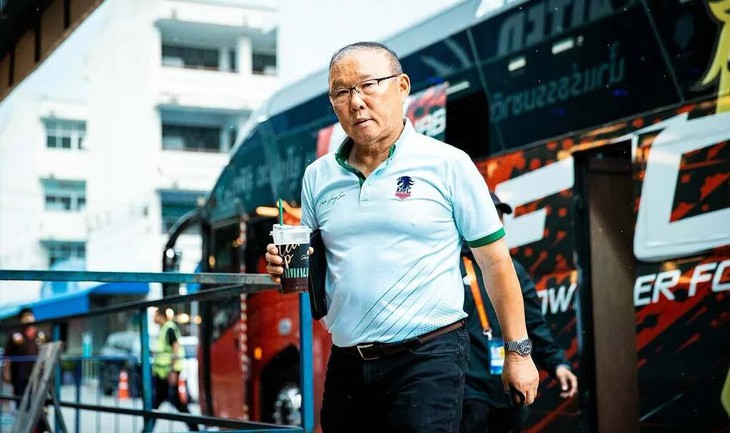
However, this high visibility has also magnified the challenges he faces on the ground. Operating in a fiercely competitive environment where every tactical decision is heavily scrutinized by local fans and media, Park has occasionally found himself caught in the crossfire of intense regional football rivalries. The recent incident highlights an ongoing, broader cultural challenge within global and regional football: stamping out the ugly remnants of racism and xenophobia that occasionally surface among vocal minorities in stadium stands.
Broader Implications for Thai Football and Regional Integrity
The unfolding investigation by the Football Association of Thailand carries significant implications for the future governance of the sport in the country. As Thailand continues to market its domestic leagues as premier destinations for international talent and coaching expertise, ensuring a safe, inclusive, and respectful environment for foreign nationals is paramount.
Sports analysts point out that how the FAT handles this high-profile case will serve as a bellwether for the league’s commitment to anti-discrimination policies. Past incidents of racial abuse in various Asian leagues have often resulted in modest club fines, drawing criticism from human rights advocates and sports ethicists who argue that more stringent deterrents—such as stadium bans, points deductions, or closed-door matches—are necessary to eradicate bigotry from the terraces.
Despite the intensity of the controversy, DJ Management reiterated that Coach Park retains a deep respect for Thai football culture and its passionate fan base. The South Korean manager reportedly harbors no ill will toward the broader sporting public of Thailand and wishes to avoid casting a permanent shadow over the nation’s domestic competition. Instead, the focus remains squarely on accountability, ensuring that the individuals responsible for crossing ethical and legal lines are properly penalized.
As the footballing world awaits the official verdict from the Football Association of Thailand’s disciplinary committee, the episode stands as a stark reminder of the responsibilities held by clubs, leagues, and managers alike. Beyond tactics, transfers, and league standings, the preservation of human dignity and the absolute rejection of racism remain the non-negotiable foundation upon which the beautiful game must be played.