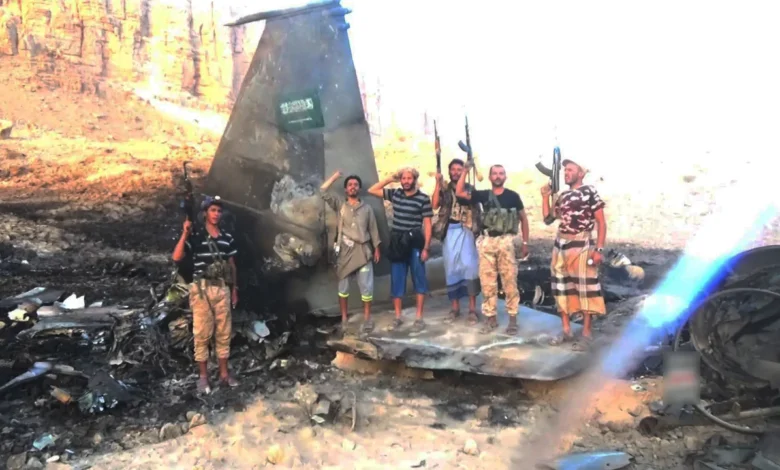
The recent downing of a Royal Saudi Air Force (RSAF) F-15SA fighter jet over the Marib province of Yemen has triggered significant international scrutiny, primarily due to the conspicuous silence surrounding the fate of the two-person flight crew. While the Houthi movement released video evidence confirming the successful engagement of the aircraft with a surface-to-air missile, the absence of information regarding the pilots has fueled a complex web of speculation, geopolitical analysis, and concern over the efficacy of combat search and rescue (CSAR) operations in one of the world’s most volatile conflict zones.
The Incident: Chronology and Tactical Context
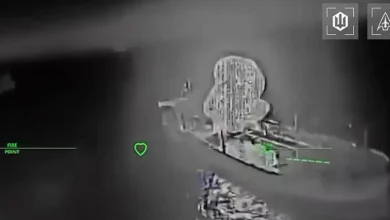
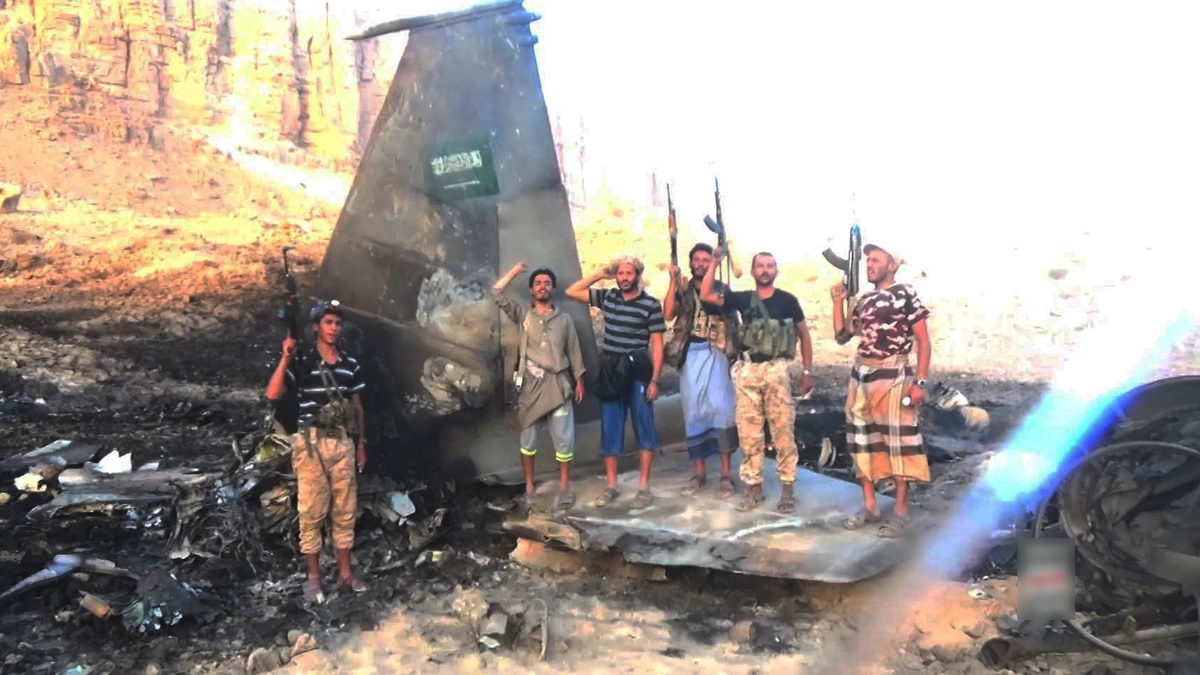
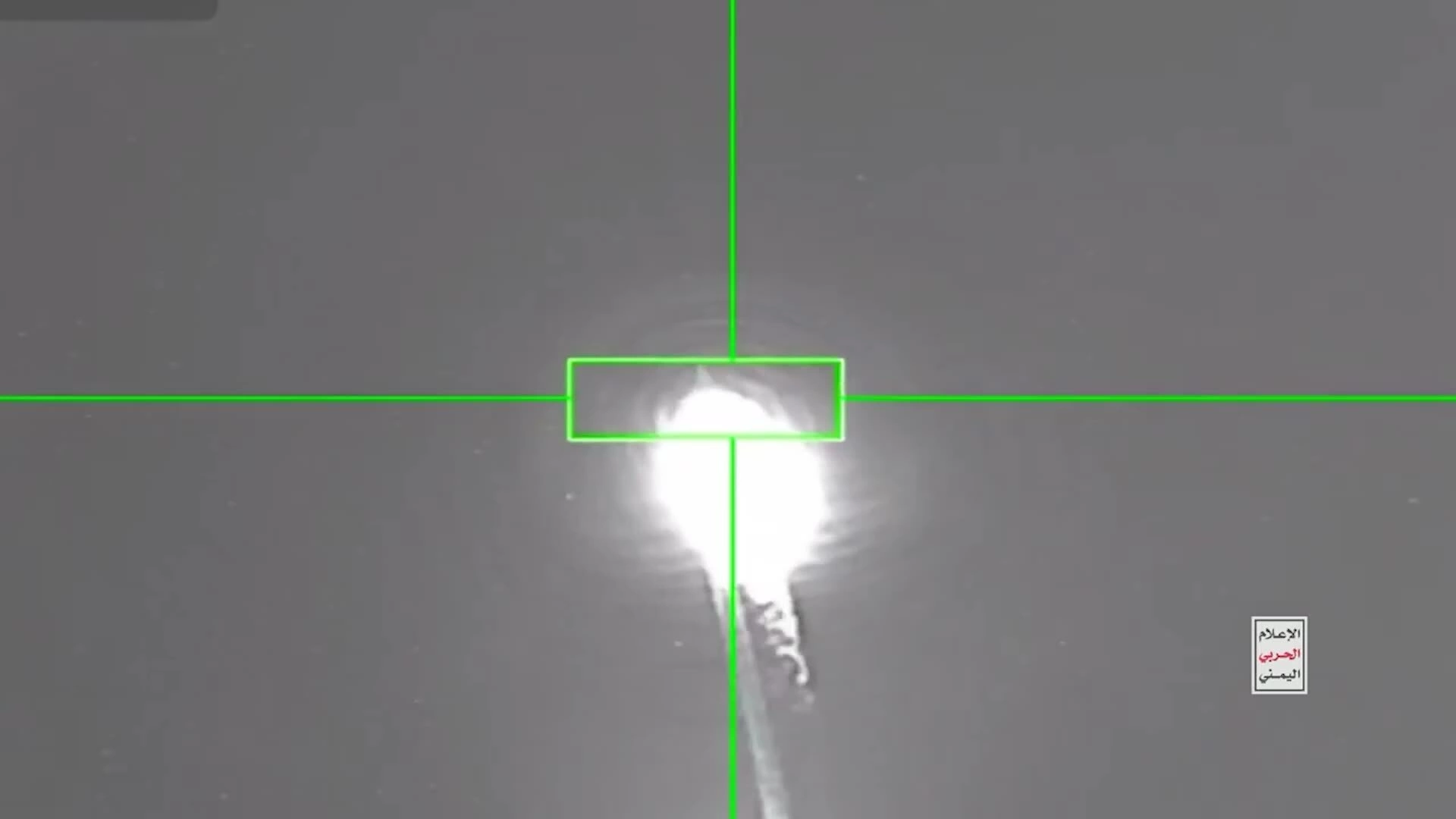
On September 16, a sophisticated F-15SA Eagle, a variant optimized for multi-role operations within the Saudi inventory, was patrolling the skies above Marib—a strategic region in Yemen that has long been a focal point of the protracted conflict between the Saudi-led coalition and Houthi insurgents. According to footage disseminated by the Houthi-affiliated Al-Masirah news outlet, the aircraft was struck by a surface-to-air projectile, causing it to ignite and subsequently plummet toward the ground.
The video footage cuts off shortly after the moment of impact. Consequently, it remains visually unconfirmed whether the ejection seats were activated or if the pilots successfully cleared the wreckage before it crashed. In the hours following the strike, the Houthi leadership claimed that their air defense units were actively targeting coalition aircraft, including F-15s and Eurofighter Typhoons, which were reportedly conducting search patterns over the crash site. These claims have added a layer of urgency to the narrative, as the presence of hostile forces in the immediate vicinity of a downed aircraft significantly complicates any potential rescue mission.
The Anatomy of an F-15SA and Survival Probabilities
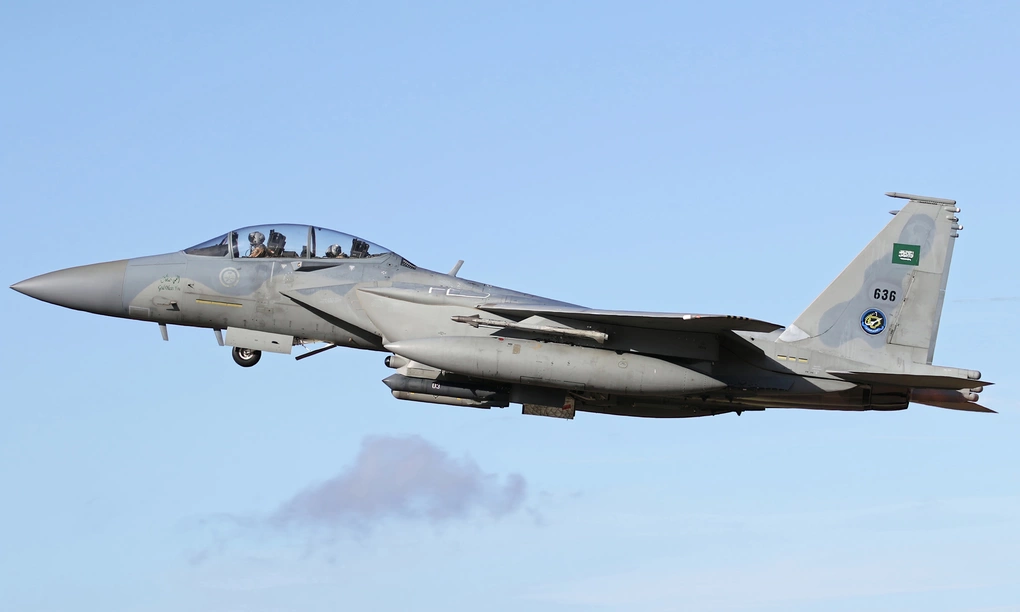
The F-15SA (Saudi Advanced) is one of the most capable variants of the F-15 Eagle platform. It features the APG-63(V)3 Active Electronically Scanned Array (AESA) radar, advanced digital electronic warfare suites, and the ability to carry a diverse array of precision-guided munitions. Despite its technological superiority, the aircraft is not immune to ground-based air defenses.
Retired Air Commodore Anil Chopra, a veteran test pilot formerly of the Indian Air Force, has analyzed the potential outcomes for the crew. According to Chopra, the survival of the aircrew depends on a narrow window of variables. "If the crew was able to activate the emergency beacon and establish contact with command and control, a covert CSAR mission would be the priority," he stated. However, he noted that the complexity of such operations cannot be overstated.
In a hypothetical successful scenario, the pilots would have ejected, activated their survival gear, and attempted to evade capture while awaiting extraction by a coalition task force. Yet, the geographical constraints of Marib—a region characterized by rugged, mountainous terrain—make clandestine extraction exceptionally difficult. Furthermore, the limited experience of the Saudi military in conducting rapid, high-stakes CSAR operations compared to powers like the United States suggests that the window for a successful recovery may have already closed.
Comparative Analysis: Historical CSAR Precedents
To understand the scale of the challenge currently facing the Saudi-led coalition, one must look at historical precedents, such as the U.S. operation to recover two F-15E pilots in April. That operation involved the mobilization of 155 aircraft, thousands of personnel, and the deployment of sensitive intelligence assets from the Central Intelligence Agency (CIA). That mission, which included 90 special operations troops and the direct intervention of six aircraft that entered Iranian airspace, remains one of the most complex in modern military history.
The U.S. mission resulted in the destruction of two MC-130J transport aircraft, valued at approximately $100 million each, and four Little Bird helicopters to prevent them from falling into hostile hands. The loss of an A-10 Thunderbolt and an MQ-9 Reaper drone during that operation underscored the extreme risks associated with recovering downed pilots in contested territory. The Saudi military, while well-equipped, lacks the sheer logistical depth and the specialized, deep-strike CSAR infrastructure required for a mission of that magnitude.
Official Silence and Geopolitical Implications
The lack of official confirmation from Riyadh is perhaps the most telling aspect of the crisis. In modern warfare, the "fog of war" is often amplified by the strategic withholding of information. The silence from the Saudi Ministry of Defense could suggest several possibilities: the coalition is attempting to maintain operational security while a rescue mission is still in progress; the pilots may have been captured and are currently being used as bargaining chips; or, tragically, the crew may have perished in the initial blast, and the coalition is delaying the announcement until remains can be secured.
Houthi forces, for their part, have not provided evidence of the capture of the two crew members. This tactical silence serves two purposes: it creates a state of psychological uncertainty for the coalition, and it preserves the "value" of the missing pilots for future negotiations. A captured pilot is a high-value asset, whereas a deceased one is merely a statistic in a long-standing war.
Technical Challenges in Ejection and Survival
There is a grim possibility that the pilots did not survive the impact. The effect of a modern surface-to-air missile is not merely to "shoot down" an aircraft, but to shred it. The impact of high-velocity shrapnel can disable the ejection seat mechanisms or cause fatal injuries to the crew before they can even initiate the egress sequence.
As noted by combat flight experts, even if a pilot successfully ejects, the survival statistics are not guaranteed. Factors such as altitude, airspeed, and the attitude of the aircraft at the time of ejection are critical. If the aircraft is in a high-speed spin or a steep dive, the forces acting on the human body during ejection can be fatal. Furthermore, if the ejection occurs over territory controlled by a hostile force, the pilot’s primary concern shifts from the physical trauma of the crash to immediate evasion and survival.
The Broader Strategic Landscape
The downing of the F-15SA marks a significant escalation in the air war over Yemen. It signals that despite years of coalition air superiority, the Houthi forces continue to refine their anti-access/area-denial (A2/AD) capabilities. The ability to track, target, and engage a high-performance aircraft like the F-15SA indicates that the Houthis may be receiving advanced technical assistance, potentially involving foreign intelligence or specialized equipment upgrades.
For the Saudi-led coalition, the incident is a sobering reminder of the limits of air power. The reliance on standoff munitions and high-altitude patrols is a direct response to the threat of man-portable air-defense systems (MANPADS) and larger, radar-guided missile batteries. However, as the Houthi air defense network becomes more integrated and responsive, the cost of maintaining control of the skies over Yemen continues to rise.
Conclusion
As the search for the missing aircrew continues, the international community remains largely in the dark. Whether the outcome results in a daring rescue or a somber confirmation of loss, the event serves as a stark testament to the ongoing dangers inherent in the Yemeni theater. The silence from Riyadh and the tactical maneuvering of the Houthi forces indicate that the geopolitical ramifications of this single downing will likely echo long after the wreckage of the F-15SA is finally accounted for.
Ultimately, the incident highlights the fundamental fragility of modern aerial warfare when pitted against an asymmetric, determined, and increasingly capable adversary. The fate of the two pilots remains a tragic, unresolved chapter in the ongoing conflict, leaving families, military analysts, and policymakers waiting for a resolution that may be days, or even weeks, in the making.