Binh Duong accelerates digital transformation and scientific innovation to maintain regional economic competitiveness

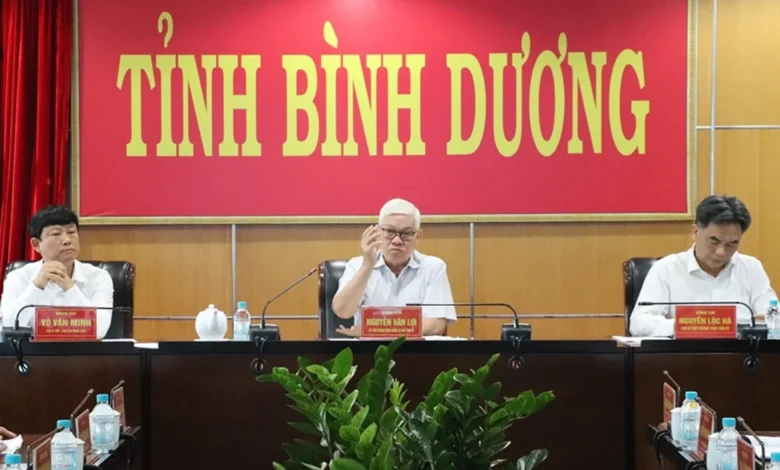
In a decisive move to secure its long-term economic prosperity and sustain its status as a leading industrial powerhouse in Vietnam, Binh Duong Province has officially initiated the implementation of Resolution No. 57-NQ/TW. This strategic directive, issued by the Politburo, serves as a comprehensive framework for accelerating science, technology, innovation, and national digital transformation. The provincial leadership, headed by Mr. Nguyen Van Loi, member of the Party Central Committee and Secretary of the Binh Duong Provincial Party Committee, emphasized that the province must move beyond traditional growth models to avoid the "middle-income trap" and declining competitiveness in an increasingly globalized market.
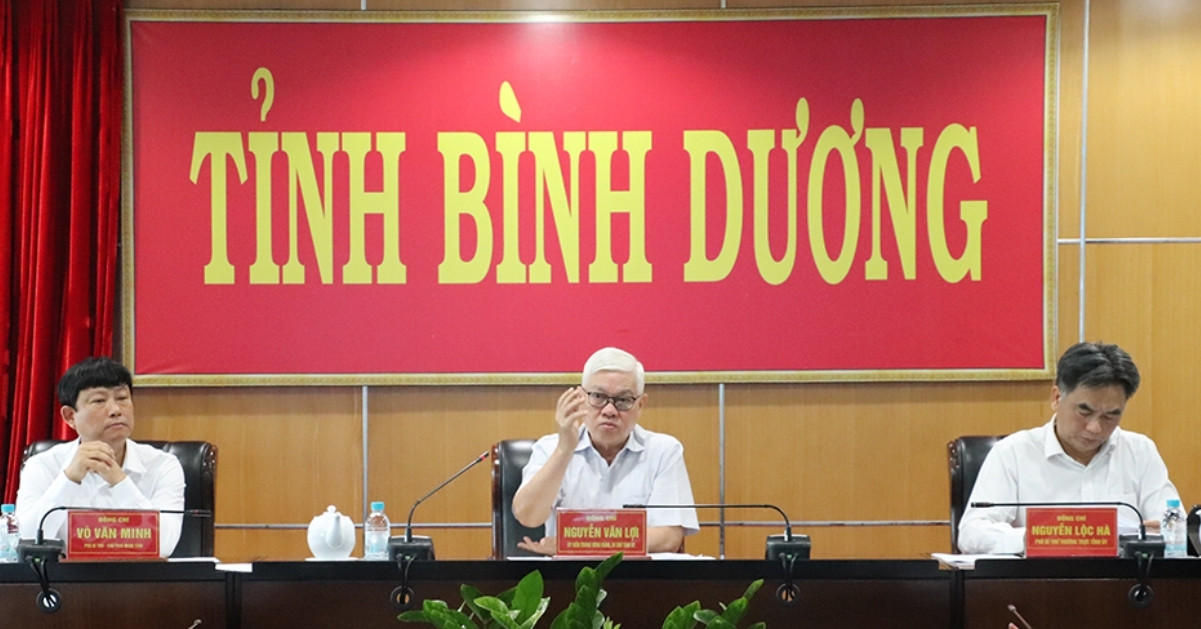
The commitment was reaffirmed during the inaugural session of the Provincial Steering Committee for Science, Technology, Innovation, and Digital Transformation, held on February 10. This body is now tasked with spearheading a systemic overhaul of how the province interacts with the private sector, manages public services, and fosters an ecosystem conducive to high-tech investment.
The Strategic Imperative of Resolution 57
Resolution 57-NQ/TW is not merely a policy document; it is a fundamental shift in the development philosophy of Vietnam’s industrial hubs. For Binh Duong, which has historically relied on labor-intensive manufacturing, the directive serves as a catalyst for a transition toward high-value-added sectors. Secretary Nguyen Van Loi noted that without a rapid pivot toward digital infrastructure and advanced technological integration, the province risks losing its competitive edge to emerging regional rivals.
To operationalize this mandate, the Provincial Party Standing Committee issued Decision No. 1830-QD/TU, establishing the Steering Committee. This entity is responsible for drafting the legal and administrative architecture required to support these changes, including the formation of a provincial-level advisory board and the deployment of specific programs to synchronize local efforts with national objectives through 2030.
A Foundation Built on Digital Excellence
Binh Duong has not entered this phase unprepared. Over the past several years, the province has cultivated a reputation as a pioneer in digital governance and smart city development. The current legislative push serves to formalize these efforts and scale them across all departments and industrial zones.
Key milestones in the province’s recent digital trajectory include:
- The 2024 Strategic Proposal: The submission to the Prime Minister for the establishment of the Binh Duong Concentrated Information Technology Park, a vital hub designed to attract tech-centric enterprises and research institutions.
- Administrative Reform Success: The province has consistently ranked at the top of national indices for administrative procedure reform, with its online public service portal now facilitating nearly 80% of all administrative tasks.
- Infrastructure Connectivity: The successful deployment of four district-level Smart Operation Centers (SOCs) that aggregate data, monitor urban traffic, and optimize public resources in real-time.
- Digital Identity and Security: The implementation of Single Sign-On (SSO) systems and advanced digital signature platforms for citizens, which have processed over 150,000 digital signatures to date, significantly reducing the bureaucratic burden on local businesses.
The Role of Data-Driven Governance
At the heart of Binh Duong’s transformation is the provincial Intelligent Operation Center (IOC). This facility acts as the "digital brain" of the region, integrating data streams from 100% of the provincial departments and agencies. By breaking down the silos that historically hindered inter-departmental communication, the IOC allows policymakers to make evidence-based decisions rather than relying on static or outdated information.
The efficiency of this system is evident in the province’s recent performance metrics. Currently, 100% of dossiers requiring information security approval have been processed and approved, ensuring that the digital transition does not come at the expense of cybersecurity. Furthermore, the seamless synchronization between the provincial IOC and district-level counterparts allows for a unified response to public concerns, from urban planning to emergency management.
Moving Toward 2030: The Action Plan
The roadmap for the next five years is centered on three primary pillars: infrastructure investment, administrative simplification, and human capital development. During the February 10 session, provincial leaders discussed the necessity of establishing a Provincial Advisory Council to bridge the gap between academic research and commercial application.
Secretary Nguyen Van Loi stressed that the province must allocate significant resources to upgrade its social and economic infrastructure. This includes not only physical roads and ports—long the backbone of Binh Duong’s economy—but also the "digital highways" necessary for an innovation-led economy. "The province must create a business environment that is not only welcoming but also highly efficient," Loi remarked. "Investment must flow toward projects that prioritize green technology, automation, and high-tech manufacturing."
Broader Implications and Economic Analysis
The shift toward an innovation-led economy is a direct response to the changing nature of global value chains. As multinational corporations seek to diversify their manufacturing bases, they are increasingly favoring regions that offer not just low costs, but high levels of technical competence and digital integration. By aligning with Resolution 57, Binh Duong is positioning itself as a destination for high-end manufacturing, potentially moving up the value chain from basic assembly to research, design, and development.
However, the transition is not without its challenges. The shift requires a workforce that is significantly more skilled than the current average. To address this, the province is looking at collaborations with universities and technical colleges to align vocational training with the needs of the emerging tech sector. Additionally, the continued success of the digital transformation relies on the willingness of local businesses—many of which are small-to-medium-sized enterprises (SMEs)—to adopt new technologies.
To facilitate this, the provincial government is planning a series of workshops and technical support initiatives designed to help SMEs integrate into the digital ecosystem. The goal is to create a symbiotic relationship where traditional industries are modernized, and new, high-tech sectors are nurtured within the same regional cluster.
A Future-Proofing Strategy
The urgency expressed by the provincial leadership is a reflection of the "middle-income trap" narrative that has dominated much of Vietnam’s economic discourse. Binh Duong’s proactive stance demonstrates a clear recognition that the developmental model of the last two decades cannot be the model for the next two.
By institutionalizing innovation through the new Steering Committee, Binh Duong is creating a permanent mechanism for change. This structure ensures that the province remains agile, allowing it to pivot in response to technological breakthroughs or global economic shifts.
As the province prepares for the second National Forum on Digital Economy and Digital Society—which it is set to host—the eyes of the nation remain on Binh Duong. The success of its current initiatives will likely serve as a blueprint for other provinces across Vietnam. The focus is clear: to remain competitive, Binh Duong must transition from being a place where goods are made, to a place where technology is created, managed, and applied to solve the complex problems of a modern, urbanizing society.
The path forward is defined by the strict execution of these new mandates. With the legal framework in place and the administrative infrastructure already showing strong performance, Binh Duong appears poised to navigate the complexities of the digital age, setting a standard for industrial development in Southeast Asia.