The start of the new academic year in Vietnam has traditionally signaled a surge in the consumer electronics and transportation markets, but in recent years, a distinct shift toward green mobility has redefined the "back-to-school" shopping list. Electric vehicles (EVs), ranging from compact electric bicycles to more robust electric motorbikes, have become the preferred choice for parents seeking to provide their children with a convenient, cost-effective, and environmentally friendly means of commuting. However, as the market becomes saturated with diverse models, varying price points, and aggressive marketing campaigns, experts warn that many parents are falling into common traps. These mistakes often lead to the acquisition of vehicles that are either illegal for the child’s age group, physically unsafe, or financially burdensome in the long term. Understanding the nuances of the electric vehicle market is no longer just a matter of budget; it is a critical safety and regulatory requirement for modern households.
The Regulatory Landscape: Understanding the Legal Distinctions
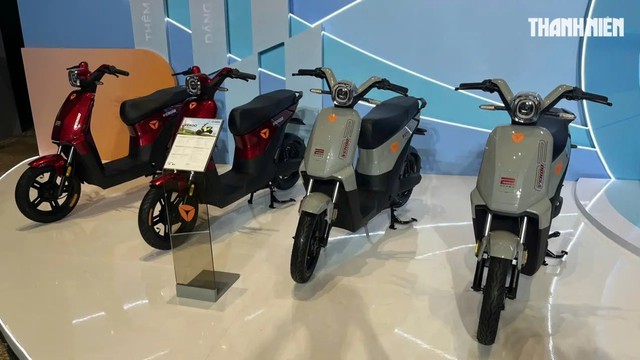
The most prevalent error among Vietnamese parents is the failure to distinguish between an electric bicycle and an electric motorbike. Under current Vietnamese road traffic laws, these are not merely descriptive terms but legal classifications with specific age requirements and operational constraints. An electric bicycle is legally defined as a vehicle equipped with pedals and an auxiliary electric motor. For a vehicle to remain in this category, the motor must automatically cut out when the rider stops pedaling or when the vehicle reaches a maximum speed of 25 kilometers per hour (km/h). Because they are classified similarly to traditional bicycles, there is no minimum age requirement for their operation, making them the only legal motorized option for students under the age of 16.
In contrast, electric motorbikes—often referred to as electric scooters—possess a design speed of up to 50 km/h and motor power ratings that do not exceed 4 kilowatts (kW). Crucially, the law mandates that operators of these vehicles must be at least 16 years old. Furthermore, electric motorbikes must be registered with the local police department and fitted with a license plate. Parents who purchase these high-powered models for middle school students or younger high schoolers are unknowingly placing their children in a position of legal liability. If a student under 16 is caught operating an electric motorbike, the vehicle can be impounded, and the parents may face administrative fines. Beyond the legalities, the increased speed and weight of these vehicles pose a significant safety risk to younger adolescents who may lack the physical strength or reactionary experience to handle a heavier machine at higher velocities.
The Myth of High Power and Maximum Speed
A second common mistake is the "future-proofing" fallacy, where parents opt for the most powerful model available, assuming it will serve the child longer as they grow. While the desire for a durable, long-term investment is understandable, prioritizing high power and top speed is often counterproductive for student safety. A vehicle that is too heavy or possesses a sensitive throttle can be difficult for a teenager to control, especially in the dense, chaotic traffic conditions typical of major urban centers like Hanoi or Ho Chi Minh City.
Experts in vehicle ergonomics suggest that parents must evaluate a vehicle based on the child’s current physical stature. A student should be able to sit comfortably on the saddle with both feet firmly on the ground. They must also be able to maneuver the vehicle manually—such as pushing it into a parking spot or turning it around in a tight space—without straining. A vehicle that is too heavy increases the risk of "tip-over" accidents, which can lead to fractures or other injuries. Additionally, high-torque electric motors can accelerate rapidly; for an inexperienced rider, a sudden jerk of the throttle can lead to a loss of control. Safety features, such as integrated speed limiters, high-quality braking systems (preferably disc brakes), and high-visibility LED lighting, should take precedence over raw power or aesthetic appeal.
Deconstructing Range Specifications and Real-World Performance
One of the most significant points of confusion in the EV market involves the "range per charge" advertised by manufacturers. It is a common mistake for parents to take these figures at face value without considering the variables that affect battery performance. Manufacturers typically conduct range tests under idealized conditions: a flat road, a constant moderate speed, no wind resistance, and a rider weighing approximately 50 to 60 kilograms.
In reality, the range of an electric bicycle or motorbike is highly sensitive to several factors. First is the payload; a student carrying a heavy backpack or occasionally giving a classmate a ride will consume battery power much faster. Second is the terrain; frequent stops and starts in city traffic, as well as navigating inclines or bridges, significantly drain the energy reserves. Third is the environmental factor; extreme heat or cold can affect the chemical efficiency of the battery.
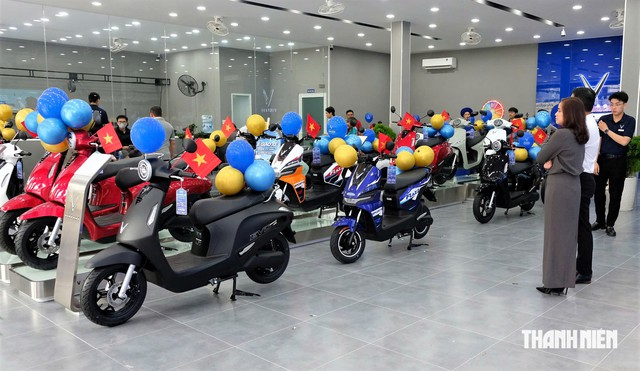
To avoid the "range anxiety" that comes with a dead battery halfway to school, parents are advised to calculate their child’s total daily mileage—including trips to school, extra classes, and social activities—and then look for a vehicle with an advertised range that is at least 30% to 50% higher than that requirement. This buffer ensures that the vehicle remains functional even as the battery naturally degrades over time or when unexpected detours are necessary. Furthermore, parents must consider the charging infrastructure. Does the family live in an apartment complex with accessible charging ports? Is the battery removable for indoor charging? These logistical questions are just as important as the range itself.
The False Economy of Low Initial Purchase Prices
The fourth major pitfall is focusing exclusively on the initial sticker price while ignoring the total cost of ownership and safety standards. The market is currently flooded with low-cost, unbranded, or "gray market" electric vehicles that lack rigorous quality control. While these models may look identical to premium versions, the internal components—most importantly the battery and the charging system—are often of inferior quality.
In the world of electric vehicles, the battery is the single most expensive and critical component. Most budget models utilize lead-acid batteries (acquy), which are heavy, have a short lifespan (typically 1 to 2 years), and offer lower energy density. Premium models utilize Lithium-ion batteries, which are lighter, charge faster, and can last for 4 to 5 years. A parent who saves $200 on the initial purchase of a lead-acid model may find themselves spending $100 every year on battery replacements, eventually exceeding the cost of a high-quality Lithium-ion vehicle.
More importantly, the safety of the charging system cannot be overstated. Recent years have seen a rise in fire incidents related to substandard EV batteries and chargers. High-quality vehicles come with Battery Management Systems (BMS) that prevent overcharging, overheating, and short-circuiting. Unbranded chargers or modified battery packs are a major fire hazard, particularly when charged overnight in residential areas. Parents are urged to purchase vehicles from reputable manufacturers with established warranty programs and accessible service centers. The availability of genuine spare parts is another crucial consideration; a cheap bike becomes a total loss if a specialized controller or motor component fails and cannot be replaced.
Chronology of the Electric Vehicle Transition in Schools
The shift toward electric mobility for students has not happened in a vacuum. Over the past decade, a clear timeline of events has shaped the current market:
- 2013-2016: The initial boom of electric bicycles in Vietnam, largely dominated by imported Chinese models. Regulation was sparse, and most vehicles were treated as toys.
- 2017: The Ministry of Transport began enforcing stricter registration requirements for electric motorbikes, requiring license plates and proof of ownership.
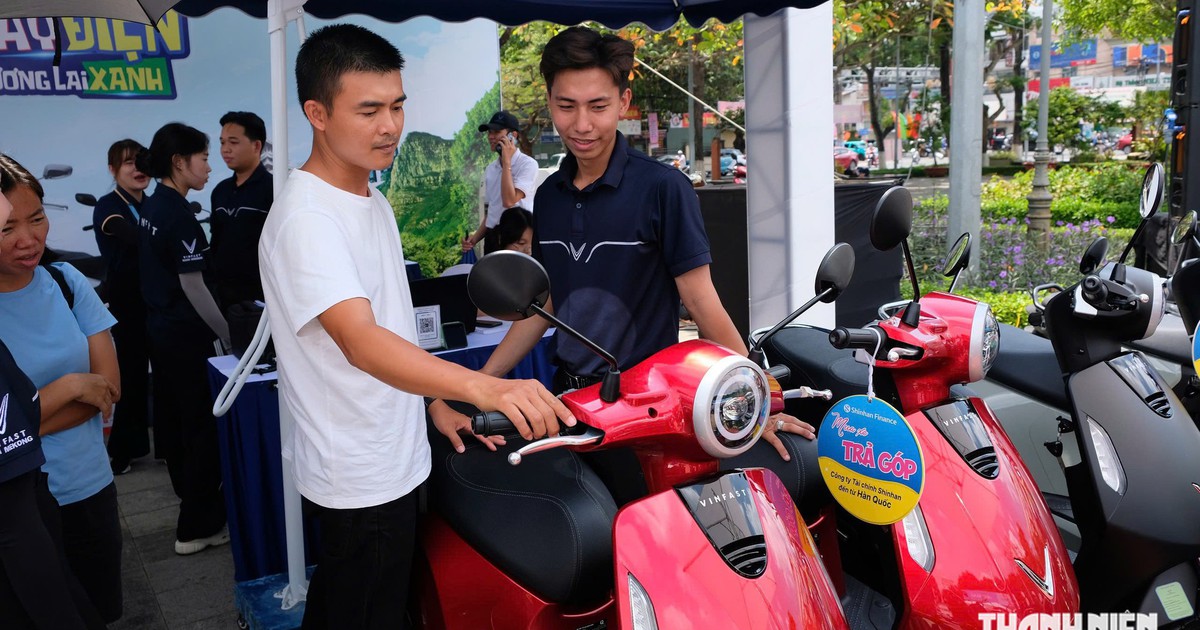
- 2019-2021: Major domestic players, most notably VinFast, entered the market, raising the standards for build quality and after-sales service. This period also saw the introduction of more sophisticated Lithium-ion technology.
- 2022-2023: Global spikes in gasoline prices led to a record-breaking demand for electric vehicles. Schools began installing dedicated charging stations in parking lots to accommodate the influx.
- 2024: Current trends show a move toward "smart" EVs, featuring GPS tracking and remote speed monitoring, allowing parents to keep a digital eye on their children’s safety.
Broader Implications and Expert Recommendations
The decisions made by parents today have implications that extend beyond individual convenience. From a public health perspective, the widespread adoption of EVs significantly reduces noise and air pollution around school zones, contributing to a better learning environment. However, this transition must be accompanied by increased traffic safety education.
Traffic safety experts emphasize that regardless of the vehicle’s power, the "human factor" remains the most critical variable. Authorities recommend that parents not only choose the right vehicle but also invest in a high-quality helmet that meets national safety standards (QCVN 2). Furthermore, students should be given supervised "driving lessons" in quiet areas before they are allowed to navigate public roads. Parents should also strictly forbid any modifications to the vehicle’s speed controller—a common practice among teenagers looking to "unlock" higher speeds, which compromises the vehicle’s structural integrity and braking capability.
As Vietnam continues its green energy transition, the role of electric vehicles in student transportation will only grow. By avoiding these four common mistakes—legal confusion, over-prioritizing power, trusting idealized range figures, and falling for low-price traps—parents can ensure that this transition is safe, sustainable, and truly beneficial for the next generation. The goal of student transport is not merely speed or style; it is the consistent, safe arrival of the student at their destination, and that begins with an informed purchase.