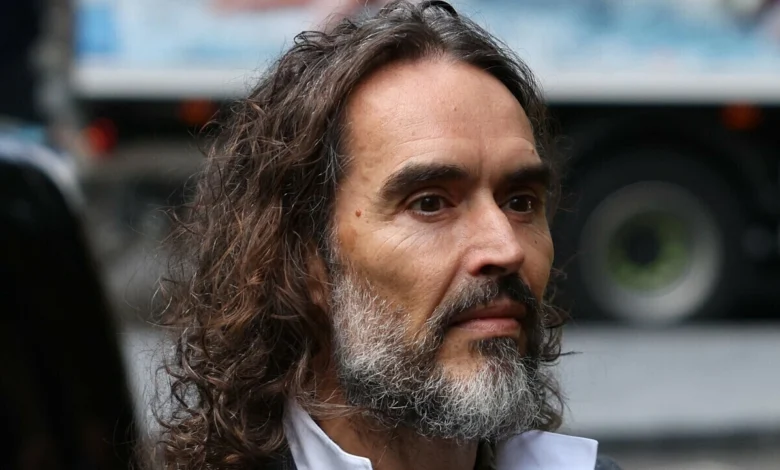
London — The British entertainment industry was rocked on November 9 as Russell Brand, the high-profile comedian and former television presenter, was sentenced to 10 years and six months in prison. The sentencing, handed down by Judge Bennathan at Southwark Crown Court, marks the culmination of a protracted legal battle that has stripped away the veneer of celebrity surrounding one of Britain’s most polarizing figures. Brand, aged 51, was found guilty of one count of rape and three counts of sexual assault, crimes that spanned a decade of his career.
The Sentencing and Legal Breakdown
The court proceedings on November 9 concluded a swift trial process that began following Brand’s initial conviction on November 5. Judge Bennathan, in his formal remarks, sentenced the actor to nine years for the rape conviction and an additional 18 months for the three counts of sexual assault. Under the current sentencing guidelines in the United Kingdom, Brand is expected to serve at least two-thirds of his sentence behind bars—approximately seven years—before he becomes eligible for release on license.
Even upon potential release, the court has mandated strict monitoring conditions. Brand is required to register as a sex offender for an indefinite period, a measure designed to provide law enforcement with ongoing oversight of his activities. Currently, he is being held at HMP Wandsworth, where he has been detained since his conviction. Observers at the courthouse noted that Brand remained largely stoic during the sentencing, uttering only a brief goodbye to his wife, Laura Brand, before being led away by security personnel.
Chronology of the Allegations and Trial
The charges against Brand were the result of a rigorous investigation into his conduct between 1999 and 2009. The legal journey reached a breaking point in September 2023, when a joint investigation by The Sunday Times and the Channel 4 documentary program Dispatches brought forth testimonies from multiple women alleging sexual misconduct.
The trial itself, which began in late 2026, saw Brand initially facing seven charges, including three counts of rape, three counts of sexual assault, and one count of assault with intent to commit a sexual offense. However, the jury delivered a nuanced verdict:
- Acquittals: The jury found Brand not guilty of a 1999 rape charge in Bournemouth, a 2004 rape charge involving an MTV employee, and a 2001 charge of assault with intent to commit a sexual offense.
- Convictions: The prosecution successfully secured convictions on the remaining charges, proving that Brand had utilized his status and influence to target vulnerable women over a ten-year span.
Throughout the pre-trial hearings, Brand had maintained a plea of not guilty to all charges, consistently arguing that his past relationships were consensual. His defense team attempted to frame the accusations as a retrospective moral judgment on a lifestyle that, while hedonistic, did not cross legal boundaries. The jury’s decision, however, signaled a decisive rejection of that narrative.
Judicial Critique and the "Predatory" Characterization
In his sentencing remarks, Judge Bennathan was scathing in his assessment of the defendant’s behavior. The judge explicitly labeled Brand a "sexual predator," condemning the actor for his "contemptuous and arrogant" attitude toward the women who rejected him.
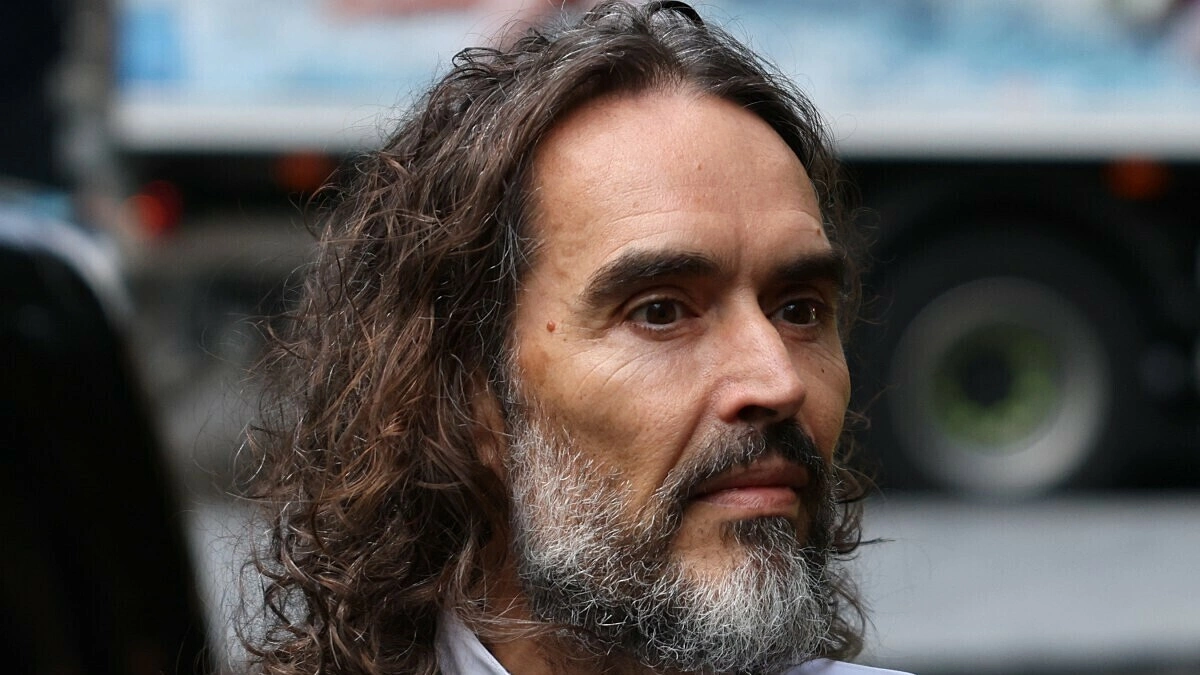
The court underscored that Brand’s fame in the entertainment industry appeared to have fostered a belief that he was above the social and legal contracts that govern ordinary citizens. The judge noted that Brand operated under the assumption that his celebrity status granted him the liberty to act on his impulses without restraint or consequence. This judicial stance highlights a shifting cultural and legal climate in the UK, where the "celebrity exception"—the idea that high-profile individuals operate with a degree of impunity—is increasingly being dismantled by the judiciary.
The Broader Investigation and Ongoing Inquiries
The legal troubles for Russell Brand may not conclude with this sentencing. London’s Metropolitan Police have confirmed that they are continuing to investigate other allegations of sexual assault that have surfaced since the initial reporting in 2023. These additional claims have not yet reached the stage of formal charges, but officials have indicated that the investigation is active and ongoing.
In a statement to Reuters on November 6, the lead investigator on the case remarked, "We are not surprised if more individuals come forward." This sentiment suggests that the current convictions may represent only a portion of a broader pattern of behavior. The ripple effect of these revelations has forced a re-examination of the culture within the British media landscape of the early 2000s, an era when Brand was a ubiquitous presence on programs such as Big Brother and major award shows like the Brit Awards and the MTV Video Music Awards.
Industry Impact and Societal Implications
The fall of Russell Brand serves as a significant case study in the power dynamics of the entertainment industry. During the early 2000s, Brand was at the height of his influence, holding a position as one of the UK’s most bankable comedy stars. His transition from a stand-up comedian to a household name was facilitated by major media networks that, in hindsight, are now being questioned for their lack of oversight.
The implications for the media industry are twofold:
- Accountability: The success of the prosecution, despite the high profile of the defendant, reinforces the principle that professional status does not insulate an individual from the criminal justice system.
- Due Diligence: Broadcasters and production companies are now under increased pressure to implement stricter vetting and HR protocols to ensure that talent with histories of abusive behavior are not provided with platforms or protected by corporate interests.
Furthermore, the verdict has resonated deeply with advocacy groups for victims of sexual violence. For many, the sentence provides a measure of justice that has been long overdue. It also serves as a warning to other public figures that the statute of limitations, both legal and social, is becoming less of a shield against historical grievances.
Conclusion: A Legacy Re-evaluated
Russell Brand’s trajectory—from a celebrated voice in British comedy and social commentary to a convicted sex offender—is a stark reminder of the complexities of fame and power. His career, which earned him prestigious accolades including the British Comedy Award for Best Newcomer in 2006 and a reputation for being an outspoken, if provocative, intellectual, is now irrevocably tainted.
As Brand begins his decade-long sentence, the focus shifts to the survivors who stepped forward to testify. Their courage in navigating a high-stakes legal environment has not only led to this specific conviction but has contributed to a national conversation about consent, power, and the responsibility of the media to protect those within its sphere of influence. The legal proceedings in Southwark have effectively closed a chapter on Brand’s career, leaving behind a legacy that will henceforth be defined by his crimes rather than his comedy.