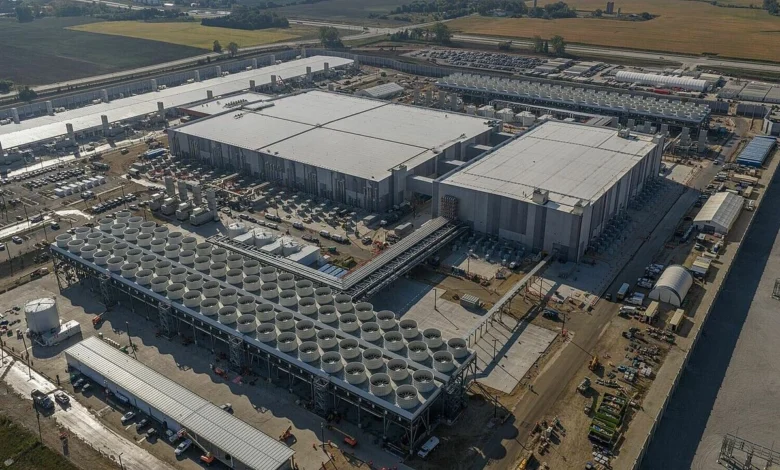
The rapid expansion of artificial intelligence infrastructure has created a lucrative new target for sophisticated criminal organizations: the high-value supply chain of data center hardware. Over the past several months, coordinated heist groups have systematically infiltrated the logistics networks of technology companies, hijacking shipments of critical components essential for building the backbone of the AI revolution. According to reports from industry analysts and law enforcement, these thefts have resulted in the loss of more than 100 million USD in cargo since June, marking a concerning escalation in both the frequency and complexity of supply chain attacks targeting the technology sector.
The Anatomy of the Data Center Heist
The methodology employed by these criminal syndicates is far from the stereotypical smash-and-grab. Instead, these operations are characterized by meticulous planning, social engineering, and the exploitation of digital vulnerabilities within the logistics industry.
The typical attack vector begins with the compromise of accounts belonging to legitimate freight brokers who operate on public logistics platforms. By seizing these credentials, criminals gain access to real-time information regarding high-value shipments. Once inside, they post fraudulent "loads"—essentially fake job postings—to entice legitimate trucking companies. When a carrier responds, the criminals initiate a sophisticated phishing campaign, sending links embedded with malware. Once a driver or dispatcher clicks these links, the malware is deployed, granting the attackers total control over the victim’s accounts. This allows them to monitor, redirect, or outright steal the freight under the guise of legitimate transportation.
In other instances, these groups employ "phantom drivers" using forged identification. By presenting falsified documents, these individuals are entrusted with shipments of high-value hardware, only to disappear once the cargo is in their possession. In more violent cases, some criminal rings have been known to stage accidents or forcibly intercept trucks, disabling electronic tracking devices to mask their movements before offloading the cargo.
A Timeline of Escalating Logistics Crime
The surge in these thefts mirrors the explosive growth of the AI industry. As tech giants like Microsoft, Amazon, Google, and Meta continue to pour billions into data center construction, the demand for specialized components—ranging from high-end GPUs and fiber optic cables to custom modular power equipment—has reached an all-time high.
Recent notable incidents highlight the scale of the crisis:
- June 2025: A massive theft occurred in Illinois, where criminals seized cargo valued at 300,000 USD in specialized copper wiring, alongside one million USD worth of modular power distribution units specifically designed for high-density data centers.
- June 2025: A separate string of heists near the Mojave Desert resulted in the loss of 10 million USD worth of components intended for server assembly, which were intercepted while in transit to Texas.
- July 2025: In a brazen daytime heist in Reno, Nevada, a truckload containing high-end chips and Apple products valued at 15 million USD was hijacked, further demonstrating the vulnerability of tech-heavy shipments.
While the primary objective of these groups is the high-value AI hardware, investigators from the Los Angeles County Sheriff’s Department have noted that, in some cases, the stolen shipments contain a chaotic mix of goods—ranging from consumer electronics and printers to mundane office supplies—suggesting that the thieves are sometimes operating on opportunistic intelligence rather than exclusively targeting specific hardware.
The Economic and Operational Impact
The ripple effects of these thefts extend far beyond the direct financial loss of the equipment. For the companies involved, the loss of specialized AI components can lead to significant delays in data center commissioning. In the hyper-competitive race for AI dominance, even a two-week delay in bringing a server cluster online can have massive financial implications, affecting model training timelines and service availability for end-users.
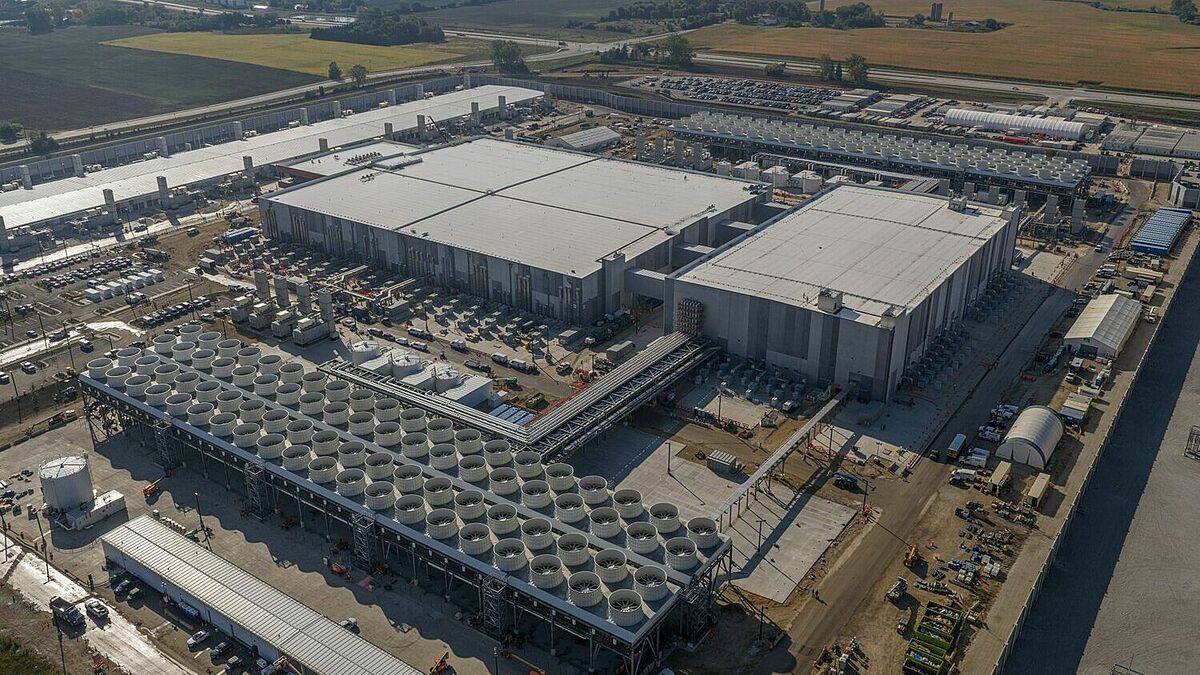
Furthermore, the theft of proprietary hardware poses a significant security risk. While the equipment is often intended for resale on the secondary market, the potential for intellectual property theft or the compromising of hardware integrity during the transit period is a major concern for tech firms. Insurance premiums for high-value tech logistics have begun to climb as underwriters account for the heightened risk of sophisticated hijacking.
Industry Response and Countermeasures
The logistics and technology sectors are now engaged in a "cat-and-mouse" game with these criminal organizations. Industry leaders are pivoting toward more robust verification systems to combat the prevalence of digital fraud.
David Warrick, Executive Vice President of Operations at Overhaul, a leading supply chain risk management firm, explains that the industry is undergoing a paradigm shift. "We are in a race," Warrick stated. "We have to continue to evolve, not just in terms of technology, but in our defensive posture."
Overhaul is currently integrating advanced generative AI into its tracking systems to identify anomalies in transit patterns and flag suspicious account activity in real-time. The company currently monitors approximately 30,000 data points daily and is working to add 250,000 more to its AI-driven monitoring system each month. The goal is to move beyond static, reactive security and toward predictive analytics that can detect the precursors of a heist before the cargo even leaves the loading dock.
Furthermore, shipping companies are tightening their vetting processes for independent contractors. Many are now mandating multi-factor authentication for all digital document exchanges and implementing physical security measures, such as redundant GPS tracking and remote-kill switches for vehicle ignitions, to prevent trucks from being driven off-route by unauthorized personnel.
The Future of Secure Logistics
As AI continues to reshape the global economy, the physical infrastructure supporting it has become a new frontier for organized crime. The shift from "traditional" cargo theft to high-tech, data-centric hijacking reflects the changing value of goods in the digital age.
Law enforcement agencies, including the FBI and various local task forces, are increasingly coordinating with tech corporations to map the networks of these criminal syndicates. However, the decentralized nature of the logistics industry—which relies on a vast network of independent freight brokers, third-party logistics (3PL) providers, and regional carriers—makes the environment inherently difficult to secure.
The implication is clear: until the logistics industry can close the digital loopholes that allow for credential theft and document forgery, the physical hardware that powers the world’s most advanced artificial intelligence will remain a prime target. For now, the "AI gold rush" is accompanied by a shadow economy, one that continues to challenge the security protocols of the most sophisticated companies on the planet. As the sector matures, it is likely that hardware tracking will become as standardized as cloud security, forcing criminals to find new, even more difficult vulnerabilities to exploit, or eventually pushing them out of the high-value cargo space entirely.
Related posts: