Vietnam and Australia Forge High-Tech Agricultural Partnership to Revolutionize Mekong Delta Farming Through AI, Satellites, and Robotics

Ho Chi Minh City — In a landmark display of international academic and economic cooperation, Vietnamese and Australian institutions have united to introduce cutting-edge agricultural technologies directly to the muddy fields of Vietnam’s Mekong Delta. Driven by the urgent need to combat the compounding pressures of climate change, soil degradation, and evolving global food security demands, universities and private enterprises from both nations are deploying artificial intelligence, satellite monitoring systems, and autonomous robotics to redefine modern farming practices.
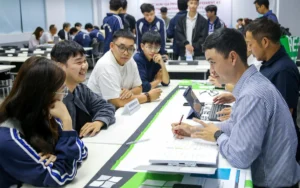
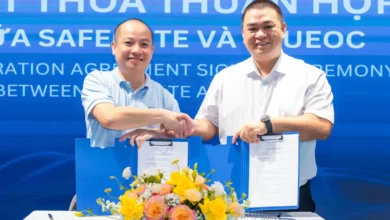
This cooperative vision took center stage during the international symposium titled "Innovation in the Food Industry towards Increasing Value Chain Supply," held on November 11 at the Nong Lam University in Ho Chi Minh City. The event formed a vital component of the broader 6th Australia-Vietnam Sustainable Agriculture and Environment Conference (SAE 2026), themed "Creative Innovation in Sustainable Agri-Food Systems." Running from November 10 to November 14, 2026, the conference has convened over 320 delegates presenting 248 scientific papers, emphasizing the transition from theoretical research to practical, ground-level implementation.
Bridging the Gap Between Laboratories and Farmlands
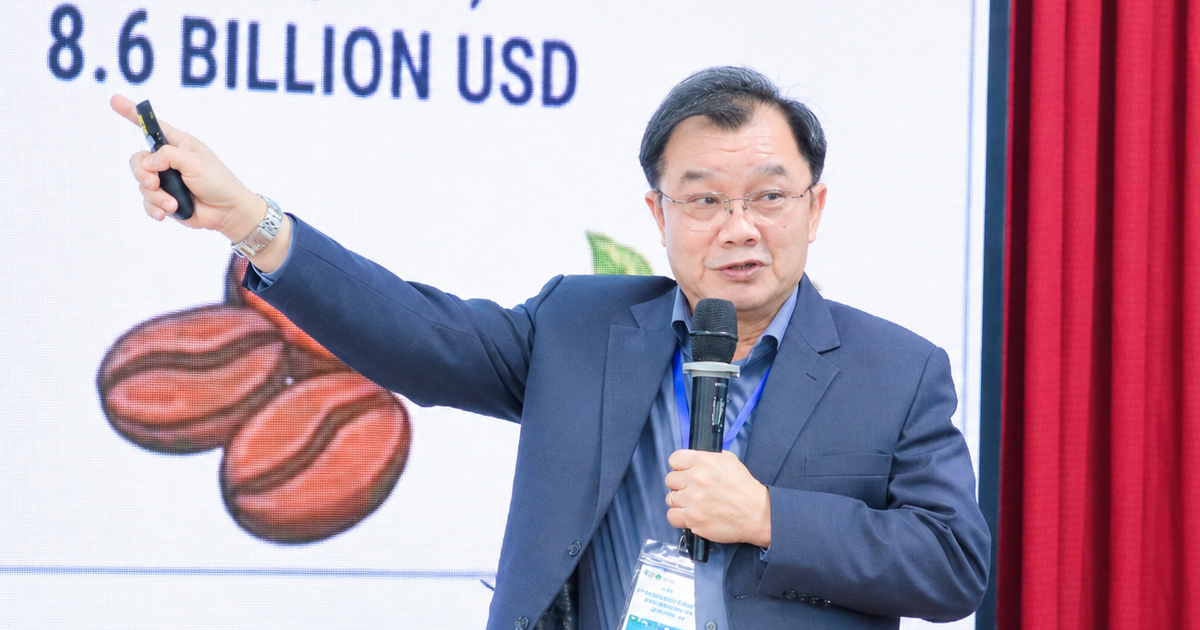
Opening the discourse, Associate Professor Dr. Phan Tai Huan, Vice President of Nong Lam University, stressed that Vietnam’s resolute shift toward green and sustainable agricultural growth requires a decisive departure from traditional academic isolation. In an era defined by environmental volatility, scientific inquiry can no longer remain confined to the pages of academic journals or controlled laboratory settings.
"Scientific research must transcend the confines of the laboratory to deliver scalable technologies, high-value products, and direct economic benefits to society," Dr. Huan asserted during his keynote address. His sentiment captures the core philosophy guiding the collaborative initiatives between Vietnamese researchers and their international counterparts: technology must be accessible, practical, and directly transformative for smallholder farmers.
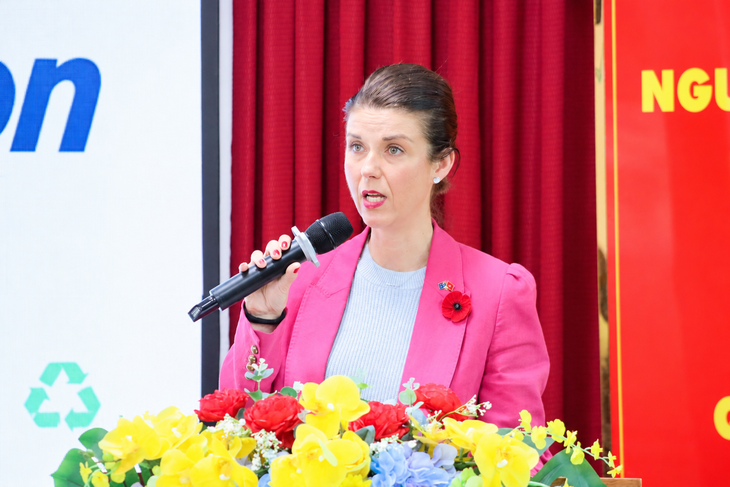
This sentiment was reinforced by Victoria Warden, Acting Senior Trade and Investment Commissioner and Consul General of Australia in Ho Chi Minh City. Addressing the assembled delegates, Warden highlighted that the future of agriculture relies less on maximizing raw production volumes and more on enhancing quality, resource efficiency, and long-term environmental sustainability.
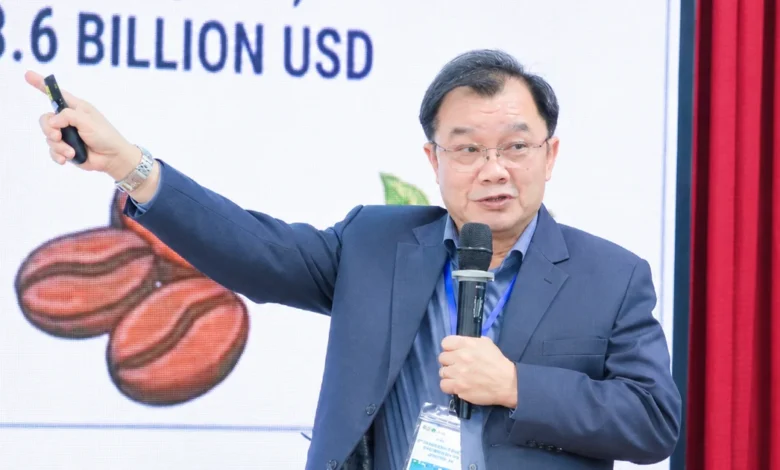
Warden shared compelling economic indicators that underscore the strength of the bilateral trade relationship. Vietnam’s food processing sector achieved an estimated valuation of approximately $88 billion in 2025, marking an impressive annual growth rate of 11 percent. Furthermore, during the first eight months of 2026, Vietnam solidified its position as Australia’s eighth-largest source of imported agricultural and food products. According to Warden, Vietnam’s abundant raw material supplies, when combined with Australia’s advanced food science and post-harvest preservation technologies, establish an unprecedented foundation for mutual economic growth and regional food security.

Deploying Space-Age Technology to the Mekong Delta
To address the immediate operational challenges faced by rural farmers, academic leaders such as Professor Ren Yi, Deputy Vice-Chancellor of the University of Southern Queensland in Australia, detailed the ongoing projects spearheaded by the Vietnam-Australia Sustainable Agriculture Network (VASAN). Through strategic partnerships—most notably with the Vietnam National Space Center (VNSC)—the University of Southern Queensland is integrating high-resolution satellite imagery, unmanned aerial vehicle (UAV) data, and machine learning algorithms to assist smallholders across vulnerable agricultural provinces like An Giang and Dong Thap.
These advanced monitoring tools provide farmers with real-time analytics regarding crop health, water resource availability, and pest proliferation. By leveraging predictive models, smallholders can optimize fertilizer application, reduce water waste, and make informed decisions regarding harvest timing.
In addition to VASAN’s localized projects, the broader DE-RISK Southeast Asia initiative is actively deploying climate risk mitigation solutions across the Mekong River basin. Because the Mekong Delta is acutely vulnerable to saline intrusion, unseasonal rainfall, and severe droughts driven by global climate patterns, these predictive climate tools empower farming communities to proactively manage natural disaster risks rather than reacting after disaster strikes. By shifting from reactive disaster management to proactive adaptation, regional farmers can safeguard their yields and secure their livelihoods against increasingly unpredictable weather phenomena.
Autonomous Robotics and Precision Agriculture
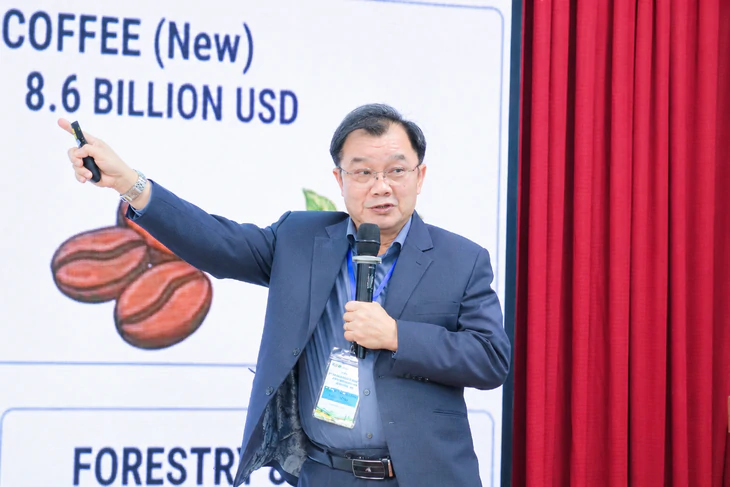
Expanding upon the technological toolkit available to modern farmers, Dr. Nguyen Hoang Thien from the Faculty of Engineering at the University of Sydney introduced a fleet of autonomous agricultural robots designed to operate directly within crop fields. These sophisticated machines are engineered to perform complex, labor-intensive tasks with pinpoint precision.
Equipped with advanced multi-spectral cameras and chemical sensors, the autonomous robots can analyze soil nutrient compositions in real-time right at the site of sampling. Furthermore, they utilize non-invasive radio-wave sensors to measure subsurface moisture levels accurately. This localized data collection enables farmers to forecast crop yields with high precision while drastically reducing operational expenditures—a vital economic benefit for agricultural communities operating on thin profit margins in the Mekong Delta.
"The integration of advanced technology into everyday agricultural production lays the foundational groundwork for building a smart, resilient, and sustainable agricultural sector in Vietnam," Dr. Thien explained. As farming landscapes face mounting pressures from shifting weather patterns and labor shortages, the adoption of robotics represents a necessary evolution rather than a luxury.
The Broader Context: Climate Resilience and Food Security
The collaboration between Vietnam and Australia arrives at a critical juncture for Southeast Asia’s agricultural sector. The Mekong Delta, often referred to as Vietnam’s rice bowl, produces a significant percentage of the nation’s rice, fruit, and aquaculture exports. However, the region is ground zero for the impacts of climate change. Rising sea levels, upstream dam construction, changing monsoon cycles, and severe land subsidence threaten the long-term viability of traditional farming practices.
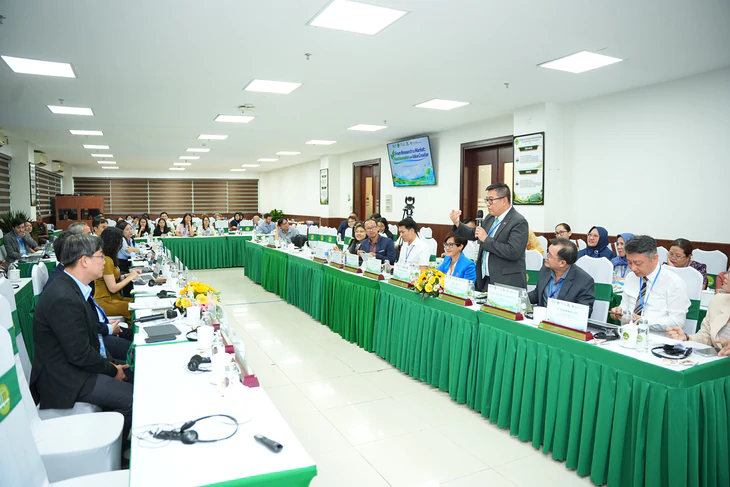
Recognizing these systemic threats, the SAE 2026 conference focused heavily on interdisciplinary solutions. Co-organized by Nong Lam University, the University of Southern Queensland, VASAN, and the Australian Trade and Investment Commission (Austrade), the five-day event served as a melting pot for agronomists, engineers, economists, and policymakers.
Discussions throughout the conference underscored the necessity of public-private partnerships. While academic institutions develop the underlying algorithms, robotics, and satellite telemetry, commercial enterprises play a crucial role in scaling these innovations and bringing them to market at an affordable price point for everyday farmers. The participation of trade representatives like Austrade signals strong governmental backing for commercializing these bilateral research initiatives.
Implications for the Regional Supply Chain
The integration of artificial intelligence, satellite observation, and autonomous machinery into Vietnamese agriculture carries profound implications for global supply chain resilience. As importing nations—including Australia, the European Union, and North America—implement stricter environmental, traceability, and sustainability standards for food imports, digital agriculture offers a clear pathway to compliance.
Satellite data and AI-driven record-keeping systems can provide verifiable proof of sustainable farming practices, ensuring that Vietnamese agricultural exports maintain a competitive edge in premium international markets. Furthermore, by minimizing post-harvest losses through advanced food science and supply chain logistics, Vietnam can increase the overall value captured by its agricultural sector without needing to expand land use or increase chemical inputs.
As the SAE 2026 conference concludes its sessions, the partnership between Vietnam and Australia stands as a model for South-North and regional scientific cooperation. By marrying Australia’s technological expertise with Vietnam’s agricultural dynamism and rich natural resources, both nations are demonstrating that the future of farming is not just about growing more food, but about farming smarter, cleaner, and more sustainably for generations to come.