Kiểm tra tuyến cao tốc 43.700 tỷ đồng, sở hữu hai hầm xuyên núi dài tổng cộng 5,75km, Phó Thủ tướng chỉ đạo nhà thầu thực hiện nghiêm nghĩa vụ bảo hành 5 năm sau khi hoàn thành

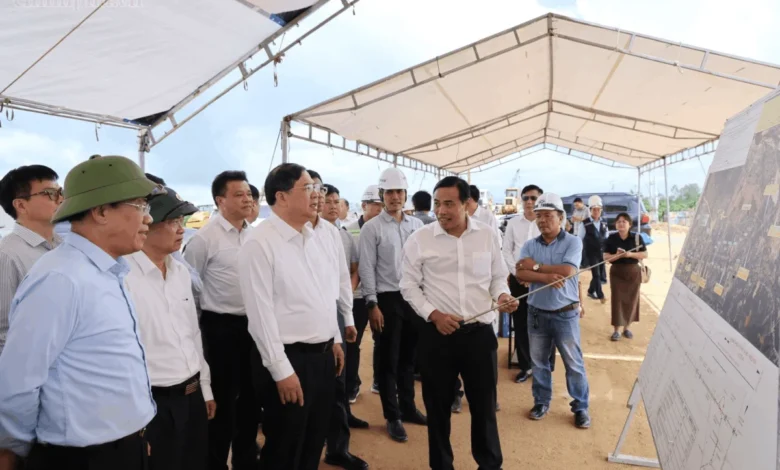
The construction of the Quy Nhon-Pleiku expressway, a monumental infrastructure project designed to bridge the gap between the coastal plains of Binh Dinh and the Central Highlands of Gia Lai, has reached a critical phase. On November 7, Deputy Prime Minister Permanent Pham Gia Tuc conducted a comprehensive site inspection to evaluate the progress of this strategic transport corridor, which is set to become a vital artery for regional economic integration. Spanning 125 kilometers, the expressway is envisioned as a backbone for the socioeconomic development of Vietnam’s central region, facilitating smoother logistics and connectivity between the deep-water ports of the coast and the resource-rich highlands.
Project Overview and Strategic Importance
The Quy Nhon-Pleiku expressway represents one of the most ambitious infrastructure undertakings in the country, with a total investment capital of approximately 43.734 trillion VND. The project is strategically designed to start at National Highway 19B, in the immediate vicinity of Phu Cat Airport, and terminate at an intersection with the Ho Chi Minh Road in the Pleiku area.
The primary objective of this expressway is to alleviate the heavy traffic pressure on existing national routes, specifically National Highway 19, which currently serves as the primary, albeit overloaded, link between these two regions. By providing a high-speed, modern transport route, the project is expected to reduce travel time, lower logistics costs, and unlock the tourism and agricultural potential of the Central Highlands. The expressway will feature four lanes, meeting modern highway standards, and is structured into three distinct component projects to ensure efficient management and execution.
Chronology and Component Breakdown
The implementation of the expressway has been phased to allow for specialized engineering management. The three component projects are divided as follows:
- Component Project 1: Spanning 22 kilometers with an investment of 6.989 trillion VND.
- Component Project 2: The most technically demanding section, stretching 68 kilometers with an investment of 27.576 trillion VND.
- Component Project 3: Covering 35 kilometers with an investment of 9.169 trillion VND.
Regarding the timeline, the project has seen a staggered commencement to accommodate the diverse terrain and geological challenges. Component projects 1 and 3 officially broke ground on December 19, 2025, while the more complex component project 2 commenced on August 19. According to current projections, the entire expressway is expected to be completed and opened for public use by 2029.
Engineering Challenges in the Central Highlands
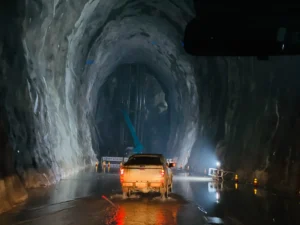
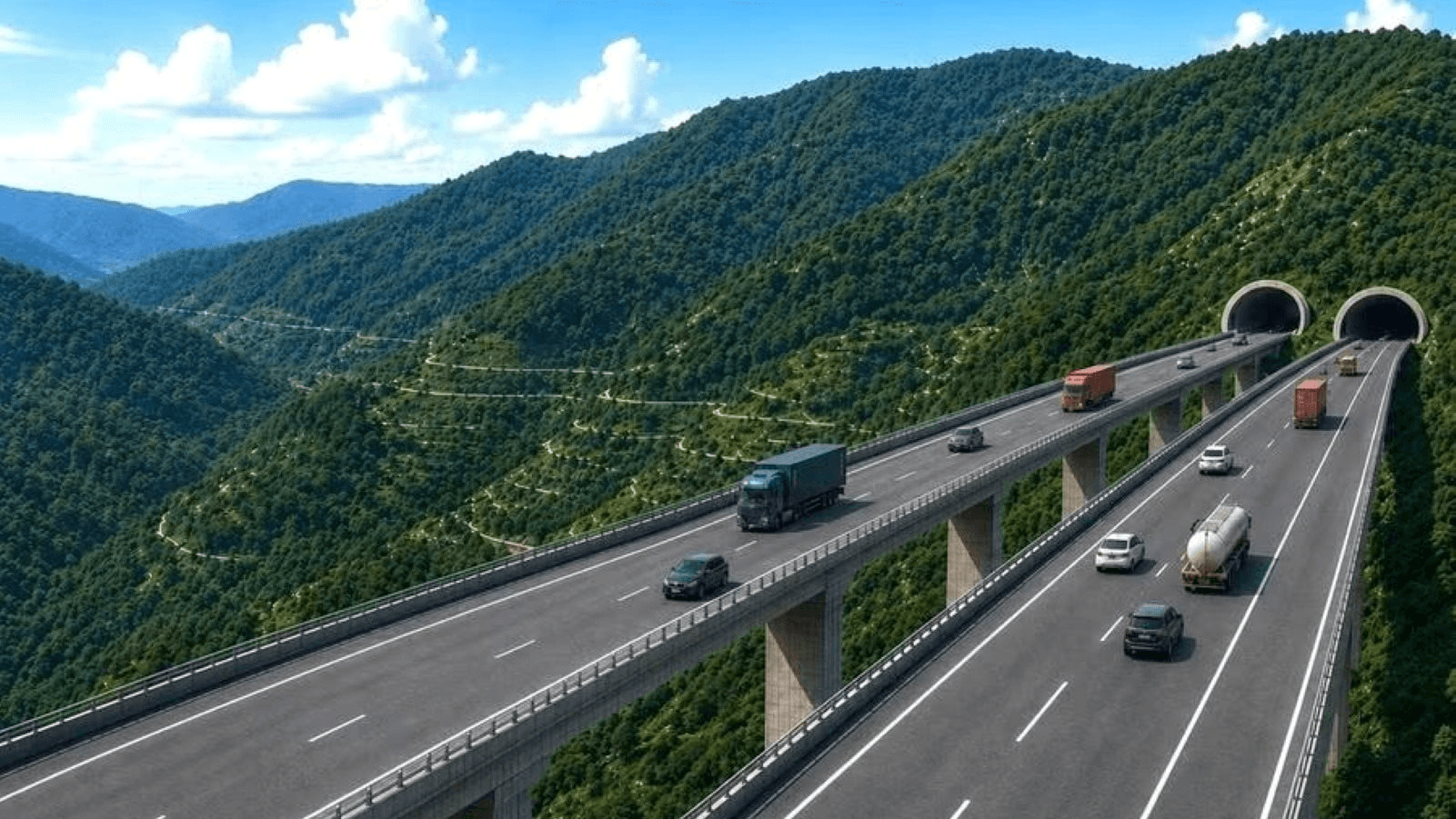
The construction of the Quy Nhon-Pleiku expressway is marked by significant engineering hurdles, particularly within component project 2, which traverses the rugged, mountainous landscape of the An Khe and Mang Yang regions. This section necessitates the construction of two major mountain tunnels with a combined length of approximately 5.75 kilometers, alongside specialized bridges with piers exceeding 105 meters in height.
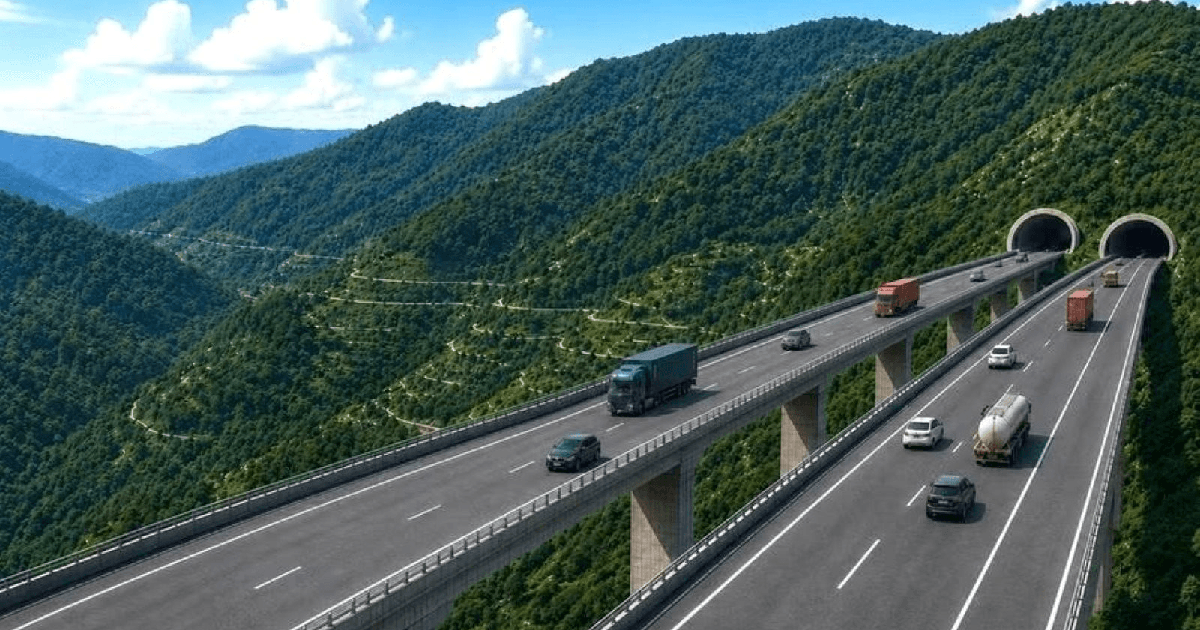
Project management units have reported that the terrain poses severe logistical difficulties, particularly regarding site access for machinery and the transport of heavy construction materials. Furthermore, the presence of soft ground and high-fill embankments, some reaching heights of 12 meters, requires advanced geotechnical solutions to prevent subsidence and ensure long-term structural integrity. Contractors are currently focusing on soil treatment, drainage systems, and the stabilization of embankments, with a rigorous technical oversight process in place to monitor potential settlement.
Field Inspection and Official Directives
During his inspection, Deputy Prime Minister Permanent Pham Gia Tuc commended the efforts of the Gia Lai provincial authorities in facilitating land clearance, a process often cited as the primary bottleneck for infrastructure projects in Vietnam. However, he emphasized that the momentum must be sustained to address remaining challenges.
The Deputy Prime Minister specifically addressed the contractors responsible for package XL02, which is currently facing slight delays compared to the master schedule. He directed these units to mobilize additional manpower and equipment to recover lost time. His instructions were clear: the speed of construction must not come at the expense of quality.
"Quality and safety are non-negotiable," the Deputy Prime Minister stated. He underscored that contractors must strictly adhere to technical requirements, especially in sections with weak ground or high-risk zones. Furthermore, he mandated that all contractors must prepare for a five-year warranty period post-completion, ensuring that the burden of any structural failures or maintenance issues resulting from substandard work remains with the builders.
Supporting Data and Operational Logistics
The scale of the mobilization for this project is substantial. For package XL01, covering 12 kilometers, contractors have deployed over 300 pieces of heavy machinery and 500 workers across 32 construction sites. Similar intensity is seen in package XL02, which carries a construction value of roughly 2 trillion VND; here, over 500 machines and 1,000 personnel are currently engaged. As of the latest report, the completion value for package XL02 has reached approximately 18%, or 360 billion VND.
The bridge construction, particularly the Dak Kon River bridge, serves as a microcosm of the project’s complexity. With 28 spans and a total length of 1.1 kilometers, the structure requires the installation of 330 bored piles and 260 bridge girders. To date, 11 piers have been completed, with significant progress made on the foundation and girder casting.
Economic and Regional Implications
The completion of the Quy Nhon-Pleiku expressway is expected to have a profound impact on the regional economy. Currently, the movement of agricultural goods—such as coffee, pepper, and timber—from the Central Highlands to the port of Quy Nhon is constrained by the limitations of the existing road network. A modern expressway will significantly improve the efficiency of these supply chains, making regional products more competitive in international markets.
Moreover, the project is seen as a key driver for tourism. The Central Highlands, known for its unique culture and natural landscapes, often struggles to attract mass tourism due to difficult access. The new expressway will effectively bring the highland region closer to the coastal tourist hubs, fostering a "sea to mountain" tourism circuit that could revitalize local economies.
Maintaining Quality Standards
A recurring theme throughout the Deputy Prime Minister’s visit was the importance of accountability. By enforcing a five-year warranty period, the government is signaling a shift toward more stringent oversight of public-private partnership (PPP) and public investment projects. This policy aims to minimize the "short-lived" infrastructure phenomenon, ensuring that taxpayers receive long-term value for the 43.7 trillion VND investment.
The management units have been tasked with continuous review of the financial and technical capabilities of all contractors. Given that some firms are simultaneously managing multiple projects, there is a heightened risk of resource fragmentation. The government’s insistence on "full mobilization" serves as a safeguard to ensure that the Quy Nhon-Pleiku project remains a priority in the resource allocation of these construction firms.
Conclusion and Looking Ahead
As the project moves into the middle of its construction cycle, the focus will remain on overcoming the geological barriers in the An Khe and Mang Yang mountain ranges and maintaining the steady flow of construction materials through challenging, narrow access roads. The synchronization of the three component projects will be vital to ensuring that the 2029 deadline is met.
The Quy Nhon-Pleiku expressway is more than a road; it is a critical link in the nation’s effort to modernize its transport infrastructure and bridge the developmental gap between the coast and the inland provinces. With the continued oversight of central authorities and the commitment of the contractors to quality and safety standards, the project is poised to serve as a cornerstone of growth for the Central Highlands for decades to come. As the work proceeds, the attention of the public and stakeholders remains fixed on the successful execution of the tunnel segments, which will undoubtedly stand as the most significant engineering milestones of the entire endeavor.
Related posts: