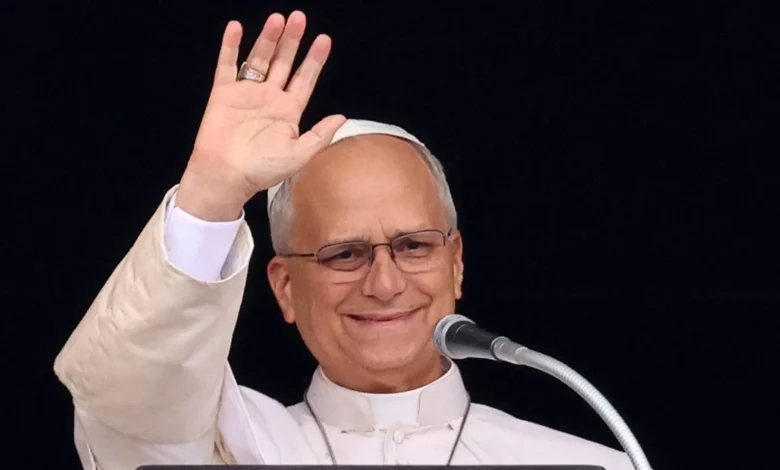
VATICAN CITY — In an unprecedented development that bridges the realms of spiritual leadership and civic duty, the Vatican has officially confirmed that Pope Leo XIV cast a ballot by absentee mail for the United States midterm elections. This monumental participation marks the first time in the recorded history of the Holy See that a reigning pontiff has exercised the right to vote in a secular election outside the Vatican City State.
The announcement, released by the Holy See Press Office, underscores a profound message regarding the intersection of faith, global citizenship, and political responsibility. While the Vatican has strictly withheld disclosure regarding the pontiff’s specific choice of candidates or party alignment, the confirmation itself has ignited widespread discussion among political analysts, theologians, and millions of Catholics worldwide.
A Historic First for the Papacy
The revelation that Pope Leo XIV participated in the American democratic process highlights a unique convergence of personal heritage and global office. Born Robert Francis Prevost in Chicago, Illinois, the 71-year-old pontiff is the first Pope in history to be a native-born citizen of the United States. Following his election by the College of Cardinals in May 2025 as the supreme pontiff of the Roman Catholic Church—a global community of approximately 1.4 billion adherents—questions naturally arose regarding his ongoing ties to his homeland.
According to statements from the Holy See Press Office, the Pope chose to continue a lifelong personal tradition of fulfilling his civic obligations. "Continuing a long-standing tradition of exercising the right of a citizen, he cast his ballot via mail from Chicago," the Vatican brief stated.
The Vatican further emphasized that Pope Leo XIV firmly believes participation in democratic processes is not merely a privilege, but a fundamental moral obligation for every citizen. By taking part in the electoral system, the pontiff has modeled a hands-on approach to civic engagement, reminding the global faithful that spiritual devotion and active participation in society are deeply complementary.
Electoral Background and Voter Registration
Public records and local reports from the United States have shed further light on the pontiff’s voting history, confirming that his participation in this year’s midterm elections is part of a consistent pattern of civic engagement.
According to documentation cited by the Chicago Sun-Times, Pope Leo XIV maintained his voter registration in Cook County, Illinois, under his birth name, Robert Francis Prevost. Official records indicate that the process for requesting his absentee ballot began in early October, well ahead of the statutory deadlines for overseas and absentee voters.
Further analysis of local voting databases by outlets such as the New York Times reveals that the pontiff has a documented history of participating in both Democratic and Republican primary elections during previous decades. Publicly available state and local election files show that he cast ballots in the Democratic primary elections in 2008 and 2010, followed by participation in Republican primaries in subsequent election cycles. This bipartisan voting record reflects a complex, independent political profile that predates his ascension to the highest office in the Catholic Church.
Political scientists note that while American citizens living abroad or serving in international posts routinely retain their voting rights through absentee ballots, the unique status of the Pope as a sovereign head of state introduces a fascinating layer of constitutional and diplomatic precedent. As the sovereign of Vatican City, the pontiff holds dual citizenship status through his native ties to the United States, allowing him to legally maintain voter registration in his home state of Illinois under U.S. federal law, specifically the Uniformed and Overseas Citizens Absentee Voting Act (UOCAVA).
Health and Recent Milestones
The historic vote comes during a particularly demanding period in the pontiff’s life, marked by significant health challenges and a demanding schedule of global leadership.
On October 13, just weeks before casting his absentee ballot, Pope Leo XIV underwent a major surgical procedure at Rome’s Gemelli Hospital to remove a malignant tumor in his lower right lung. Medical teams subsequently diagnosed him with primary pulmonary pleomorphic carcinoma, a rare and aggressive form of non-small cell lung cancer.
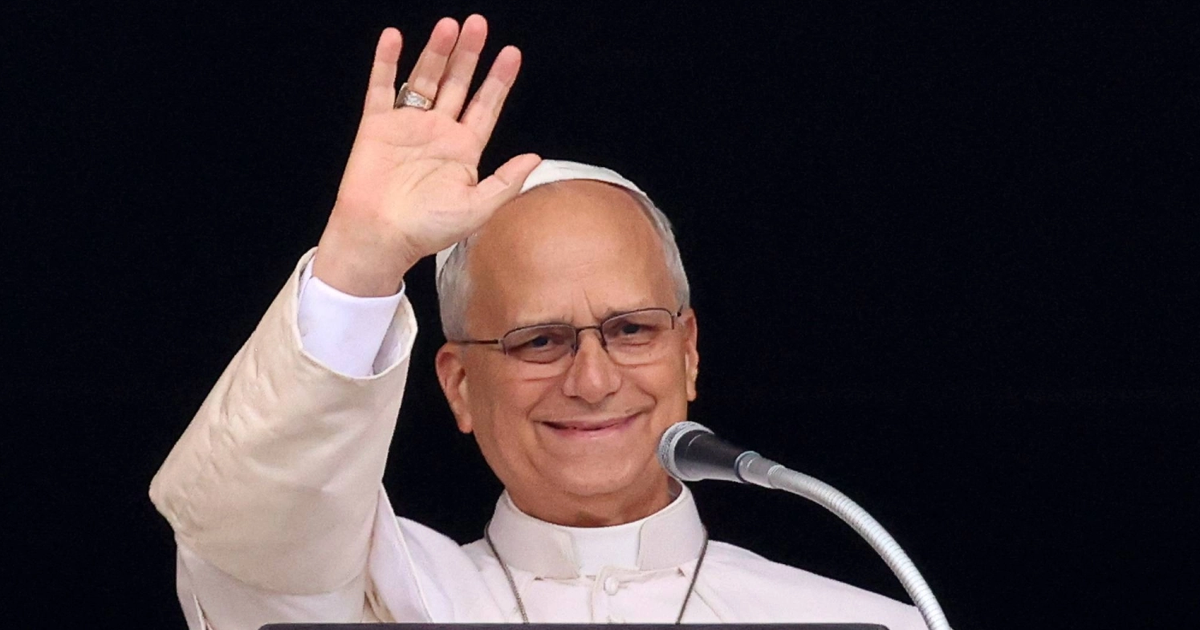
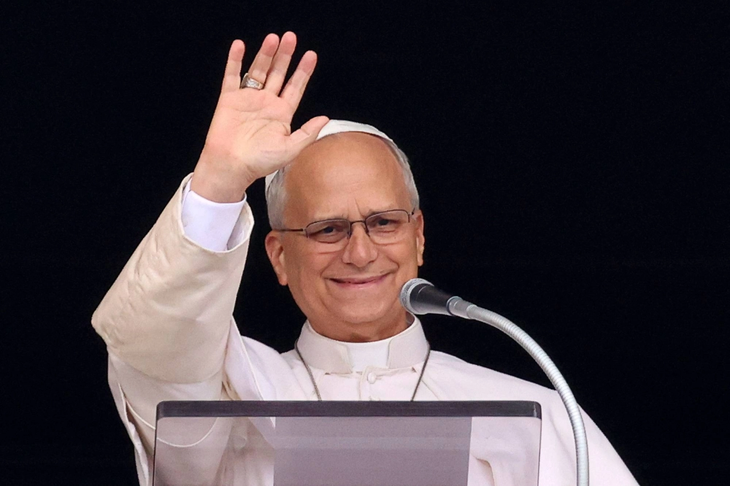
Despite the gravity of the diagnosis and the grueling recovery process, the pontiff has demonstrated remarkable resilience. His first public appearance following the surgery occurred on October 19, when he greeted well-wishers from his apartment window at the Apostolic Palace. Since then, he has gradually resumed limited administrative duties and private audiences, culminating in the management of his civic responsibilities ahead of the U.S. midterms.
Medical experts and Vatican insiders have expressed admiration for the Pope’s stamina, noting that handling the emotional and physical weight of leading a global church while navigating a cancer diagnosis is an extraordinary test of endurance. Managing his absentee ballot paperwork from a hospital bed in Rome further illustrates his steadfast commitment to maintaining his ties to the United States.
Global Reactions and Theological Implications
The reaction from international observers, religious scholars, and political commentators has been swift and multifaceted. For many proponents of modern Catholic social teaching, the Pope’s actions serve as a powerful endorsement of civic participation. The Compendium of the Social Doctrine of the Church explicitly teaches that responsible citizenship is a virtue and that participation in political life is a moral duty.
However, some conservative traditionalists have expressed mild surprise, noting the long-standing tradition of popes remaining strictly neutral in partisan politics to preserve the universal moral authority of the Holy See. By participating in an election within a specific nation-state—even his country of origin—critics argue that the pontiff risks entangling the papacy in the hyper-polarized landscape of contemporary American politics.
In response to such concerns, Vatican officials have reiterated that the act of voting is an exercise of personal conscience and fundamental citizenship, completely distinct from official papal teaching or church policy. The Holy See has maintained absolute discretion regarding the details of the ballot, ensuring that the integrity of the secret ballot remains intact and that the universal character of the papacy is uncompromised.
Implications for Church-State Relations
The unprecedented event opens new conversations regarding the legal and diplomatic status of modern pontiffs who hold citizenship in democratic nations. In past centuries, popes were predominantly Italian nationals, often ruling over the Papal States and possessing distinct regional loyalties. In the twentieth and twenty-first centuries, the election of non-Italian popes—such as John Paul II from Poland, Benedict XVI from Germany, Francis from Argentina, and now Leo XIV from the United States—has increasingly globalized the papacy.
Legal scholars specializing in international law and canon law point out that while heads of state typically enjoy sovereign immunity and diplomatic privileges, private citizenships acquired prior to assuming office often remain legally valid unless formally renounced. Pope Leo XIV has made no indication of renouncing his U.S. citizenship, viewing his American roots as an integral part of his personal identity.
Furthermore, the integration of modern communication technologies and absentee voting systems has made it increasingly feasible for global leaders to participate in the domestic affairs of their homelands. While monarchs and dictators rarely participate in democratic elections, the unique constitutional framework of the United States allows citizens abroad to maintain their franchise indefinitely.
Looking Ahead
As the United States midterm election results continue to unfold and shape the legislative balance of power in Washington, the legacy of this election will permanently include a footnote in Vatican history. Pope Leo XIV has bridged two distinct worlds: the ancient, spiritual monarchy of the Catholic Church and the modern, participatory democracy of the Western world.
For the 1.4 billion Catholics worldwide, the moment offers a poignant reminder that the leader of their global faith remains deeply connected to the realities of everyday citizenship. Whether viewed as a bold step forward in modernizing the papacy or as a simple personal fulfillment of a lifelong duty, Pope Leo XIV’s absentee ballot has firmly cemented his place in both ecclesiastical and political history.