Vietnam Paves Way for Low Earth Orbit Satellite Services to Boost National Connectivity

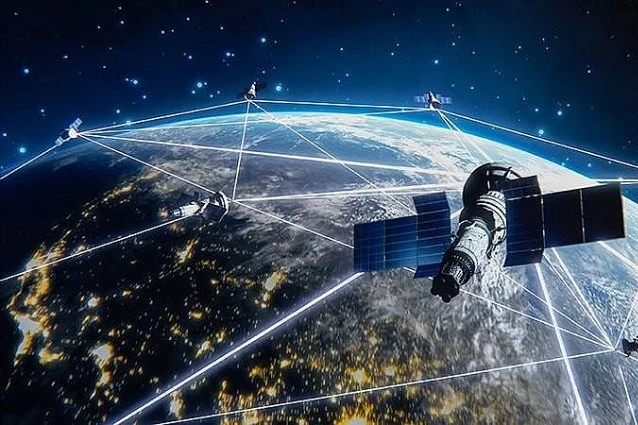
The Vietnamese government has initiated a pivotal shift in its telecommunications landscape by establishing a specialized legal framework to allow the controlled trial of Low Earth Orbit (LEO) satellite services. This strategic move, championed by the Ministry of Information and Communications (MIC) and formally supported by a recent National Assembly resolution, aims to bridge the digital divide in remote, mountainous, and maritime regions where traditional fiber-optic infrastructure remains difficult or prohibitively expensive to deploy.
The Strategic Context of Satellite Connectivity
The legislative pivot, reflected in the implementation of Resolution 57/NQ-TW, signals a departure from traditional, state-centric telecommunications models. By creating a sandbox environment for LEO satellite providers, Vietnam is positioning itself to integrate global satellite internet constellations into its national digital infrastructure. This initiative is not merely about consumer internet access; it is a critical component of Vietnam’s broader national digital transformation agenda, which emphasizes resilient, high-speed, and ubiquitous connectivity as the backbone of a modern digital economy.
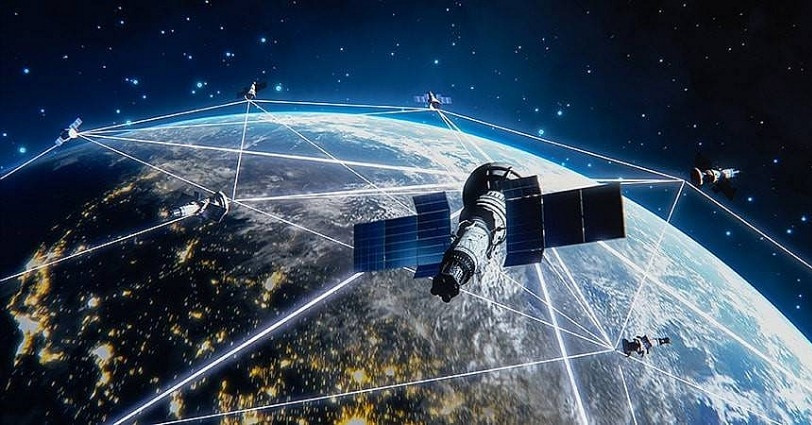
LEO satellites operate at significantly lower altitudes than traditional Geostationary (GEO) satellites—typically between 500 and 2,000 kilometers above the Earth’s surface. This proximity results in significantly lower latency, making them comparable to terrestrial broadband in terms of performance. For a nation with complex geography like Vietnam—characterized by vast archipelagos and rugged mountainous terrain—this technology offers a viable solution to ensure national security, disaster response, and universal service access.
Chronology of Regulatory Evolution
The movement toward opening the market began in earnest in 2023, characterized by a series of high-level engagements between the Ministry of Information and Communications and international satellite operators.
- Early 2023: Initial discussions commenced between the Ministry of Information and Communications and representatives from SpaceX regarding the regulatory hurdles for Starlink’s entry into the Vietnamese market.
- February 19, 2025: The National Assembly officially passed a landmark resolution approving specific mechanisms and policies to foster scientific and technological breakthroughs, which included the authorization for the trial of LEO satellite telecommunications services.
- Late February 2025: The Ministry of Information and Communications, specifically the Authority of Telecommunications, began drafting the specific technical and administrative guidelines that will govern these pilot projects, focusing on compliance with national security and defense requirements.
Global Context and Market Landscape
The global LEO satellite market is currently undergoing an unprecedented expansion, with roughly 20 major corporations and consortia developing constellations to provide global high-speed internet.
SpaceX’s Starlink currently leads this segment, having launched over 6,700 satellites with a long-term goal of reaching 42,000 to ensure comprehensive global coverage. Other major players include OneWeb, which has already deployed over 500 satellites, and industry giants such as Amazon’s Project Kuiper, Telesat, SES, and Viasat. Furthermore, the competition has taken on a geopolitical dimension, with China aggressively expanding its own LEO capabilities. The Shanghai Spacecom Satellite Technology firm, for example, is spearheading a domestic initiative to deploy a network of 15,000 satellites to compete with Western-led constellations, underscoring the strategic necessity for Vietnam to establish its own sovereign framework for satellite traffic management.
Technical Implications and National Security
A central tenet of the new Vietnamese regulatory framework is the principle of "controlled testing." Unlike traditional telecommunications licensing, which is often rigid, this trial period allows the government to observe the impact of satellite services on the domestic market while maintaining strict control over data routing and security.
Under the current guidelines, the government is relaxing foreign ownership limits for companies participating in these specific trials. This is a significant concession, as the telecommunications sector has historically been highly protected in Vietnam. By allowing foreign investors to hold equity or contribute capital without the typical restrictions, the government is actively courting global technology leaders to bring their infrastructure to Vietnamese soil. However, the condition remains that all service providers must submit to local licensing procedures and adhere to rigorous national security, defense, and public order standards.
The Case for Starlink and Similar Providers
During recent consultations, SpaceX executives emphasized that their technology is uniquely suited for the Vietnamese context. Unlike ground-based cables, which are vulnerable to environmental disruptions—such as earthquakes, typhoons, and flooding—LEO satellite terminals can be deployed rapidly.
"In emergency situations, internet connectivity plays a vital role in maintaining communication," noted Laurent Tran Dien, a regional representative for SpaceX. He highlighted that Starlink terminals can be mounted on everything from fishing vessels and aircraft to remote village outposts, providing a lifeline for healthcare, education, and disaster relief that would otherwise be impossible to reach via traditional fiber networks.
Economic and Social Impact
The introduction of LEO satellite services is expected to have a multi-tiered impact on Vietnam’s economy:
- Closing the Digital Divide: Providing high-speed internet to the "last mile" in rural provinces will enable local populations to participate in e-commerce, digital banking, and distance learning, effectively leveling the playing field between urban and rural centers.
- Maritime Resilience: With a significant fishing and maritime industry, Vietnam’s ability to provide constant, high-speed connectivity to vessels in the East Sea (South China Sea) will enhance the safety and economic efficiency of the national fleet.
- Industrial Innovation: The availability of high-speed, low-latency satellite internet will support the expansion of "Smart Agriculture" and remote industrial monitoring, allowing for real-time data collection in regions that currently suffer from poor connectivity.
Future Outlook and Challenges
While the policy shift is a major milestone, challenges remain. The integration of LEO constellations requires significant investment in ground stations (gateways) and coordination with existing frequency management protocols to avoid interference with other satellite systems. Furthermore, the Ministry of Information and Communications must ensure that the pricing models for these premium services do not create a secondary digital divide, where only the wealthy can afford high-speed satellite access.
The Ministry has stated that while it is encouraging this new wave of technology, domestic telecommunications giants like Viettel and VNPT are also closely monitoring these developments. It is highly likely that future partnerships will emerge where international satellite providers work in tandem with local carriers, utilizing the existing local infrastructure to distribute the bandwidth provided by the LEO constellations.
Ultimately, by embracing the LEO revolution, Vietnam is signaling its intent to remain at the forefront of regional technological adoption. The coming months will be critical as the first pilot projects undergo evaluation, setting the stage for what could be a permanent transformation in how the nation communicates, connects, and competes on the global stage. The focus will now shift to how quickly these foreign entities can navigate the administrative landscape and how effectively the government can integrate these advanced networks into the national security framework.