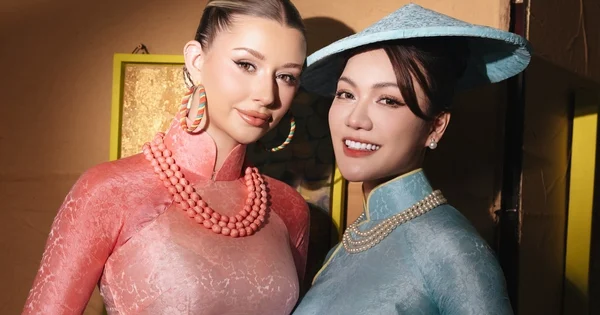
On November 21, 2026, the Youth Cultural House in Ho Chi Minh City became the epicenter of cultural preservation as it hosted the inaugural Dausac Viet 2026 festival. The event, held in anticipation of Vietnam Cultural Day, served as a bridge between historical artisanal practices and modern aesthetic expression. The highlight of the evening was a high-profile Ao Dai fashion showcase featuring Miss International Vietnam 2016, Thai Nhien Phuong, who returned to the spotlight alongside reigning Miss Cosmo 2025, Yolina Lindquist. The participation of these titleholders underscored the event’s mission to elevate traditional Vietnamese craftsmanship to a global stage.
A Convergence of Heritage and Modernity
The Dausac Viet 2026 festival, themed "Giai Nhiep," marks a significant milestone in the city’s cultural calendar. By focusing on the intersection of ancient techniques and contemporary design, the event sought to honor the country’s diverse craft villages. The festival provided a comprehensive platform for artisans specializing in traditional embroidery, lacquerware, and hand-woven textiles, allowing them to showcase their expertise to a younger generation and an international audience.
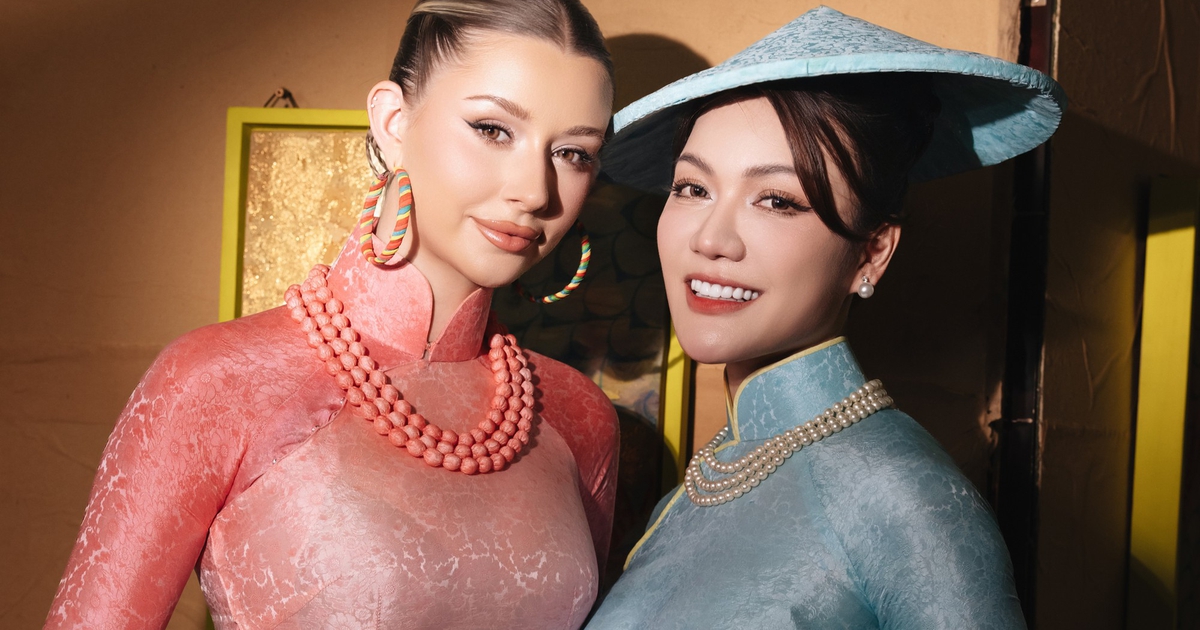
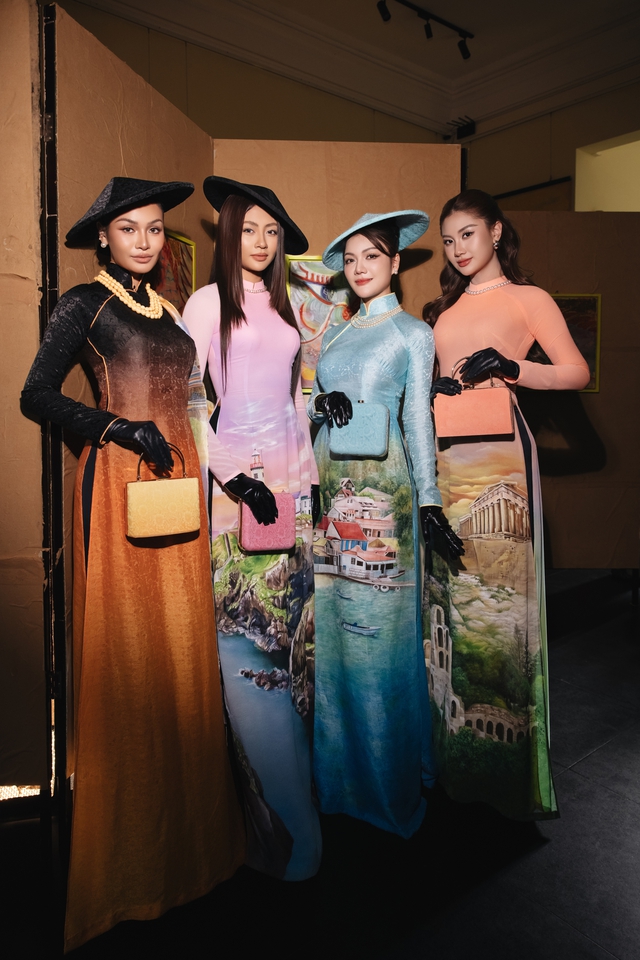
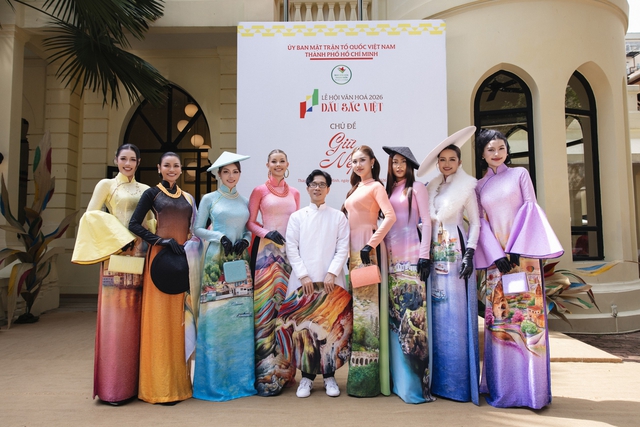
Central to the program was an exclusive collection curated by designer and artisan Trung Dinh. The collection featured eight bespoke Ao Dai designs, each meticulously crafted to highlight specific regional heritage elements. These garments were modeled by a distinguished group of international beauty queens and professional models, including Miss Ngoc Chau, Miss Xuan Hanh, and Miss Phuong Linh. This collective presence served to amplify the visibility of Vietnamese traditional attire, repositioning the Ao Dai not merely as a symbol of the past, but as a dynamic element of contemporary fashion.
Chronology of the 2026 Cultural Initiative
The preparations for the festival began in early 2026, driven by a desire to revitalize interest in dwindling handicraft sectors across Vietnam. Organizers spent months collaborating with local master artisans from renowned villages such as Ha Thai (lacquerware) and various silk-weaving cooperatives in the Mekong Delta.
- Early 2026: Launch of the "Dausac Viet" campaign aimed at documentation and promotion of traditional vocational crafts.
- Mid-2026: Collaboration established between fashion designers and local artisans to integrate hand-crafted elements into modern apparel.
- November 21, 2026: The official launch event at the Youth Cultural House, featuring the high-profile runway show and an immersive art exhibition.
- Post-Event: Long-term commitments to support the participating artisan villages through educational outreach and marketing support for their products.
The Significance of the Thai Nhien Phuong Return
For Thai Nhien Phuong, the event marked a poignant return to the public eye. Since her crowning as Miss International Vietnam in 2016, Phuong has maintained a selective public profile, shifting her focus from entertainment to professional development and business leadership. Her decision to participate in the Dausac Viet festival was motivated by a commitment to the preservation of Vietnamese cultural identity.
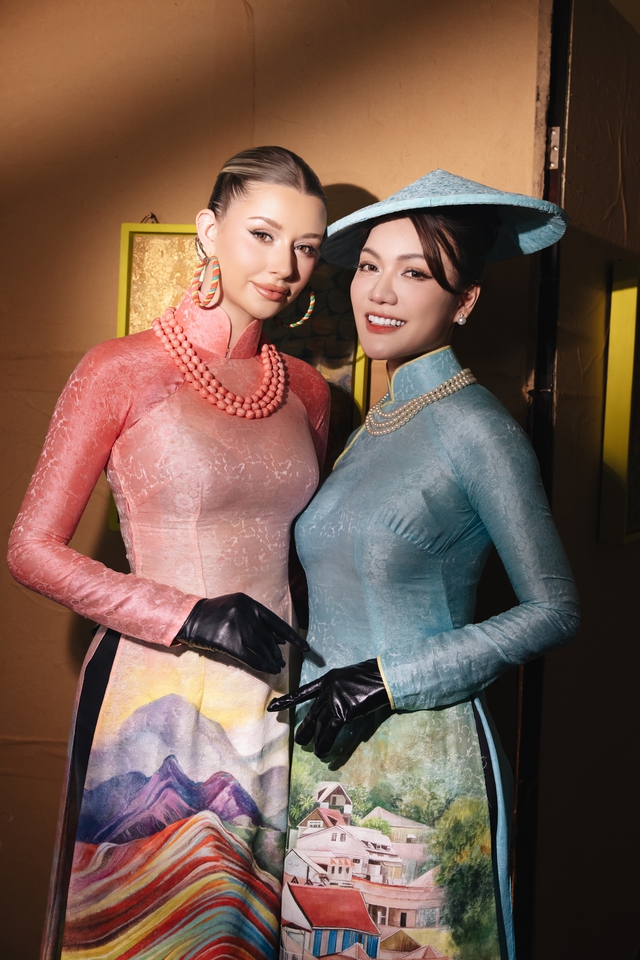
During the event, Phuong modeled an intricate silk Ao Dai featuring hand-embroidered motifs created through traditional artisanal techniques. Her performance was noted for its grace and alignment with the event’s theme of continuity. In an interview conducted during the festival, Phuong emphasized that the Ao Dai acts as a vessel for collective memory. "To wear these designs is to honor the hands of the masters who continue to keep our history alive," she stated. Her presence served as a catalyst for discussions regarding how titleholders can leverage their platforms to advocate for sustainable development and cultural conservation.
Data and Impact: The Artisan Economy
The Dausac Viet festival is more than a fashion showcase; it serves as a critical marketing instrument for the Vietnamese handicraft industry. According to reports from the event organizers, the handicraft sector in Vietnam has faced significant pressure from mass-produced, lower-cost alternatives. Initiatives like Dausac Viet are designed to bridge this gap by providing high-visibility exposure for specialized crafts.
Economic data suggests that when traditional crafts are integrated into high-end fashion, the perceived value of the product increases significantly, allowing for better profit margins for the artisans. By featuring these works on an international stage alongside figures like Miss Cosmo 2025, the organizers aim to stimulate both domestic demand and export interest in authentic Vietnamese products. The inclusion of an art exhibition titled "Nghiep" allowed attendees to engage directly with the processes behind the crafts, fostering a deeper appreciation for the labor-intensive nature of traditional production.
Professional Transition: From Pageantry to Business
The trajectory of Thai Nhien Phuong since her 2016 crowning serves as a compelling case study for former titleholders navigating the transition into the professional sector. Unlike many of her peers who remain heavily involved in the entertainment industry, Phuong has established a career as a CEO in the construction and interior materials industry.
This pivot represents a broader trend among modern beauty queens who view their pageant titles as a stepping stone to building sustainable business empires. Phuong’s success in the corporate sector has allowed her to balance her public image with substantive contributions to the economy. She advocates for a model where business leadership is used to create stable jobs for local workers, thereby contributing to the community in a tangible way. Her involvement in the Dausac Viet 2026 festival is viewed as a continuation of this philosophy—integrating her professional expertise with a passion for national development and cultural stewardship.
Broader Implications for Vietnamese Culture
The success of the Dausac Viet 2026 festival points to a growing national trend: the re-evaluation of traditional values within a globalized economy. As Vietnam continues to modernize, there is a visible effort by the creative class to ensure that the nation’s unique cultural signature is not lost.
- Cultural Diplomacy: By inviting international beauty queens like Yolina Lindquist to participate, Vietnam is engaging in soft-power diplomacy, positioning itself as a hub of sophisticated, high-quality artisanal production.
- Economic Resilience: Supporting craft villages helps diversify the rural economy, providing alternatives to industrial labor and preserving historical knowledge.
- Fashion as Preservation: The collaboration between designers and artisans ensures that traditional motifs remain relevant in modern markets, preventing these crafts from becoming "museum pieces" by integrating them into wearable, contemporary fashion.
As the festival concluded, the organizers expressed their intent to make Dausac Viet an annual occurrence. The goal is to expand the scope of the program to include international workshops and academic collaborations, ensuring that the techniques honored today are passed down to future generations. The event stands as a testament to the fact that when prestige and heritage are aligned, the result is a powerful narrative that resonates both locally and internationally, ensuring that the legacy of Vietnamese craftsmanship continues to evolve in the 21st century.