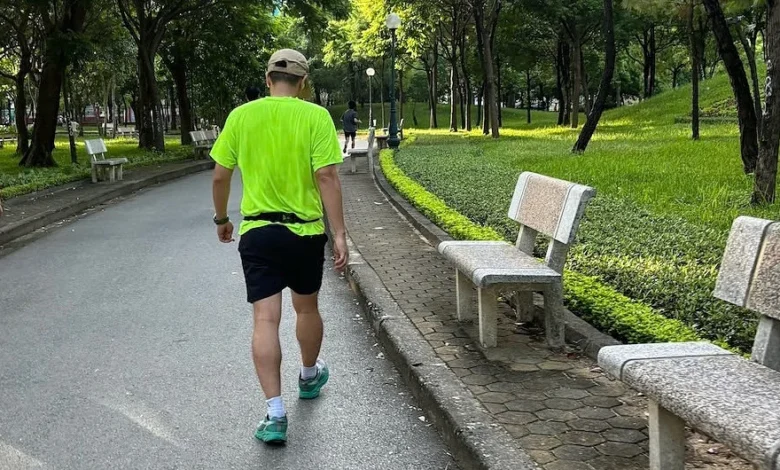
Walking is widely regarded as one of the most accessible and effective forms of physical activity, yet for many, the question remains whether it provides a comprehensive physiological stimulus. While daily walking is scientifically proven to enhance cardiovascular health, assist in weight management, and improve blood pressure regulation, health experts increasingly emphasize that it may not be sufficient on its own to optimize musculoskeletal strength and overall physical resilience.
The Foundation of Physical Activity
Walking serves as the cornerstone of human movement. According to guidelines established by the U.S. Department of Health and Human Services (HHS), regular moderate-intensity aerobic activity significantly reduces the risk of chronic conditions, including cardiovascular disease, stroke, type 2 diabetes, and various forms of cancer. The current recommendation for adults is at least 150 minutes of moderate-intensity aerobic exercise per week, which can be broken down into 30-minute sessions over five days.
However, the medical community cautions against viewing walking as a panacea. While walking is excellent for endurance and heart health, it primarily engages the lower body and does not sufficiently challenge the muscle groups of the upper body or the core. As individuals age, the loss of muscle mass and bone density—a condition known as sarcopenia—becomes a critical concern that walking alone cannot adequately mitigate.
The Physiological Necessity of Strength Training
To achieve a well-rounded fitness profile, experts suggest that aerobic exercise must be supplemented by resistance training. Current scientific consensus suggests that adults should incorporate muscle-strengthening activities at least two days per week. These exercises should target major muscle groups, including the legs, hips, back, abdomen, chest, shoulders, and arms.
Strength training is not merely about aesthetic gains; it is a vital component of long-term health. Resistance exercises, such as lifting weights, using resistance bands, or performing bodyweight movements like squats and push-ups, stimulate bone remodeling and muscle protein synthesis. As the body ages, both muscle mass and bone mineral density naturally decline, increasing the risk of falls, fractures, and functional limitations in daily activities.
The Biomechanics of Bone and Muscle Health
The impact of walking on skeletal health is positive but limited. Because walking is a weight-bearing exercise, it places a degree of stress on the bones, which helps maintain density. However, this stress is often insufficient to trigger the structural adaptations necessary to protect against age-related decline.
When an individual engages in higher-intensity resistance training, they provide a mechanical stimulus that exceeds that of routine walking. For older adults or those with pre-existing joint conditions, this approach must be tailored. Professionals recommend that individuals consult with physical therapists or trainers to design a program that provides appropriate stimulus without risking injury. The goal is to create a comprehensive routine that addresses cardiovascular health through walking while simultaneously promoting muscular and skeletal integrity through targeted resistance work.
Integrating Movement into a Modern Lifestyle
For those looking to establish or improve their fitness, the transition from sedentary behavior to an active lifestyle does not require an immediate shift to high-intensity training. The most sustainable approach is to treat walking as the foundational habit, upon which other physical activities are built.
A balanced weekly schedule might look like this:

- Aerobic Base: 30 minutes of brisk walking, five days per week.
- Muscular Maintenance: Two days of dedicated resistance training focusing on full-body engagement.
- Optional Enhancements: Activities such as swimming, cycling, or balance-oriented exercises like yoga or tai chi to improve stability and flexibility.
The flexibility of this model allows for adjustments based on individual fitness levels, time availability, and physical limitations. For a sedentary individual, starting with a 10-minute walk and gradually increasing duration and intensity is a safe and effective pathway to building endurance.
Clinical Perspective and Safety Protocols
Medical professionals emphasize that the benefits of exercise are dose-dependent but also context-specific. It is vital to recognize that exercise-induced stress is only beneficial when the body is allowed to recover. The "more is better" mentality can sometimes lead to overuse injuries, particularly in individuals who suddenly increase their physical output.
"Movement is medicine, but it must be applied correctly," notes a consultant in sports medicine. "When we see patients with metabolic syndrome or early-stage cardiovascular issues, we start with walking because of its low barrier to entry. However, we always discuss the eventual need to add resistance training to ensure they maintain the strength required for functional independence as they age."
Patients are advised to monitor their bodies closely. Warning signs such as persistent chest pain, unusual shortness of breath, dizziness, or localized pain that does not subside after rest should be treated as immediate indicators to pause the activity and seek medical evaluation.
The Broader Impact on Public Health
The cumulative effect of a society that prioritizes both aerobic and resistance training is profound. Beyond the individual benefits of reduced chronic disease, there is a significant public health implication regarding the reduction of healthcare costs associated with age-related frailty.
Data from longitudinal studies suggest that individuals who maintain a combination of aerobic and strength-based activities experience a higher "healthspan"—the period of life spent in good health—rather than just an extended lifespan. By addressing the decline in muscle mass, these individuals remain more mobile, independent, and cognitively sharp well into their later years.
Conclusion: A Strategic Approach to Longevity
While the simplicity of walking makes it an ideal starting point, it should be viewed as one component of a holistic health strategy. As the body adapts to regular walking, the stimulus it provides begins to plateau. To continue reaping the benefits of physical activity, one must periodically introduce new challenges.
Whether it is climbing stairs, engaging in resistance training, or incorporating diverse movement patterns, the integration of multiple exercise forms is superior to focusing on a single activity. By viewing walking as the base and building a structure of strength and flexibility on top of it, individuals can optimize their physical health and create a sustainable, lifelong habit of movement.
In summary, while walking is an indispensable component of a healthy lifestyle, it is not a complete one. The path to longevity requires a nuanced approach that respects the biological needs of the heart, the muscles, and the skeleton, ensuring that every step taken is part of a larger, more comprehensive effort to maintain physical vitality.