Hanoi Residents Alarmed as Multiple Vehicles Suffer Mysterious Shattered Glass and Dents in Linh Dam Urban Area

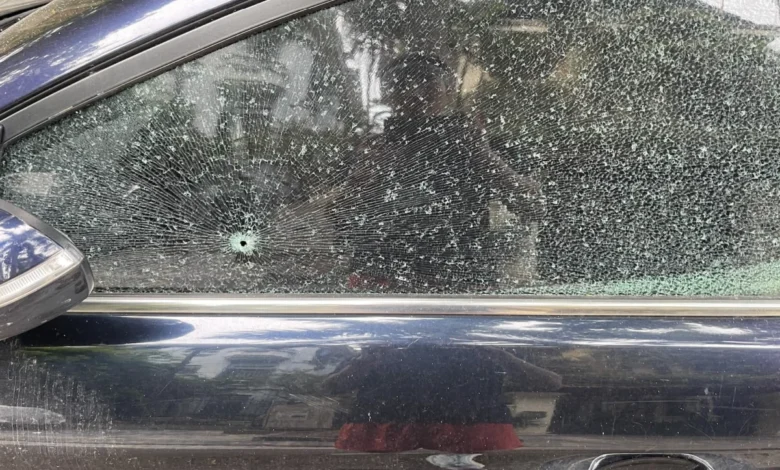
A wave of anxiety has gripped vehicle owners residing in the Linh Dam Urban Area, located in Hoang Liet Ward, Hoang Mai District, Hanoi, following a series of unexplained incidents involving damaged automobiles. Over recent months, numerous residents have discovered their cars bearing cracked, shattered windows and mysterious dents after being parked overnight along local streets. The incidents have sparked widespread concern among the local community, prompting calls for heightened security and formal investigations by local law enforcement.
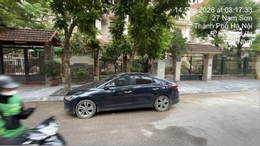
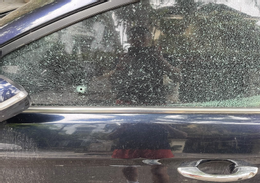
The most recent reported incident occurred on the morning of September 14, when resident Khong Van Luyen, who lives in the VP3 apartment building within the urban area, made a distressing discovery. Upon inspecting his blue Hyundai Elantra, Mr. Luyen found that the vehicle’s side window glass was broken, fractured, and marked with a distinct impact crater. The car had been parked overnight along the roadway situated in front of the BT3 villa enclave—a corridor connecting the Linh Dam Park with the NHA 1B residential zone.
According to Mr. Luyen, this marked the first time his vehicle had been targeted in this manner. The stretch of road where he parked lacks any official "No Parking" signs, and he stated that he had deliberately positioned the vehicle as close to the curb as possible to minimize disruption to passing traffic. Despite these precautions, the car sustained severe glass damage overnight.
A Growing Pattern of Mysterious Vehicle Damage
What initially seemed like an isolated act of vandalism or a random misfortune quickly proved to be part of a broader, more systemic issue. Upon discussing the incident with neighbors and fellow motorists, Mr. Luyen discovered that he was far from alone. At least seven to eight vehicle owners in the immediate vicinity have come forward reporting identical forms of damage to their automobiles over the past few months.
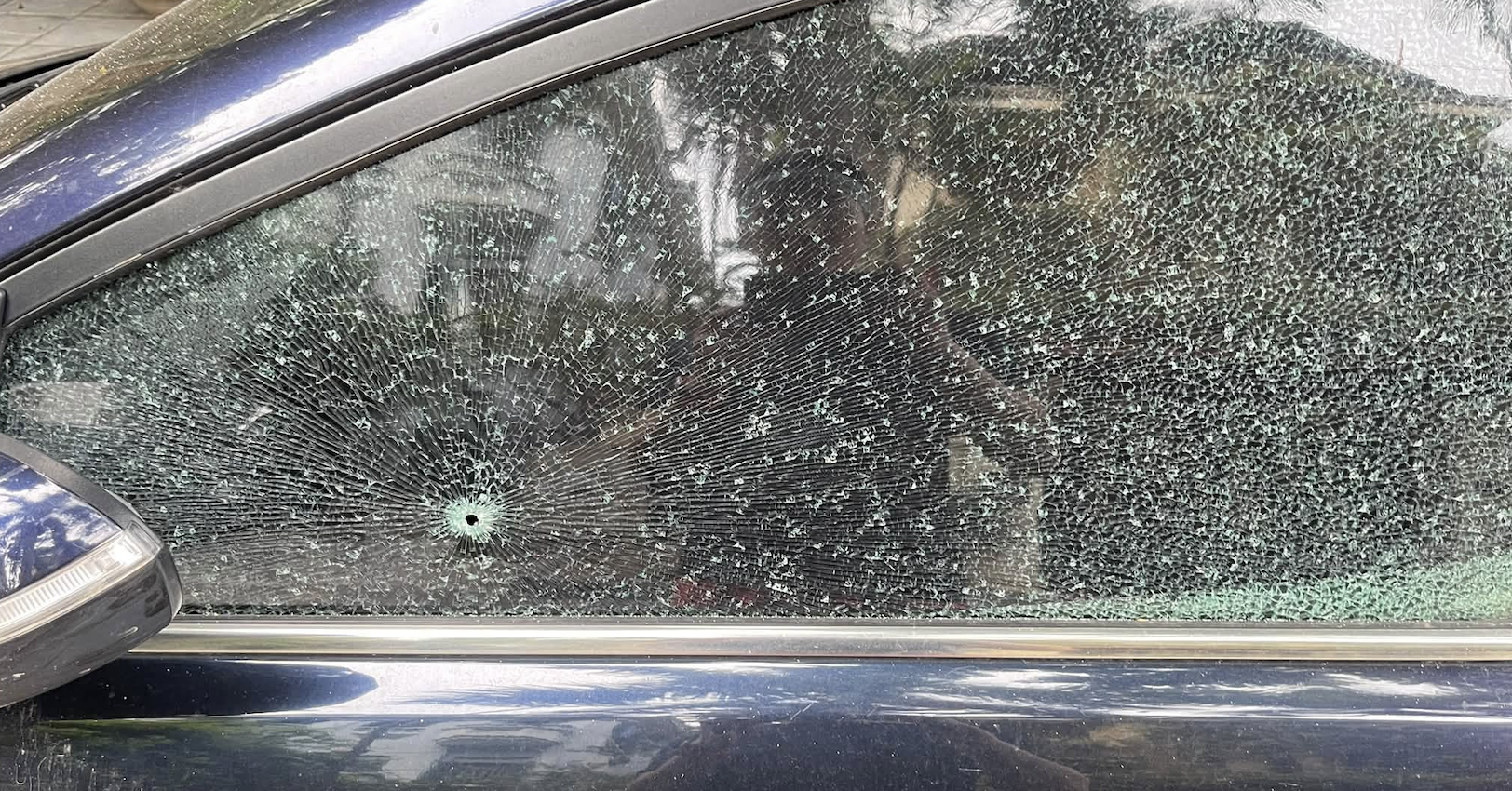
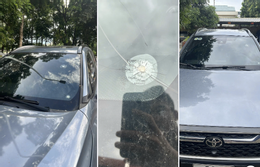
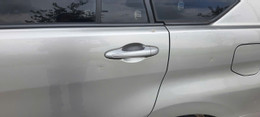
The damage across these various vehicles shares striking similarities. While the affected cars are parked in different locations throughout the sprawling urban development, the primary point of impact in almost every case is the vehicle’s glass—ranging from side windows to sunroofs—along with unexplained dents on the body panels.
Mr. Luyen noted that the impact point on his vehicle featured a circular hole measuring approximately 8 millimeters in diameter on the glass surface. This specific characteristic closely mirrors the appearance of damage caused by high-velocity projectiles, such as airgun pellets or metallic ball bearings.
Other residents have reported even earlier occurrences. Mr. D.V.Gi., a representative of a local enterprise operating within the Linh Dam Urban Area, reported that two corporate vehicles—a Toyota and another company car—were severely damaged in similar circumstances earlier in the year. One of the company vehicles was vandalized overnight on June 30, with the damage discovered on the morning of July 1, while a second vehicle fell victim to a similar incident on July 5.
While some affected motorists trace the timeline of these mysterious attacks back to July 2026, others claim that sporadic incidents of unexplained window cracking and vehicle body dents may have occurred as early as 2025. The accumulation of these events has transformed individual grievances into a collective crisis for local car owners.
Theories and Speculation: Airguns, Slingshots, and Vandalism
As frustration mounts, vehicle owners have begun piecing together theories regarding the source of the destruction. The predominant suspicion among the affected residents is that the circular fractures and shattered window glass are the result of malicious individuals firing ball bearings, airgun pellets, or hard projectiles from a distance.
Despite these strong suspicions, residents acknowledge that this remains an initial hypothesis lacking official confirmation from forensic investigations. Several car owners have attempted to gather hard evidence by approaching nearby residential buildings and commercial properties to request access to closed-circuit television (CCTV) footage. However, reviewing security camera recordings has proven challenging, as many surrounding cameras either failed to capture the specific angles or local property managers have been hesitant to release footage without formal police requests.
The lack of definitive video evidence has left vehicle owners in a state of limbo, unable to definitively prove who is responsible or whether the damage is being caused by deliberate malicious intent, juvenile delinquency, or stray hazards.
Infrastructure Realities and the Chronic Parking Shortage
To fully understand the vulnerability of the vehicles in Linh Dam, industry analysts and local urban planners point to a deeper structural issue plaguing the area: a severe shortage of authorized parking infrastructure.
Over the years, urban development in Linh Dam has seen the progressive upgrading of internal roads, the completion of drainage and underground infrastructure systems, and increased patrols by ward police targeting illegal parking and street obstruction. Consequently, local authorities have gradually tightened restrictions on vehicular storage along major thoroughfares to maintain traffic flow and urban aesthetics.
However, these regulatory measures have collided with a stark logistical reality. The supply of designated spaces within existing parking lots and commercial garages fails to meet the soaring demand from the district’s dense population. Furthermore, many residential apartment buildings in the complex feature limited basement parking capacity, leaving residents with few viable alternatives.
With limited options, hundreds of car owners resort to parking their vehicles along the edges of internal roads and residential lanes where official parking prohibitions are absent. This chronic shortage of parking infrastructure has inadvertently created a hotspot for recurring security risks, leaving parked vehicles exposed to nighttime vandalism and unexplained property damage.
Official Response and Police Guidance
In response to the growing wave of complaints, local administrative and police bodies have stepped up engagement with the community. Officials from the Hoang Liet Ward police station have advised residents experiencing property damage to submit formal petitions and legal requests regarding traffic management and local security.
Authorities are currently reviewing urban planning strategies, which include evaluating the feasibility of erecting official "No Parking" signs or designating specific, regulated parking zones along certain internal roads. Such measures aim to strike a balance between maintaining orderly urban traffic and providing safe, predictable spaces for residents to store their vehicles.
However, regarding the criminal aspect of the shattered windows and dented body panels, law enforcement procedures require formal reporting. Representatives from the Hoang Liet Ward police confirmed that initial communications from victims were received primarily via informal telephone calls. Police officers have since guided affected vehicle owners through the proper administrative and legal procedures to file official reports.
Once formal complaints are logged, investigative bodies will possess the legal foundation necessary to formally receive evidence, conduct site inspections, verify claims, and pursue the perpetrators under applicable legal statutes.
Broader Implications and Safety Concerns
The incidents in the Linh Dam Urban Area highlight a broader nationwide vulnerability regarding vehicle safety and urban security. The psychological toll on residents is palpable; vehicle owners now express constant anxiety over the safety of their primary assets every time they leave their cars parked overnight.
Compounding this local anxiety is the alarming frequency of mysterious vehicle glass failures reported across a wider geographical context. Earlier in September 2026, media outlets reported nearly 500 independent cases of automobile sunroofs inexplicably cracking or shattering nationwide without a definitive, universally accepted root cause. While those highway and open-road incidents often involve thermal stress, aerodynamic pressure, or microscopic manufacturing defects in tempered glass, the clustered and localized nature of the Linh Dam incidents points much more decisively toward external physical impact.
As local authorities continue to process formal complaints and assess neighborhood security measures, the residents of Linh Dam remain on high alert. The community’s primary objective is twofold: to urge law enforcement to swiftly identify and penalize those responsible for the property damage, and to find a sustainable, long-term solution to the neighborhood’s pressing parking shortage. Until these underlying issues are addressed, vehicle owners in the area will likely continue to face the daily uncertainty of whether their cars will remain intact until morning.
VietNamNet encourages readers with additional information, commentary, or similar experiences regarding vehicle damage in urban areas to share their insights via email at [email protected]. Relevant submissions will be considered for publication to aid public awareness.