The rise of digital asset adoption in Vietnam has created a complex ecosystem where investors frequently navigate between Peer-to-Peer (P2P) platforms and Over-the-Counter (OTC) transactions. While OTC trading is often perceived as a safer, more private alternative to the automated P2P marketplaces provided by international exchanges like Binance or OKX, it carries distinct legal and financial risks that require careful scrutiny. As the Vietnamese regulatory framework undergoes a significant transformation, understanding the nuances of these transactions is critical for protecting one’s financial assets and ensuring compliance with emerging laws.
The Evolution of Crypto Trading in Vietnam
In the absence of a localized, state-sanctioned digital asset exchange, Vietnamese investors have historically relied on global platforms to trade cryptocurrencies such as Bitcoin and stablecoins like USDT. The P2P model—a mechanism where the platform acts as an escrow agent to facilitate trades between individuals—has been the primary gateway for entry. However, this convenience has come at a cost.
Recent reports indicate that users engaging in P2P transactions have faced sudden bank account freezes. These incidents are frequently linked to "tainted" funds—capital originating from illegal activities, fraud, or money laundering schemes that flow through the P2P network. When a bank detects suspicious transaction patterns or receives alerts from law enforcement regarding illicit fund movement, they are mandated by internal risk management protocols to freeze the involved accounts. This leaves many innocent investors trapped in lengthy legal battles to prove the legitimacy of their assets and reclaim access to their funds.
Understanding the OTC Landscape
Over-the-Counter (OTC) trading involves a direct, private arrangement between two parties to exchange digital assets for fiat currency. Unlike P2P, which is mediated by an exchange’s automated matching engine, OTC deals are often negotiated off-book, focusing on price, volume, and specific payment settlement terms.
OTC desks or private brokers offer a level of discretion that appeals to high-net-worth individuals and institutional investors. By bypassing the public order books of exchanges, these traders can execute large-volume transactions with reduced market slippage. However, the lack of a standardized, transparent platform means that the security of the transaction relies entirely on the trust between the two parties or the reputation of the intermediary involved.
Chronology of Regulatory Shifts
The regulatory environment in Vietnam has been shifting toward a more structured oversight model, moving away from the "gray area" that has characterized the sector for the past decade.
- Early 2025: The introduction of Resolution 05/2025 marked a watershed moment, explicitly mandating that only organizations licensed by the Ministry of Finance are authorized to provide digital asset services. This was a clear signal to the market that the era of unregulated, offshore-driven trading was drawing to a close.
- Mid-2025 (The Grace Period): Following the initial licensing of service providers, a six-month transition period was established. During this window, existing players were expected to align with the new compliance standards.
- September 2026: The enactment of Decree 284/2026 further solidified the legal framework, introducing specific administrative penalties for non-compliance. This decree targets both entities offering unauthorized services and individuals who continue to bypass regulated channels for digital asset trading.
The Risks of Informal OTC Arrangements
Despite the appeal of privacy, the transition from P2P to informal OTC channels does not necessarily mitigate risk; it merely changes the nature of the threat. In an unregulated OTC setting, investors are vulnerable to:
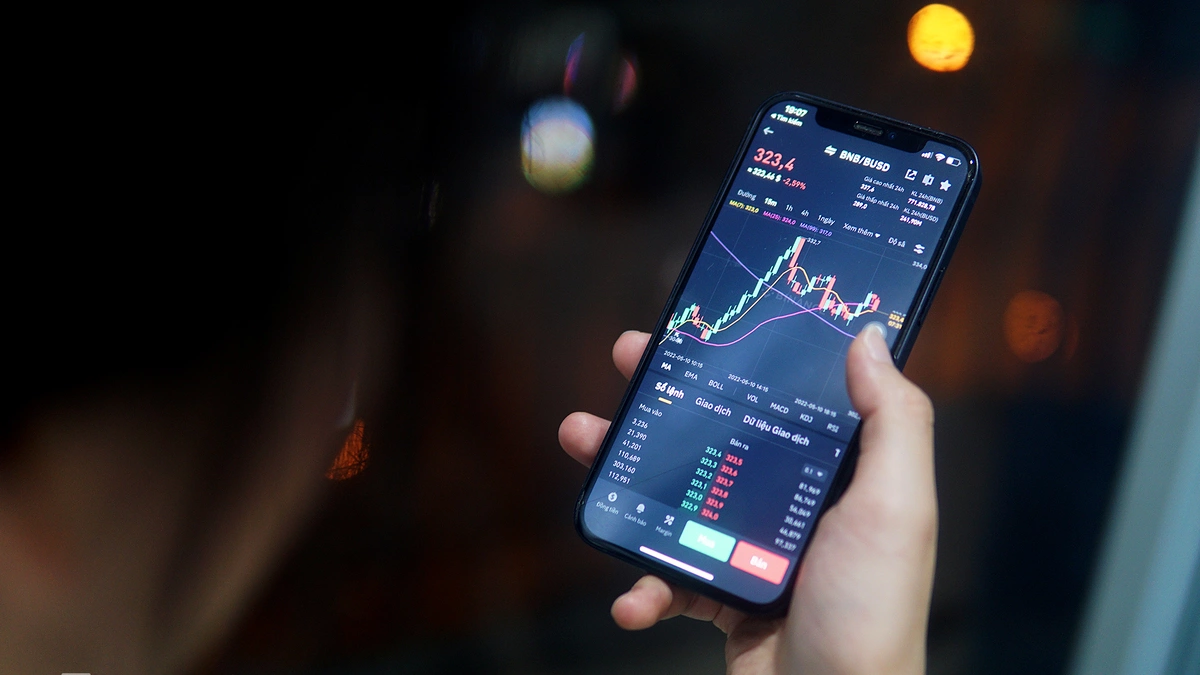
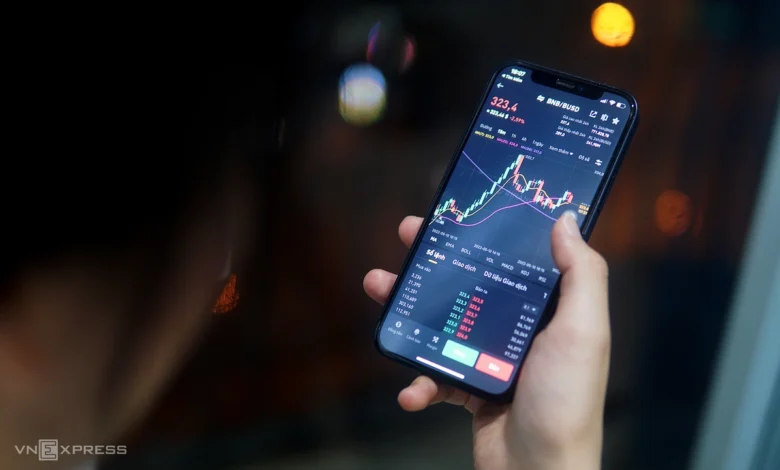
- Counterparty Risk: Without the escrow protection provided by established platforms, an investor may transfer funds or digital assets only to find the counterparty unresponsive.
- Source of Funds Risk: Even in a direct OTC transaction, if the counterparty’s funds are linked to criminal activity, the recipient remains liable. Banking institutions in Vietnam utilize sophisticated AI-driven monitoring systems that flag transactions associated with suspicious entities. If an OTC broker is found to be a conduit for illicit funds, the accounts of all their recent clients are at high risk of being flagged or frozen.
- Lack of Recourse: In a dispute, traditional courts may struggle to adjudicate claims involving digital assets that were traded outside of licensed entities. The absence of a "paper trail" or verifiable transaction hash in private, cash-heavy transactions makes recovery nearly impossible.
Expert Analysis: A Framework for Protection
JLo Tran, CEO of VBI Academy, emphasizes that the primary danger in the current market is the misconception that "offline" or "private" means "legal." She notes that many entities marketing themselves as "OTC Desks" or "Brokerage Firms" lack the requisite permits from the Ministry of Finance.
"Investors must adhere to the principle of ‘Three Consistencies’: the same person, the same account, and the same transaction content," Tran advises. "When dealing with large volumes, transparency is the only shield. One should document every stage of the trade, including the identities of both parties, the transaction hash, banking receipts, and the specific terms of the transfer."
Furthermore, it is essential to distinguish between a legitimate, licensed service provider and an informal group operating in a physical office. A physical location and a high volume of transactions do not constitute regulatory approval. The current legal trend is clear: the state is moving toward a model where only entities that provide full disclosure and undergo regular audits will be permitted to operate.
Broader Implications and Future Outlook
The implications for the Vietnamese market are profound. As the regulatory noose tightens, the reliance on offshore, unregulated P2P or OTC channels will become increasingly hazardous. Investors who continue to operate in these shadows face not only the loss of funds through account freezes but also potential criminal investigation as the government cracks down on illegal financial flows.
The ultimate goal of the current legislative trajectory is to integrate digital assets into the formal economy. Once the infrastructure for licensed exchanges is fully operational, the reliance on informal, high-risk trading methods will likely diminish. The "gold standard" for future investment will be the use of regulated, state-supervised entities that provide both legal protection and market transparency.
Recommendations for Investors
For those currently navigating the digital asset space, the following steps are strongly recommended:
- Verify Credentials: Before engaging with any OTC service, request proof of their license from the Ministry of Finance. If they cannot provide one, assume the service is unauthorized.
- Maintain Records: Always maintain a comprehensive log of communications, wallet addresses, and bank transfer receipts. In the event of an investigation, these documents are the only way to prove a lack of criminal intent.
- Avoid "Convenience" Shortcuts: Be wary of brokers who suggest using multiple bank accounts or obscure payment methods to "avoid" bank scrutiny. Such tactics are red flags for money laundering and are highly likely to lead to permanent account termination by financial institutions.
- Monitor Legal Updates: Stay informed regarding upcoming amendments to Decree 284. The legal landscape is fluid, and compliance requirements may change on short notice.
In conclusion, while the transition toward a regulated digital asset market in Vietnam presents challenges, it also offers a path toward a safer and more stable investment environment. Investors who prioritize compliance and due diligence over short-term convenience will be best positioned to weather the current period of market adjustment and thrive as the industry matures.