Incorporating avocado into your daily diet offers five significant health benefits supported by nutritional science

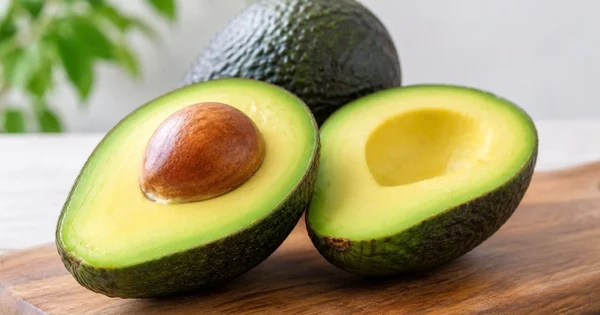
A healthy diet is not merely defined by the frequency of meals but, more importantly, by the deliberate selection of nutrient-dense food groups. In the modern pursuit of optimal wellness, nutritionists increasingly emphasize the importance of high-quality fats and dietary fiber as foundational pillars of human health. Among the various superfoods available in the global market, the avocado—scientifically known as Persea americana—has emerged as a nutritional powerhouse. According to Dr. Saurabh Sethi, a prominent gastroenterologist based in the United States, integrating avocado into one’s daily dietary regimen provides a multifaceted approach to health, spanning from cardiovascular protection to digestive efficiency.
The nutritional profile of the avocado is unique within the fruit kingdom. Unlike most fruits, which are predominantly composed of carbohydrates, the avocado is rich in monounsaturated fats—specifically oleic acid—and a significant amount of dietary fiber. Recent clinical observations and dietary studies underscore that regular consumption of this fruit can facilitate long-term health maintenance.
Cardiovascular Protection and Cholesterol Management
One of the most documented benefits of avocado consumption relates to heart health. The fruit contains high levels of monounsaturated fatty acids, which play a critical role in lipid management. When consumed as a substitute for saturated fats—such as those found in butter, lard, or processed meats—the healthy fats in avocados help lower low-density lipoprotein (LDL) cholesterol, often referred to as "bad" cholesterol.
The mechanism is straightforward: high levels of LDL cholesterol contribute to the buildup of plaque in the arteries, a condition known as atherosclerosis, which significantly increases the risk of heart disease and stroke. By replacing dietary saturated fats with the monounsaturated fats found in avocados, individuals can foster a more favorable lipid profile. Dr. Sethi notes that this substitution is one of the simplest yet most effective lifestyle interventions for those looking to improve cardiovascular biomarkers without the immediate need for pharmaceutical intervention.
The Role of Dietary Fiber in Gut Microbiome Health
The benefits of the avocado extend deep into the digestive system. A single medium-sized avocado contains approximately 10 grams of dietary fiber, a substantial portion of the recommended daily intake for an average adult. This fiber acts as a prebiotic, serving as a primary fuel source for beneficial gut bacteria.
The human microbiome—a complex ecosystem of bacteria residing in the digestive tract—relies on diverse fibers to maintain a healthy balance. When the gut bacteria ferment these fibers, they produce short-chain fatty acids (SCFAs) such as butyrate, which are essential for maintaining the integrity of the intestinal lining and reducing systemic inflammation. Consequently, a diet enriched with avocados supports a diverse and resilient microbiome, which is increasingly linked to improved immune function and metabolic health.
Digestive Regularity and Constipation Mitigation
Beyond its role in the microbiome, the fiber content in avocados is instrumental in promoting mechanical digestive health. Fiber adds bulk to the stool and retains water, which facilitates smoother transit through the gastrointestinal tract. This is a critical factor for individuals suffering from chronic constipation or irregular bowel movements.
From a clinical perspective, the inclusion of 10 grams of fiber per avocado helps bridge the "fiber gap" that plagues many Western-style diets. For individuals who struggle with sluggish digestion, the regular, controlled consumption of avocados serves as a natural, food-based remedy that assists in maintaining consistent digestive cycles, thereby reducing the discomfort associated with constipation.
Satiety and Weight Management Implications
One of the persistent challenges in modern weight management is the feeling of hunger between meals, which often leads to the consumption of high-calorie, low-nutrient snacks. The combination of healthy fats and fiber in avocados creates a synergistic effect that promotes satiety.
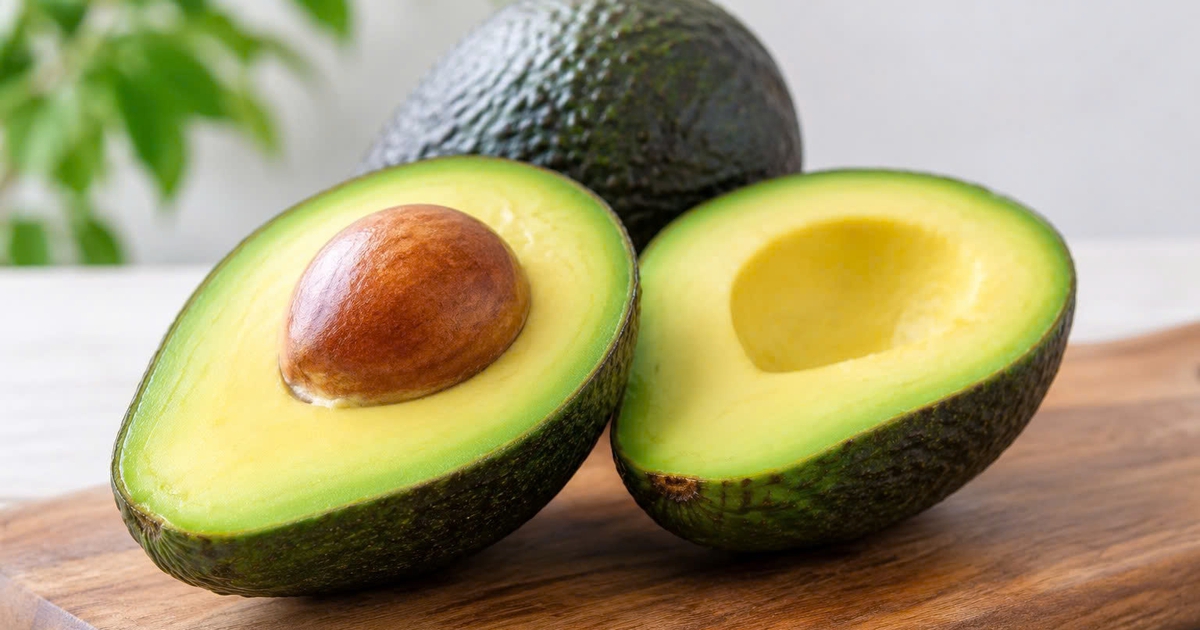
When fat and fiber are consumed together, they slow the gastric emptying rate—the speed at which food leaves the stomach. This physiological response keeps blood sugar levels more stable and extends the duration of fullness after a meal. While avocados are calorically dense, their ability to reduce post-meal hunger can prevent overeating later in the day. Nutritionists advise, however, that because of their energy density, portion control remains essential, particularly for those actively monitoring their total caloric intake for weight loss goals.
Blood Pressure Regulation and Potassium Intake
The final, often overlooked benefit of the avocado is its high potassium content. Potassium is an essential mineral that acts as an electrolyte, regulating fluid balance and muscle contractions, including the beating of the heart. More importantly, potassium helps the body excrete excess sodium, which is a primary driver of hypertension (high blood pressure).
Many populations consume diets excessively high in sodium and deficient in potassium, a disparity that puts significant strain on the cardiovascular system. By incorporating potassium-rich foods like avocados, individuals can help mitigate the blood-pressure-raising effects of sodium. This mineral balance is vital for long-term vascular health, reducing the workload on the heart and helping to maintain blood pressure within a healthy range.
Contextualizing Nutrition in Modern Medicine
While the nutritional value of the avocado is supported by clinical evidence, it is crucial to understand these benefits within the broader context of medical science. Dr. Sethi and other health experts emphasize that food is a therapeutic tool, not a cure-all. Avocado consumption should be viewed as a component of a balanced diet rather than a replacement for necessary medical treatments.
For patients already managing conditions such as hyperlipidemia or hypertension, dietary adjustments are intended to work in tandem with, not in lieu of, prescribed medications. Furthermore, specific medical conditions require specialized dietary caution. For instance, individuals suffering from chronic kidney disease must often limit their potassium intake, as their kidneys may be unable to filter excess minerals efficiently. In such cases, the high potassium content of an avocado—while generally beneficial for the healthy population—could pose a clinical risk. Patients with pre-existing medical conditions are always advised to consult with a primary care physician or a registered dietitian before making significant changes to their daily dietary intake.
Historical and Global Perspectives
The popularity of the avocado has seen a meteoric rise over the past two decades. Once considered a niche agricultural product, the avocado has become a global commodity. This shift is not merely a trend in culinary preference but a reflection of a growing global awareness regarding the health impacts of dietary fat sources.
Historically, the "low-fat" movement of the late 20th century inadvertently led many consumers toward high-sugar, highly processed carbohydrate alternatives. As nutritional science evolved, the focus shifted from "all fats are bad" to the distinction between harmful trans fats, excessive saturated fats, and beneficial unsaturated fats. The avocado stands at the forefront of this nutritional evolution, representing a transition toward whole-food sources of essential fatty acids.
Analytical Summary of Health Impacts
The implications of integrating avocados into the daily diet are significant. By addressing multiple physiological needs—cholesterol regulation, gut health, digestive regularity, appetite control, and blood pressure management—the avocado provides a dense "nutrient package."
However, as with any dietary recommendation, sustainability and moderation are key. The most effective health outcomes are achieved when avocado consumption is integrated into a lifestyle that includes a variety of other vegetables, lean proteins, and complex carbohydrates. The "superfood" label is often applied loosely in modern media, but in the case of the avocado, the physiological evidence for its role in disease prevention and health optimization is robust.
In conclusion, as our understanding of nutrition continues to refine, the role of simple, whole-food interventions becomes increasingly clear. Whether mashed on whole-grain toast, sliced into a salad, or consumed as a snack, the avocado offers a scientifically backed pathway to improved long-term health outcomes. By focusing on the quality of our dietary choices, we can effectively leverage the natural compounds in foods like the avocado to support the body’s complex, interconnected systems.