The United States Trade Representative (USTR) has issued a preliminary finding regarding potential additional tariffs on Vietnamese exports, signaling a critical juncture in bilateral trade relations. According to the Ministry of Industry and Trade (MOIT) of Vietnam, while the current proposal suggests an additional duty of up to 35% on specific categories of Vietnamese goods, there remains a viable pathway to reduce this figure to 20%. This potential reduction is contingent upon the successful negotiation and finalization of a comprehensive, transparent, and balanced bilateral trade agreement between Hanoi and Washington.
Context and Regulatory Framework
On November 25, the USTR released its preliminary findings following an investigation initiated under Section 301 of the Trade Act of 1974. This investigation centers on concerns regarding excess industrial capacity and systemic production imbalances within the manufacturing and processing sectors. Vietnam is one of 14 global economies currently under scrutiny in this investigation, which aims to address perceived distortions in the global supply chain that the U.S. administration argues negatively impact its domestic manufacturing base.
The Section 301 investigation is a potent tool in American trade policy, designed to counter "unreasonable or discriminatory" trade practices. In the current context, the U.S. is specifically targeting products that are perceived to be benefiting from state-led industrial policies or, in some cases, the transshipment of third-country goods through Vietnam to bypass existing U.S. trade barriers.
Chronology of the Trade Investigation
The progression of this investigation has been swift, creating a sense of urgency for Vietnamese trade officials. The timeline for these proceedings is structured as follows:
- November 21, 2026: The Vietnamese Government issued a strategic plan for managing trade surpluses for the 2026–2030 period. This plan focuses on preventing production overcapacity, combating origin fraud, and addressing illegal transshipment, as well as monitoring labor standards.
- November 25, 2026: The USTR published its preliminary findings from the Section 301 investigation.
- January 25, 2027 (Scheduled): The USTR is set to begin a public hearing and comment period to gather input from stakeholders before finalizing tariff levels and exemption lists.
- February – March 2027 (Projected): A final decision is expected to be issued, with the earliest possible date being in February and the latest by March 11, 2027.
Supporting Data and Trade Volume
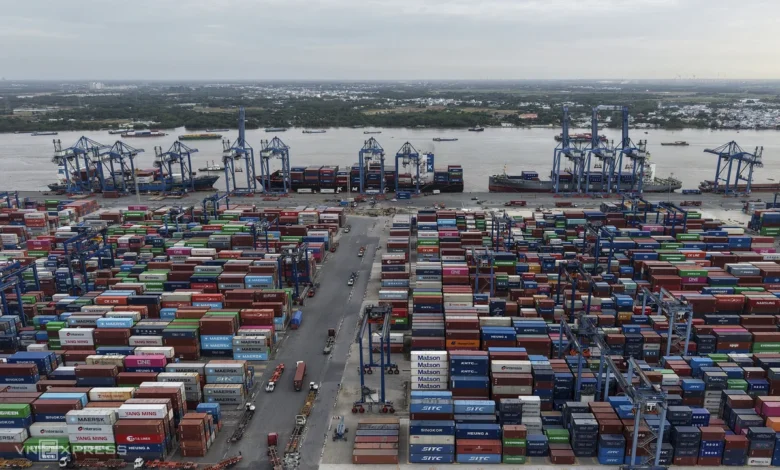
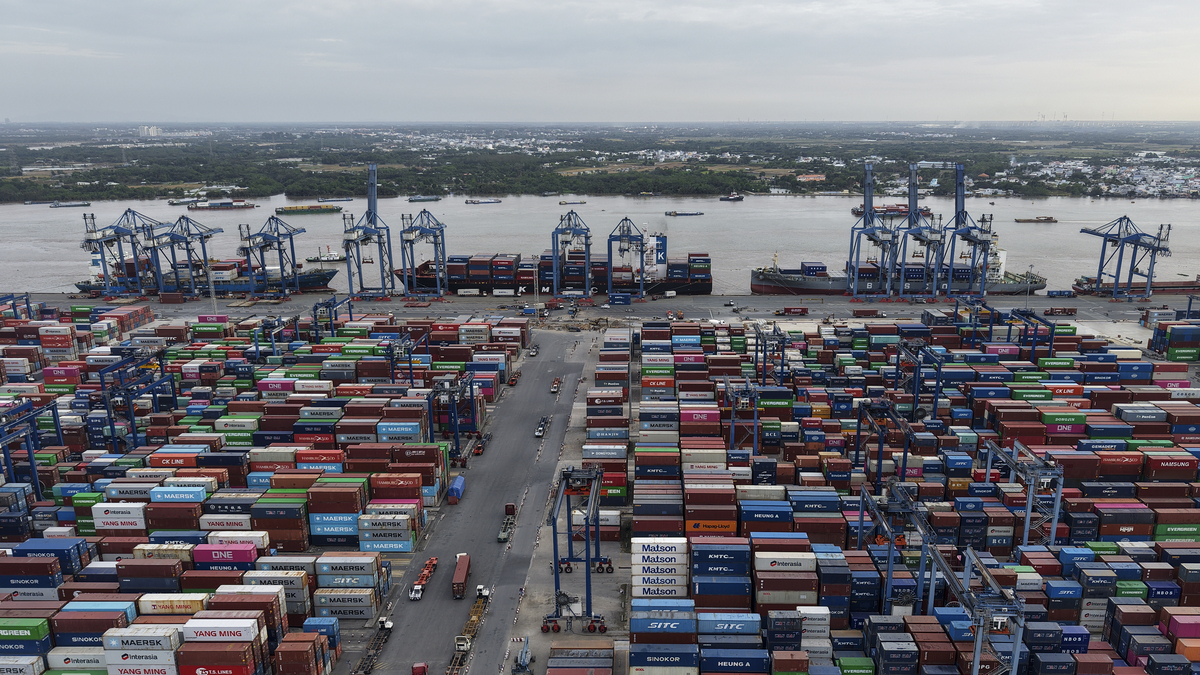
Vietnam’s economic growth has been heavily reliant on its export-oriented manufacturing sector, with the United States remaining its largest export market. According to data from the General Statistics Office of Vietnam, total import-export turnover reached approximately $1.001 trillion in the first ten months of the year, already surpassing the full-year figures for 2025.
Of this total, exports to the United States accounted for $159.4 billion during the same ten-month period. Customs authorities have projected that annual export growth could exceed 25%, significantly outperforming the government’s initial target of 15–16%. This rapid expansion, while indicative of Vietnam’s industrial competitiveness, has also placed the country under increased scrutiny by trading partners concerned about trade imbalances and market access.
Official Responses and Diplomatic Strategy
The Ministry of Industry and Trade has maintained a composed stance, emphasizing that the USTR’s announcement is a preliminary finding rather than an enacted policy. A spokesperson for the Ministry stated, "This is merely a proposal from the USTR; it does not have immediate legal effect and is not yet officially applied."
To mitigate the impact of these proposed tariffs, the Vietnamese government has committed to a series of proactive measures:
- Direct Engagement: The MOIT will coordinate with other ministries to participate in the public hearing phase in early 2027, presenting Vietnam’s position and addressing specific inquiries from the U.S. side.
- Formal Rebuttal: The government intends to submit a formal rebuttal to the preliminary findings, highlighting the structural changes and enforcement mechanisms already in place to ensure fair trade.
- Bilateral Negotiations: High-level talks are underway to finalize a new bilateral trade agreement. The MOIT believes that if the USTR evaluates these bilateral efforts as having "significant progress," the tariff rates could be adjusted downward significantly.
Implications for the Manufacturing Sector
The threat of a 35% tariff poses a substantial risk to sectors such as textiles, electronics, and processed agricultural goods, which rely heavily on the U.S. market. A tariff at this level would likely lead to a shift in supply chain dynamics, potentially forcing manufacturers to reconsider their production strategies.
However, the possibility of a reduced 20% tariff—or even lower, should negotiations succeed—provides a clear incentive for Vietnam to align more closely with U.S. trade expectations. The government’s recent focus on "transshipment control" and "origin verification" is a direct response to U.S. concerns about third-party goods using Vietnam as a "pass-through" to avoid tariffs. By tightening these regulations, Vietnam hopes to demonstrate its commitment to a transparent trade relationship.
Broader Economic Impact and Future Outlook
The current trade tension is not isolated; it reflects a broader global trend where major economies are increasingly protecting domestic industries against perceived foreign overcapacity. For Vietnam, the challenge is to maintain its status as a global manufacturing hub while navigating the complex regulatory environment of its primary trade partner.
If the USTR proceeds with these tariffs, it could lead to increased operational costs for U.S. companies that have invested heavily in Vietnamese manufacturing. Conversely, a successful negotiation could cement a more stable, long-term trade partnership that benefits both nations.
Industry analysts suggest that the coming months will be decisive. The focus will likely remain on the "fairness" of trade, with Vietnam’s ability to prove that its industrial growth is driven by organic competitiveness rather than prohibited state subsidies. Furthermore, the U.S. government’s willingness to grant exemptions—already covering 2,121 items under 8-digit HS codes—suggests that there is room for nuance in the final tariff structure.
As the deadline for the final decision approaches, the international business community remains in a "wait-and-see" mode. Investors and supply chain managers are closely monitoring the bilateral negotiations, as the outcome will dictate the cost structure for thousands of products entering the U.S. market from Southeast Asia. For now, the Ministry of Industry and Trade continues to prioritize diplomatic resolution, hoping that proactive cooperation will secure a favorable outcome for the nation’s export economy.