Hospital E Initiates High-Level Investigation and Suspends Management Following Allegations of Kickbacks for Early Cancer Radiation Therapy

The healthcare community in Hanoi, Vietnam, has been shaken by emerging allegations of financial misconduct and systemic malpractice at the Department of Radiation Oncology at Hospital E. Recent reports and patient testimonies have brought to light serious accusations that vulnerable cancer patients undergoing critical radiotherapy procedures were allegedly solicited for illicit "tea money" or informal payments to secure expedited treatment schedules. In response to these grave allegations, the leadership of Hospital E, alongside local law enforcement authorities, has swiftly mobilized to initiate a comprehensive, multi-agency investigation. The unfolding crisis has not only prompted immediate administrative suspensions for key managerial staff within the department but has also reignited broader national conversations concerning transparency, medical ethics, and the systemic pressures facing public healthcare infrastructure in Vietnam.
Patient Testimonies and Alleged Irregularities at the Department of Radiation Oncology
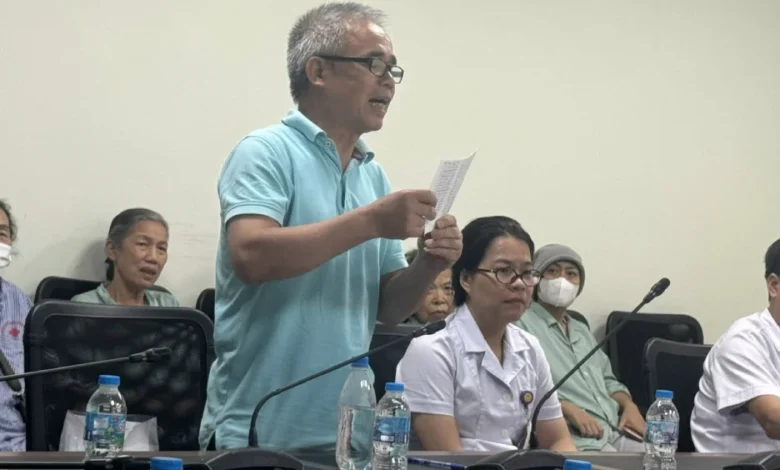
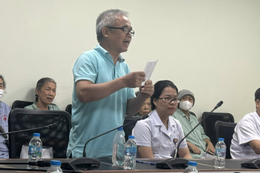
The controversy came to public attention following a series of patient accounts detailing transactional expectations during their course of cancer care. Mr. L.D.H., a patient hailing from Thanh Ha, Hai Phong, who was transferred to Hospital E from the Friendship Hospital, shared his experiences after completing ten days of treatment at the facility. According to Mr. H., while the general admission and orientation processes—ranging from simulation and blood collection to the final administration of radiotherapy—were managed methodically, whispers and pervasive expectations of informal tipping cast a shadow over the clinical environment. He noted that while patients transferred from the Friendship Hospital were ostensibly prioritized according to established treatment protocols, rumors persisted among patients regarding the necessity of offering small informal payments to secure immediate attention. He recounted instances where patients, anxious about long queues, reportedly slipped modest sums, such as 50,000 Vietnamese Dong, to staff to bypass waiting times or receive preferential scheduling.
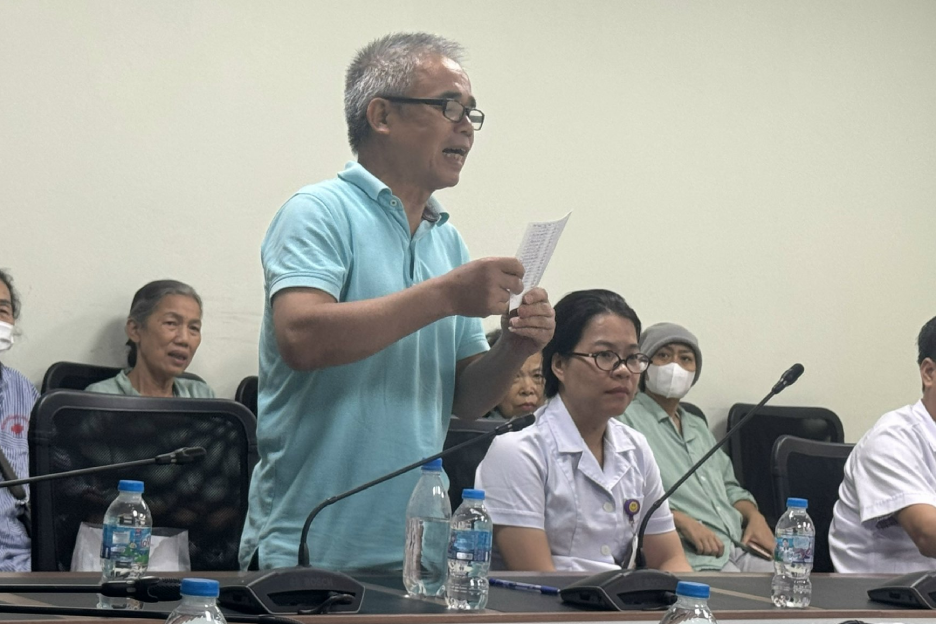
Echoing similar concerns, Mr. T.V.T., a resident of Ha Tinh province who has been undergoing cancer treatment since 2021, recounted his transition to Hospital E. Mr. T. admitted that upon hearing rumors regarding the necessity of tipping staff, he proactively attempted to offer 500,000 Vietnamese Dong to personnel during the simulation phase. However, he stated that the staff member refused the money. He further noted that during subsequent computed tomography (CT) and simulation procedures, he attempted to offer smaller tips of 100,000 Dong, which were similarly declined by the healthcare workers. By the time of a formal patient dialogue meeting, Mr. T. had completed 21 radiotherapy sessions at Hospital E without successfully offering or paying any informal fees to doctors or nurses.
Conversely, other patients emphasized that the scheduling of radiotherapy is dictated by complex physiological requirements rather than financial transactions. Mr. V.H.H., a 70-year-old patient from Hanoi undergoing treatment for prostate cancer, shared that he had completed 37 consecutive sessions of radiotherapy at Hospital E. He explained that for prostate cancer radiation protocols, patients are medically required to consume specific volumes of water and maintain a full, rigid bladder before the procedure can commence. Consequently, the scheduling sequence for radiotherapy cannot be arranged purely on a first-come, first-served basis or manipulated solely through financial incentives, as it must align strictly with each patient’s physiological preparation.
Swift Administrative Action and Intervention by Law Enforcement
Confronted with these deeply concerning allegations, the administration of Hospital E acted with unprecedented speed. Dr. Phan Thao Nguyen, Deputy Director of Professional Affairs at Hospital E, directly addressed patients and stakeholders during a formal dialogue session, announcing that the hospital had officially ordered a thorough internal verification process. Recognizing the severity of the situation and the necessity for absolute transparency, the hospital leadership proactively invited the Department of Internal Political Security (PA03) of the Hanoi City Police to participate in the investigation.
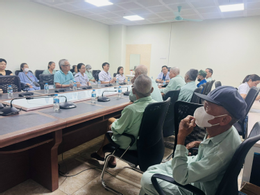
The scope of the joint investigation is comprehensive, aiming to untangle factual realities from systemic rumors. Investigators are tasked with determining whether medical personnel accepted unauthorized funds, the specific contexts and amounts involved in any reported transactions, and whether patients were explicitly solicited for informal payments. Furthermore, the investigation is examining critical operational questions: specifically, whether patients who declined to pay experienced deliberate delays in their life-saving treatment, and conversely, whether those who offered tips received preferential scheduling advantages.
Dr. Nguyen maintained a firm and uncompromising stance regarding institutional accountability, explicitly affirming that if the investigation uncovers verifiable wrongdoing or misconduct by any staff members, the hospital will administer strict disciplinary actions in accordance with legal and regulatory frameworks. At the same time, hospital representatives urged caution, emphasizing that preliminary findings must be established objectively. They cautioned against generalizing the actions of isolated individuals to the entire multidisciplinary team at the Department of Radiation Oncology, reiterating the hospital’s official position that staff members proven to engage in unethical practices must bear full personal responsibility.
Institutional Response and Strict Reporting Deadlines
The institutional crisis has triggered immediate administrative consequences. Following emergency meetings of the Board of Directors, key individuals holding management and supervisory positions within the Department of Radiation Oncology were immediately suspended from their administrative duties pending the conclusion of the investigation. This decisive action is intended to prevent any potential interference with the ongoing inquiry and to restore public confidence in the hospital’s governance structures.
Hospital E operates under a strict mandate from supervisory health authorities, with a formal deadline to complete its comprehensive investigative report and submit its findings to the Ministry of Health. The final results of the police and internal hospital verification will serve as the definitive legal and administrative baseline upon which further disciplinary measures, employment terminations, or legal prosecutions will be evaluated for any implicated personnel.
Broader Implications for Vietnam’s Public Healthcare Sector
The unfolding events at Hospital E highlight systemic vulnerabilities within tertiary public medical institutions across Vietnam, particularly within high-demand oncology departments. Cancer care facilities frequently grapple with severe capacity constraints, aging or limited high-tech machinery, and overwhelming patient volumes. These structural bottlenecks inevitably lead to extended waiting lists, heightened patient anxiety, and an environment where informal tipping—historically rooted in cultural expressions of gratitude—can dangerously blur into coerced corruption or transactional favoritism.
The infiltration of informal payments into oncology care carries profound ethical and clinical implications. For cancer patients, where timely intervention directly correlates with survival rates and disease progression, any perception that medical access can be manipulated through financial inducements inflicts severe psychological trauma on vulnerable individuals and undermines the foundational principles of medical equity. Public health experts note that while many healthcare professionals operate with unwavering integrity under immense systemic stress, isolated instances of corruption inflict disproportionate reputational damage on the entire medical profession.
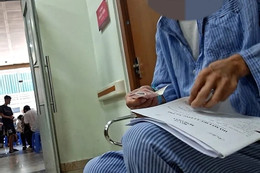
Moving forward, the case of Hospital E serves as a critical watershed moment for public hospital administration in Vietnam. The proactive engagement of law enforcement and the swift suspension of managerial staff signal a shifting regulatory tolerance toward informal practices in healthcare. To restore enduring trust, public hospitals must implement robust systemic reforms, including transparent digital queuing systems, enhanced internal compliance monitoring, and open communication channels that empower patients to report grievances without fear of clinical retaliation. As the Ministry of Health awaits the final investigative report, the healthcare sector watches closely, recognizing that the outcome will set a vital precedent for governance, accountability, and patient rights nationwide.