Philippines Secures Crucial Victory Over Iran, Boosting Quarterfinal Hopes in AFC Women’s Asian Cup

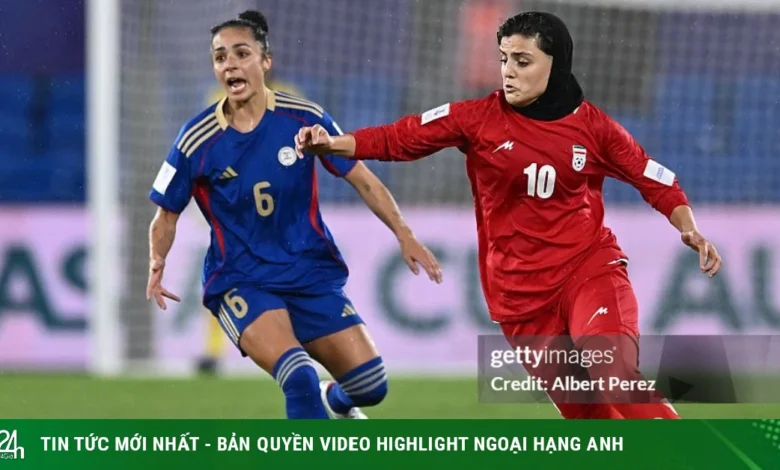
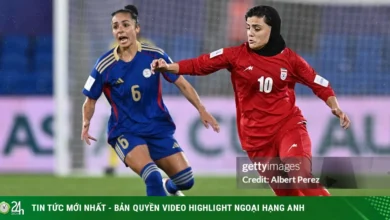
In a pivotal Group A encounter at the AFC Women’s Asian Cup 2026, the Philippines women’s national football team, reigning Southeast Asian Games champions, delivered a commanding 2-0 victory over Iran. This decisive win, achieved on Sunday, March 8, 2026, at 18:37 PM (GMT+7), significantly bolstered the Philippines’ aspirations for a historic quarterfinal berth as one of the best third-placed teams, pending the outcomes of other group stage matches. The match, played with palpable tension and high stakes, saw the Filipinas overcome initial struggles to dominate their West Asian counterparts, securing three vital points and marking a significant moment in their continental campaign.
Background and Tournament Stakes
The AFC Women’s Asian Cup stands as the pinnacle of women’s football in Asia, serving not only as a continental championship but also as the primary qualification tournament for the FIFA Women’s World Cup. Held quadrennially, the 2026 edition features 12 of Asia’s top national teams, divided into three groups of four. The format dictates that the top two teams from each group, along with the two best third-placed teams across all groups, will advance to the knockout stages. This unique qualification pathway places immense pressure on teams to perform consistently, even those who find themselves struggling for direct qualification.
Both Iran and the Philippines entered this final Group A fixture with their backs against the wall, having suffered defeats in their preceding two matches. For Iran, a relatively new entrant on the continental stage, the tournament represented an opportunity to gain invaluable experience against more established footballing nations. Their participation underscored the growing development of women’s football across West Asia, a region traditionally less prominent in the global women’s game. Despite their valiant efforts in previous matches, Iran had found themselves outmatched by the higher-ranked teams in their group, making this match their final chance to salvage some pride and potentially disrupt the qualification calculus.
The Philippines, on the other hand, arrived at the tournament with a surge of momentum following their recent triumph at the Southeast Asian Games, a testament to the rapid growth and investment in women’s football within the archipelago. Their squad, a blend of experienced local talents and foreign-based players with diverse footballing backgrounds, harbored ambitions of translating regional success into continental recognition. While their initial group stage performances had not met expectations, this match against Iran offered a lifeline – a chance to secure three points and position themselves favorably in the race for a "lucky loser" spot, a scenario that many had anticipated given the challenging group draw. The stakes were clear: a win for either side was essential to keep their tournament dreams alive, albeit through the intricate mechanism of the third-placed team rankings.

Match Chronology: A Battle of Resilience and Clinical Finishes
From the opening whistle, the intensity of the occasion was evident. Both teams understood the critical nature of the match, leading to a cautious yet determined start. The first half saw the Philippines gradually assert their dominance, demonstrating a clear intent to control possession and dictate the tempo of the game. Their midfielders worked tirelessly to win battles in the center of the park, creating a platform for their attacking players. Iran, while defensively organized, found themselves absorbing increasing pressure, relying on swift counter-attacks that rarely materialized into significant threats against the Filipinas’ well-drilled defense.
The breakthrough for the Philippines arrived in the 29th minute, a moment of individual brilliance and collective effort that ignited their campaign. The goal came from Sara Eggesvik, a dynamic midfielder with a notable pedigree, having previously represented Norway at the U23 level. Eggesvik, known for her vision and ability to unlock defenses, found herself in a promising position. Capitalizing on a momentary lapse in the Iranian defense, she unleashed a precise strike that nestled into the back of the net, sending a wave of relief and exhilaration through the Philippine camp. The goal not only put the Philippines ahead but also provided a crucial psychological boost, affirming their superiority in the opening exchanges and validating their attacking approach. It was a well-executed finish, a testament to her experience and composure under pressure, and precisely the kind of decisive action needed in such a high-stakes encounter.
As the second half commenced, the Philippines maintained their aggressive stance, continuing to exert relentless pressure on the Iranian goal. The early lead had injected confidence into their play, allowing them to express themselves more freely. Wave after wave of attacks tested the Iranian backline, which, despite its resilience, began to show signs of fatigue under the sustained onslaught. The Filipinas showcased their tactical discipline, rotating possession effectively and probing for weaknesses in the Iranian defense, creating several promising opportunities that narrowly missed their target.
Iran, recognizing the urgency of their situation, attempted to push forward in search of an equalizer, but their efforts were largely stifled by the Philippines’ robust midfield and vigilant defense. The tactical battle intensified, with both coaches making adjustments to influence the flow of the game. However, it was the Philippines who ultimately delivered the decisive blow in the 82nd minute. Chandler McDaniel, an influential figure in the Philippines’ attack, seized upon an opportunity, converting a chance with a clinical finish that doubled her team’s lead. McDaniel’s goal was a culmination of the Philippines’ persistent attacking efforts, sealing the victory and effectively extinguishing any hopes of an Iranian comeback. It was a well-deserved goal, reflecting the Filipinas’ overall dominance and their ability to convert chances when it mattered most. The 2-0 scoreline accurately reflected the balance of play, with the Philippines demonstrating superior attacking prowess and defensive solidity.
Qualification Scenarios and Broader Implications

With this crucial 2-0 victory, the Philippines concluded their Group A fixtures with three points from three matches, placing them third in their group. More importantly, these three points and a goal difference of -2 (two goals scored, four conceded) propelled them into a strong position in the race for one of the two coveted "best third-placed" spots in the quarterfinals. This achievement marks a significant milestone for the Philippine women’s national team, highlighting their continued ascent in Asian football.
As of the conclusion of their match, the Philippines temporarily held the leading position among the third-placed teams. However, their qualification fate remained intertwined with the results from other groups. Notably, the situation in Group C presented a key determinant for the Philippines. Vietnam, another Southeast Asian contender, had accumulated three points from their first two matches with an impressive goal difference of 0. Their final group stage match against powerhouse Japan, a perennial contender in women’s football, was yet to be played. Should Vietnam manage a draw or even a narrow defeat against Japan, maintaining a superior goal difference compared to the Philippines, they would likely secure a more favorable position or even direct qualification, depending on other results. Conversely, a heavy defeat for Vietnam could open the door further for the Philippines. Uzbekistan, another third-placed contender from a different group, had 0 points from two matches with a goal difference of -6, placing them significantly behind the Philippines and making their qualification highly improbable.
The implications of this victory extend beyond mere tournament progression. For the Philippines, a quarterfinal appearance would represent a historic achievement, showcasing the tangible results of their national football program’s development efforts. It would undoubtedly inspire a new generation of female athletes and further elevate the profile of women’s football in the country. This success is not just about points on a table; it’s about building a legacy and demonstrating that teams from emerging football nations can compete at the highest continental levels.
For Iran, while eliminated, their participation in the AFC Women’s Asian Cup offers invaluable experience. Competing against stronger opponents exposes their players to higher standards of play and tactical sophistication, which is crucial for their long-term development. The challenges faced will serve as a learning curve, guiding future strategies for player development, coaching, and infrastructure improvements within Iranian women’s football. Their resilience, even in defeat, underscores the growing passion for the sport in the region.
Statements and Reactions
Following the match, the atmosphere in the Philippine camp was one of jubilation and cautious optimism. Head coach, Alen Stajcic, praised his team’s character and fighting spirit. "We knew this would be a tough tournament, and we faced formidable opponents. But the team showed incredible resilience and determination today," he stated in a post-match press conference. "To come back from two defeats and secure this crucial win speaks volumes about their belief and commitment. Sara and Chandler delivered when it mattered most. Now, we watch and hope, but we’ve done our part."
Goal scorer Sara Eggesvik shared her excitement: "It feels amazing to contribute to such a vital win. We fought for every ball, and we knew we had to leave everything on the pitch. This team has a lot of heart, and we truly believe we deserve to be in the quarterfinals." Chandler McDaniel echoed her teammate’s sentiments: "Scoring the second goal was a huge relief. It secured the points and gave us a bit of breathing room. We’re proud of what we achieved today, and we’re ready for whatever comes next."
On the Iranian side, while naturally disappointed with the outcome, there was also a sense of pride in their team’s effort against a well-drilled opponent. The Iranian coach acknowledged the quality of the Philippine team and emphasized the learning experience. "It was a challenging match, and the Philippines played well. We fought hard, but we made some mistakes that were capitalized on," remarked the Iranian coach. "This tournament has been a valuable lesson for us. We will analyze our performances, learn from our weaknesses, and come back stronger in future competitions. The development of women’s football in Iran remains our priority."
Broader Impact and Future Outlook
The AFC Women’s Asian Cup 2026 continues to deliver compelling storylines and unpredictable results, underscoring the increasing competitiveness within Asian women’s football. The Philippines’ victory against Iran is a prime example of how emerging nations are challenging established hierarchies and demonstrating their potential on the continental stage. This outcome also adds an intriguing layer to the "best third-placed" qualification race, keeping fans and analysts alike on the edge of their seats as other group stage matches conclude.
For Southeast Asian football, the strong performance of the Philippines, alongside Vietnam’s commendable showing, signifies a growing regional strength. These teams are not just participating; they are actively competing and demonstrating that they can contend for knockout stage berths, a positive indicator for the future of women’s football in the ASEAN region. As the tournament progresses, all eyes will be on the remaining fixtures, particularly Vietnam’s clash with Japan, to determine the final lineup for the quarterfinals. Regardless of the ultimate outcome, the Philippines’ journey in this tournament has already etched a memorable chapter, symbolizing ambition, resilience, and the relentless pursuit of excellence in Asian women’s football. The stage is set for an exhilarating conclusion to the group stages and a thrilling knockout phase, promising more drama and historic moments in the days to come.
Related posts: