Meditation, sun exposure, and steam baths: clarifying the benefits and medical misconceptions in cancer care

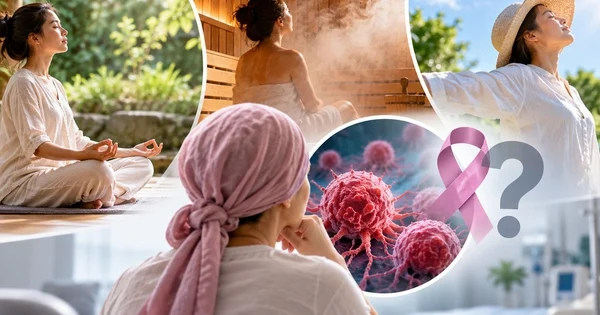
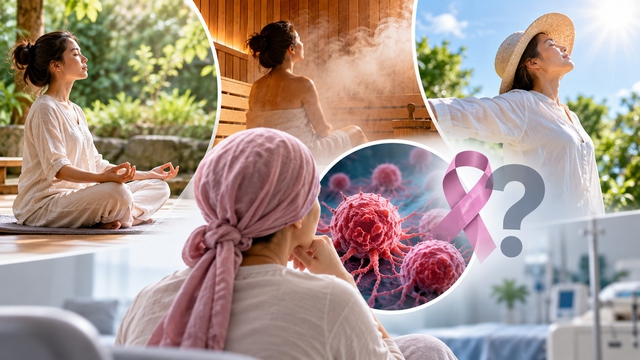
In an era defined by the rapid proliferation of health-related content across social media platforms, the line between evidence-based medicine and pseudoscientific wellness trends has become increasingly blurred. Recent digital discourse has promoted a variety of lifestyle adjustments—ranging from prolonged sun exposure during peak ultraviolet (UV) hours and high-temperature steam baths to restrictive "starvation" diets—under the guise of "detoxification," immune system enhancement, and cancer eradication. Medical professionals, however, are issuing urgent warnings against these practices, emphasizing that while certain habits can support holistic well-being, they are no substitute for established, clinically validated cancer treatments.
The Rise of Digital Wellness Misinformation
The phenomenon of promoting "natural" cures for complex medical conditions is not new, but the velocity at which it spreads via algorithmic social media feeds has reached an unprecedented scale. Influencers and self-proclaimed wellness gurus frequently package ancient practices—such as fasting or heat therapy—with modern, scientifically unverified claims. For patients battling oncology-related challenges, these promises of a "cure" can be profoundly appealing, particularly when traditional treatments such as chemotherapy, radiation, or surgery involve significant physical and psychological side effects.
Medical experts note that the danger lies in the conflation of "supportive care" with "curative intent." When patients adopt extreme regimens, they risk delaying or abandoning life-saving medical interventions, which can lead to rapid disease progression and irreversible health complications.
Medical Analysis of Popular Wellness Trends
To understand the risks, it is necessary to examine these claims through the lens of modern oncology and physiology. Dr. Dang Dinh Duong, a specialist at the Department of Oncology at the Thu Duc General Hospital in Ho Chi Minh City, has been at the forefront of clarifying these misconceptions.
The Fallacy of "Thermal" and "Radiant" Cures
One of the most concerning trends is the belief that high-temperature steam baths or intentional sun exposure during peak UV hours (typically 9:00 AM to 11:00 AM) can "cook" or "neutralize" cancer cells. From a clinical perspective, this is not only scientifically baseless but actively harmful.
The human body requires a controlled, minimal amount of UV radiation to synthesize vitamin D, which is essential for bone health and immune function. However, prolonged exposure—especially during peak intensity—is a known carcinogen. Excess UV radiation damages cellular DNA, induces severe sunburn, causes ocular inflammation, and significantly elevates the risk of basal cell and squamous cell carcinomas, as well as melanoma. For patients already undergoing systemic treatments like chemotherapy, the skin is often hypersensitive, and such exposure can exacerbate toxicities or lead to severe dermatological complications.

Similarly, steam baths, while potentially relaxing, possess no curative properties against malignant tumors. When conducted at excessive temperatures or for prolonged durations, they can lead to dehydration, electrolyte imbalances, lightheadedness, and dangerous drops in blood pressure, placing unnecessary strain on the cardiovascular system.
The Dangers of Nutritional Extremism
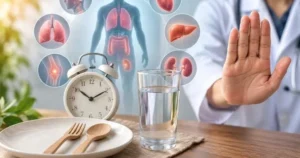
Nutrition is a cornerstone of cancer care, yet it is also the most common target for misinformation. Many social media channels advocate for complete elimination diets, claiming that removing all meat, fish, or dairy is necessary to "starve" cancer cells.
Dr. Nguyen Gia Hoang Vy of the Nutrition Research and Counseling Institute (NERCI) emphasizes that cancer patients are at a high risk of cachexia—a syndrome characterized by weight loss, muscle atrophy, and loss of appetite. Cancer treatments themselves often cause nausea, taste changes, and fatigue. When patients adopt restrictive, nutrient-poor diets, they accelerate muscle loss and diminish their physiological ability to tolerate the rigors of chemotherapy or surgical recovery.
There is no credible clinical evidence that total fasting or the radical removal of essential protein groups improves survival rates or enhances the efficacy of oncological treatment. On the contrary, clinical guidelines advocate for high-protein, energy-dense diets tailored to the patient’s specific metabolic needs.
A Chronology of Medical Concern
The medical community has observed a worrying trend over the last 24 months, where the influx of patients seeking "natural" alternatives has correlated with an increase in cases of late-stage diagnosis or complications resulting from non-medical self-care.
- Early 2025: Initial reports from oncology departments indicate a rise in patients presenting with malnutrition or electrolyte imbalance, linked to "detox" trends circulating on short-form video platforms.
- Mid-2025: Clinical studies and hospital audits begin to highlight the correlation between social media trends and the abandonment of standard-of-care protocols.
- Late 2026: Medical associations launch public awareness campaigns, specifically targeting the myths surrounding "alkalizing" the body and "starving" tumors, which remain prevalent despite consistent debunking.
Supporting Data and Clinical Reality
The disparity between social media promises and clinical outcomes is stark. For example, while moderate exercise and mindfulness meditation are recognized as legitimate supportive therapies for reducing stress, anxiety, and fatigue in cancer patients, they do not reduce tumor volume.
Data from major oncology centers consistently show that the most successful treatment outcomes occur when patients follow a multidisciplinary approach:
- Standard Therapy: Surgery, chemotherapy, immunotherapy, or targeted therapy as prescribed by an oncologist.
- Supportive Nutrition: Individualized meal plans designed to maintain lean body mass and hydration.
- Psychosocial Support: Meditation and therapy to manage the mental health burden of a cancer diagnosis.
The error arises when the third component (supportive care) is mistakenly elevated to the primary role of the first (curative treatment).
Implications for Patient Advocacy and Public Health
The broader impact of this misinformation is a crisis of trust. When patients are led to believe that they can "cure" cancer through simple lifestyle changes, they become disillusioned when those methods fail. This delay in seeking professional help often turns treatable cancers into terminal conditions.
Furthermore, the "wellness" industry’s pivot toward medical claims creates a dangerous environment where the burden of "curing" the disease is placed on the patient’s willpower and lifestyle choices. This shifts the focus away from evidence-based medicine and towards a culture of victim-blaming if the patient does not recover.
Expert Recommendations
Medical professionals advise patients to adhere to the following principles when evaluating health information:
- Consultation is Mandatory: Any change to diet, exposure to extreme physical stressors (like heat), or the introduction of new supplements must be cleared by the treating oncology team.
- Verify the Source: Information should be sought from peer-reviewed medical journals, national health ministries, or reputable oncology societies rather than social media influencers.
- Prioritize Sustenance: For those struggling with appetite, the goal should be consistent caloric intake rather than adherence to rigid, restrictive diets. Small, frequent, nutrient-dense meals are generally preferred.
- Assess the "Why": Ask whether a practice is intended to improve quality of life (e.g., meditation for anxiety) or to treat the cancer itself. If a practice claims to do the latter without clinical proof, it should be viewed with extreme skepticism.
In conclusion, while the human desire for gentle, accessible, and "natural" healing is understandable, it is critical that patients recognize the distinction between lifestyle management and medical treatment. Cancer is a complex biological disease that requires sophisticated, science-based intervention. By maintaining open communication with their medical providers and focusing on evidence-based supportive care, patients can better manage their health journey without falling prey to the increasingly sophisticated traps of digital health misinformation. The path to recovery is paved with verified science, not viral trends.