Netflix Expands Live-Action One Piece Universe with LEGO Miniseries Ahead of Highly Anticipated Season 3 Alabasta Saga

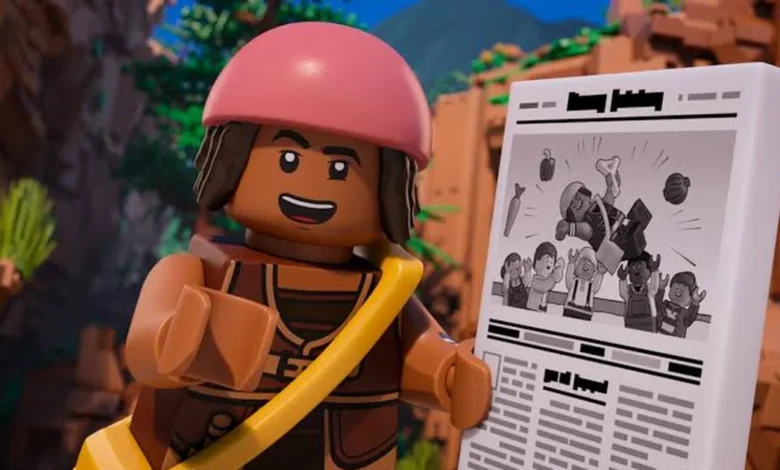
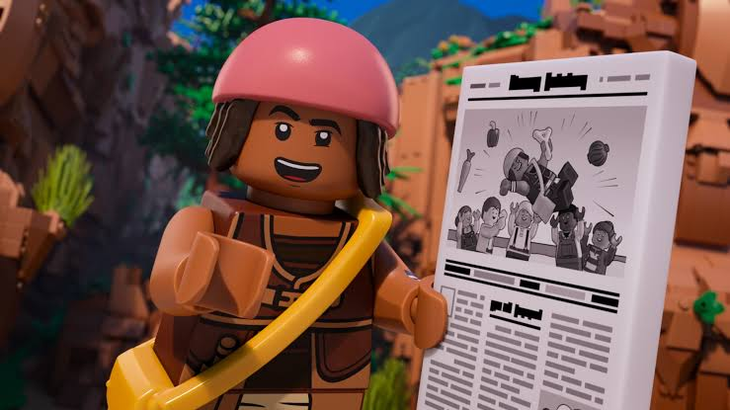
Netflix has officially announced the expansion of its immensely popular live-action One Piece universe with the release of LEGO One Piece, a brand-new two-part animated miniseries that debuted globally on September 29. The special project reimagines the sweeping narrative of the first two seasons of the live-action adaptation through the whimsical, brick-based animation style synonymous with LEGO. What sets this miniseries apart is its unique storytelling perspective: the entire grand voyage of the Straw Hat Pirates is recounted through the idiosyncratic and deeply exaggerated worldview of the crew’s resident marksman, Usopp.
The project has generated considerable buzz among fans and industry analysts alike, not only for its creative crossover appeal but also because it serves as a strategic promotional bridge leading up to the much-anticipated third season of the flagship live-action series. As Netflix continues to refine its strategy for adapting complex, long-running manga and anime properties into live-action formats, the introduction of spin-off media like LEGO One Piece demonstrates a concerted effort to maintain audience engagement during extended production hiatuses. By blending high-profile intellectual properties with universally recognized toy branding, the streaming giant has created a cross-promotional vehicle that appeals simultaneously to longtime followers of Eiichiro Oda’s original manga, dedicated viewers of the live-action series, and younger demographic segments drawn to LEGO animation.
An All-Star Voice Cast Returns to the Bricks
One of the most notable aspects of LEGO One Piece is the return of the primary live-action cast members, who reprise their respective roles by lending their voices to their brick-built animated counterparts. Iñaki Godoy steps back into the iconic straw hat as Monkey D. Luffy, bringing his signature boundless enthusiasm to the vocal performance. He is joined by Mackenyu as the stoic swordsman Roronoa Zoro, Emily Rudd as the clever navigator Nami, Jacob Romero as the imaginative and cowardly-yet-brave Usopp, and Taz Skylar as the fierce, chivalrous cook Sanji.
The involvement of the core main cast ensures a seamless sense of continuity between the live-action universe and this animated venture. Beyond the original five Straw Hats, the miniseries also incorporates key characters slated for major prominence in the upcoming second and third seasons of the live-action series. Charithra Chandran lends her voice to Miss Wednesday, providing a sneak peek into the multifaceted nature of her character before the live-action narrative fully explores her royal origins. Additionally, Mikaela Hoover voices the beloved and medically gifted reindeer, Tony Tony Chopper, offering fans an early auditory preview of how the character will be integrated into the broader ensemble.
The Usopp Lens: Comedy, Exaggeration, and Parody
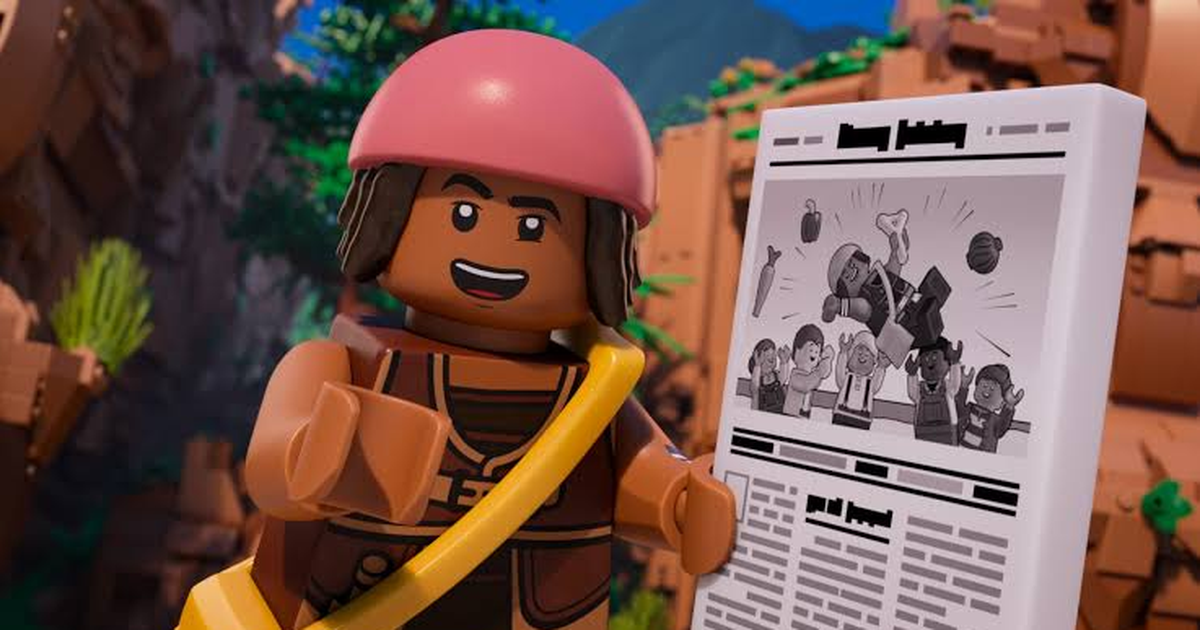
The creative framing device of LEGO One Piece relies heavily on Usopp’s penchant for tall tales and self-aggrandizement. Because the events of the first two seasons are filtered through his perspective, familiar narrative milestones undergo a humorous metamorphosis. Major battles are grandly exaggerated, perilous escapes become legendary triumphs of wit and daring, and minor hardships are recast as epic trials of survival where Usopp inevitably plays a far more central and heroic role than he actually did.
This self-referential humor provides a refreshing satirical layer to the narrative, allowing the creators to poke gentle fun at the conventions of shonen anime and live-action adaptations alike. The LEGO animation style naturally lends itself to physical comedy, allowing for slapstick gags, expressive brick-built facial reactions, and chaotic action sequences that would be prohibitively expensive or tonally inconsistent in a live-action medium. By opting for this playful, self-aware approach, Netflix has managed to deliver a companion piece that feels both fresh and affectionate toward the source material without undermining the dramatic stakes of the primary series.
Context and Franchise Timeline: Paving the Way for Alabasta
The launch of LEGO One Piece arrives at a pivotal moment for the live-action franchise. Since its debut, the live-action adaptation of Eiichiro Oda’s masterwork has defied the historical curse of live-action anime adaptations, earning critical acclaim and a massive global fanbase. Season 1 established the foundation of the world, introducing Luffy and assembling the core crew of the Straw Hat Pirates across the East Blue saga.
Production momentum has remained strong, with Season 2 slated for release in 2026, promising to expand the scope of the Grand Line and introduce a slate of fan-favorite characters. Meanwhile, Netflix has already confirmed that Season 3 will officially be titled One Piece: The Battle of Alabasta. Although an exact release date has not yet been announced, the streaming platform has projected a 2027 premiere window for the Alabasta arc.
Alabasta holds legendary status within the One Piece canon. In Eiichiro Oda’s original manga, the Alabasta arc represents a massive narrative turning point, transitioning the story from episodic island-hopping adventures into sprawling, geopolitically complex sagas. It introduces the clandestine criminal syndicate Baroque Works as the primary overarching antagonist, setting the stage for a high-stakes civil war within a desert kingdom.
Expanded Cast and High-Profile Additions for the Grand Line
As the live-action series transitions toward the Alabasta storyline, the scale of the production has expanded exponentially, reflected in a growing roster of high-profile casting announcements. Alongside returning stars, Season 2 and Season 3 introduce a formidable lineup of actors stepping into iconic roles.
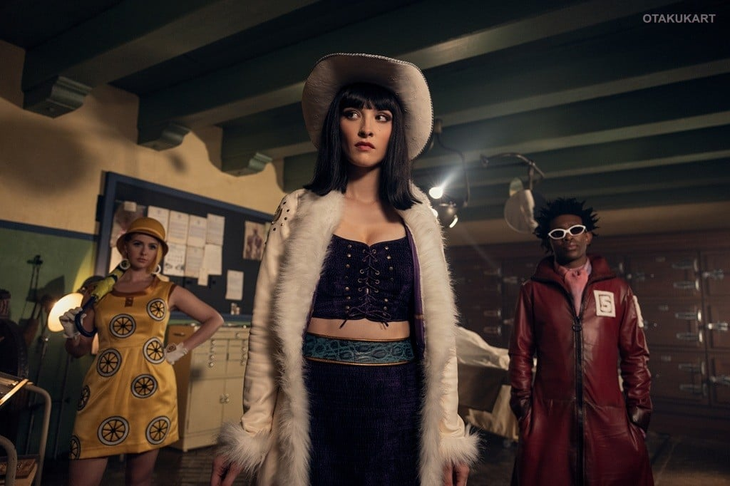
Mikaela Hoover will bring Tony Tony Chopper to life, while Charithra Chandran portrays the enigmatic Princess Vivi (initially operating under her alias, Miss Wednesday). The royal lineage of Alabasta is further rounded out by Sendhil Ramamurthy as King Nefertari Cobra. The sinister operatives of Baroque Works feature an impressive ensemble: Joe Manganiello takes on the formidable role of the primary antagonist, Sir Crocodile, while Lera Abova embodies the mysterious and brilliant archaeologist Nico Robin (Miss All Sunday).
Further expanding the cast of characters that populate the Grand Line, the production has enlisted Xolo Maridueña to play Portgas D. Ace, Luffy’s adoptive brother. Cole Escola steps into the flamboyant and theatrical shoes of Mr. 2 Bon Clay, while Awdo Awdo portrays Mr. 1. The supporting factions of Alabasta are equally fleshed out, with Daisy Head as Miss Doublefinger, Emilio Sakraya as the rebel leader Koza, Omid Abtahi as Toto, Jamie Ward as Pell, and Nabeel Khan as Chaka.
Industry Implications and Strategic Streaming Longevity
The release of LEGO One Piece underscores a sophisticated cross-media strategy by Netflix. Translating live-action fantasy epics into different animation formats is a proven method for maintaining audience mindshare during the lengthy post-production cycles required for high-budget visual effects-heavy series. By utilizing the LEGO brand, Netflix taps into a multi-generational demographic that bridges toy collectors, families, and hardcore anime enthusiasts.
Furthermore, the project reflects the maturation of Netflix’s intellectual property management. Rather than treating an adaptation as a singular, isolated product, the platform is actively cultivating an interconnected ecosystem. Fans are encouraged to consume auxiliary content that deepens their connection to the characters and universe, creating a resilient community of viewers who remain invested in the brand year-round, regardless of whether a new live-action season is actively airing.
Critical Reception and Fan Anticipation
Initial reactions to LEGO One Piece from both literary critics and fan communities have been overwhelmingly positive. Viewers have praised the clever utilization of the voice cast, noting that hearing the live-action actors perform dialogue tailored to a comedic, brick-based animated format adds an extra layer of charm. The choice to center the narrative around Usopp’s self-aggrandizing storytelling has been singled out as a stroke of genius, offering a narrative justification for the inherent absurdity and creative liberties taken within the animation.
As anticipation builds toward the 2026 release of Season 2 and the subsequent arrival of the Alabasta saga in 2027, LEGO One Piece stands as a testament to the adaptability and enduring appeal of Eiichiro Oda’s creation. It proves that the world of the Grand Line is robust enough to withstand endless reinterpretation, whether rendered through multi-million-dollar live-action sets, sweeping manga panels, or plastic building blocks. For now, fans can enjoy this brief, hilarious detour through the eyes of the Straw Hats’ favorite liar, while looking forward to the monumental clashes awaiting them in the deserts of Alabasta.