Weather Update: Severe Heatwave Blankets Northern Vietnam While Heavy Afternoon Showers Threaten Southern Provinces

As October begins, weather patterns across Vietnam present a stark contrast between regions, characterized by intense, widespread heat dominating the northern provinces, while the southern regions brace for disruptive afternoon thunderstorms and localized heavy downpours. According to the National Center for Hydro-Meteorological Forecasting, meteorological conditions at the start of the month have established a persistent high-pressure system over northern and north-central territories, driving temperatures to uncomfortable highs and elevating environmental risks.
The meteorological divergence highlights the complex topography and transitional seasonal shifts typical of Vietnam during this period. While residents in the North face sweltering conditions that strain local infrastructure and human health, those in the southern economic hub and surrounding areas must contend with the dual threats of urban flooding due to fluctuating tidal regimes and severe convective storms. Authorities across multiple provinces have issued urgent advisories urging citizens to remain vigilant against these disparate weather hazards.
Intense Heatwave Scorches Northern and North-Central Regions
The overarching weather narrative for the beginning of October is the intense heat gripping the northern delta, southern Phu Tho province, and the stretch from Thanh Hoa down to Thua Thien Hue. Daytime temperatures in these areas are projected to peak between 35 and 36 degrees Celsius, with several localized pockets expected to surpass 36 degrees Celsius. Compounding the physical discomfort is the critically low relative humidity, which is forecasted to hover between 50% and 55% during the peak heating hours of the day.
Forecasters emphasize that the combination of high ambient temperatures and exceptionally dry air significantly elevates the risk of fire hazards, particularly in densely populated residential areas. As citizens turn to cooling appliances to cope with the heat, local power grids experience surging demands, heightening the probability of electrical overloads and subsequent residential fires. Furthermore, prolonged exposure to these harsh thermal conditions poses severe health risks, including heat exhaustion, dehydration, and heatstroke, especially for outdoor laborers and vulnerable demographics such as the elderly and young children.
Meteorologists also advise the public to distinguish between standard weather forecasts and the actual felt temperature—often referred to the heat index—outdoors. Depending on surface conditions such as asphalt roads, concrete structures, and urban heat-island effects, the temperature experienced by individuals outdoors can easily exceed forecasted figures by one to three degrees Celsius, or even higher under direct sunlight.
Southern Vietnam and Central Highlands Brace for Severe Convective Storms
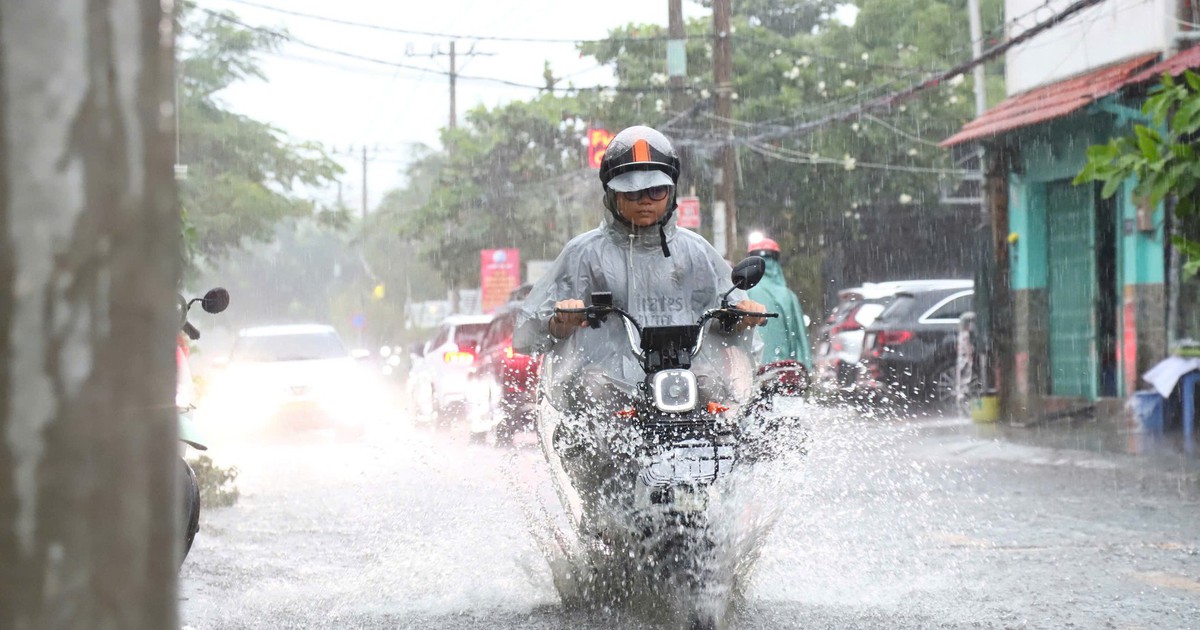
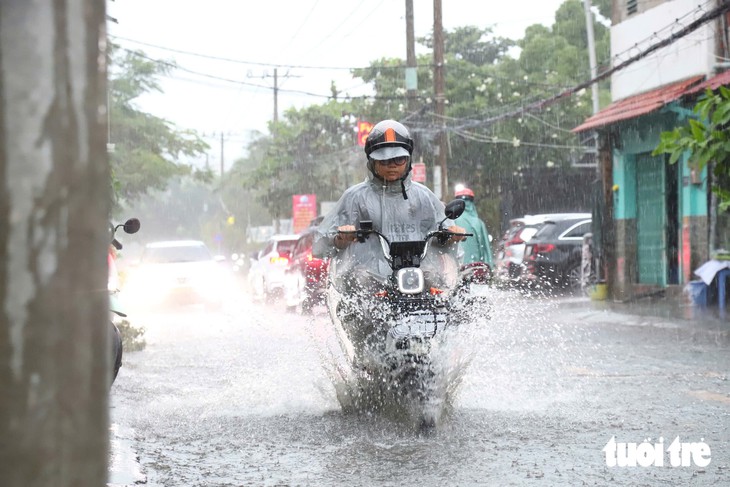
In sharp contrast to the scorching conditions prevailing in the North, the Central Highlands and Southern regions of Vietnam are experiencing active atmospheric instability, bringing widespread rain showers, thunderstorms, and localized heavy downpours. The brunt of these weather systems is expected to concentrate during the afternoon and evening hours, a typical diurnal pattern driven by solar heating and localized moisture convergence.
The National Center for Hydro-Meteorological Forecasting warns that these convective storms carry substantial risks of severe weather phenomena. Residents in the affected areas should prepare for sudden squalls, lightning strikes, hail, and strong gusts of wind capable of damaging property, uprooting trees, and disrupting traffic flow. The torrential downpours also threaten to trigger flash floods and landslides in vulnerable mountainous terrains across the Central Highlands, while low-lying urban areas face the immediate hazard of localized inundation.
Tidal Fluctuations and Urban Flooding Risks in Ho Chi Minh City
Adding to the weather-related challenges in the southern metropolis, Ho Chi Minh City and surrounding southern provinces are currently navigating complex hydrological conditions. Although water levels across most monitoring stations along rivers, canals, and drainage arroyos in Ho Chi Minh City have begun to recede following recent seasonal peaks, authorities emphasize that low-lying areas remain susceptible to tidal flooding.
Urban planners and local disaster management committees continue to monitor water levels closely, as high tides intersecting with heavy afternoon rainfall can quickly overwhelm drainage systems, leading to severe localized flooding. Commuters navigating urban thoroughfares are advised to stay informed about real-time weather and traffic updates to avoid stalled vehicles and impassable flooded zones.
Comprehensive Regional Weather Breakdown for October 1
To provide a clearer picture of localized conditions across the country, meteorologists have released a detailed regional breakdown for the first day of October, outlining expected temperature ranges and atmospheric phenomena for major geographical zones:
Hanoi Capital: Skies will remain partly cloudy to cloudy, with sunny and hot conditions prevailing during the day. Minimum temperatures are expected to range between 26 and 28 degrees Celsius, while maximum daytime temperatures will peak at 34 to 36 degrees Celsius.
Northwestern Vietnam: The region will experience periods of cloud cover interspersed with sunshine, alongside isolated hot spots. Nighttime temperatures will dip to a comfortable 20 to 27 degrees Celsius, while daytime highs will reach 35 to 36 degrees Celsius in localized areas.
Northeastern Vietnam: Similar to the capital and northwestern zones, northeastern provinces will see sunny, hot days with intermittent cloud cover. Temperatures will range from a low of 25 to 28 degrees Celsius up to a high of 34 to 36 degrees Celsius.
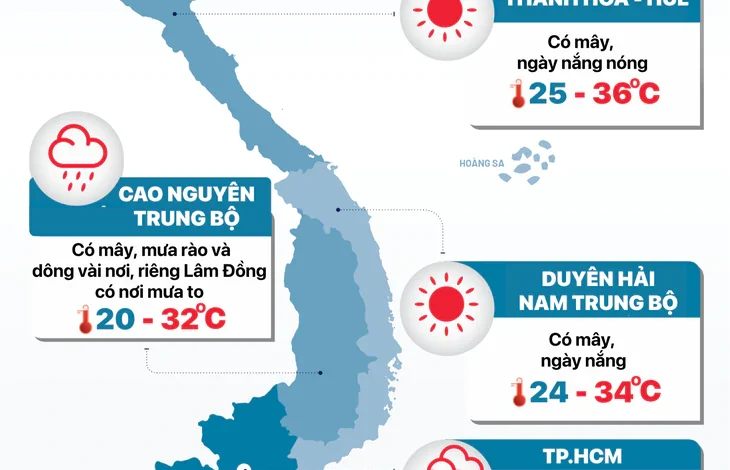
Thanh Hoa to Thua Thien Hue: This central coastal corridor will experience persistent heat throughout the day under partly cloudy skies. Minimum temperatures will register between 25 and 28 degrees Celsius, with maximum readings climbing to 34 to 36 degrees Celsius.
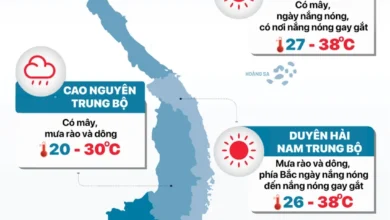
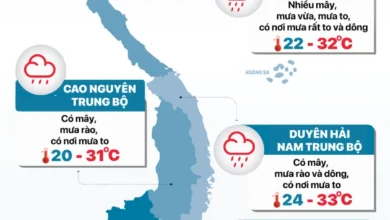
South-Central Coastal Region: Offering a slight respite from the intense heat further north, coastal provinces from Da Nang southward will experience generally sunny days with moderate cloud cover. Temperatures will range from a mild 24 to 27 degrees Celsius overnight to a manageable 31 to 34 degrees Celsius during the afternoon.
Central Highlands: Mountainous provinces will see scattered rain showers and thunderstorms throughout the day, with conditions intensifying in specific areas, notably in Lam Dong province, where heavy downpours are expected. Temperatures will remain relatively cool, ranging from 20 to 23 degrees Celsius at night and reaching highs of 29 to 32 degrees Celsius.
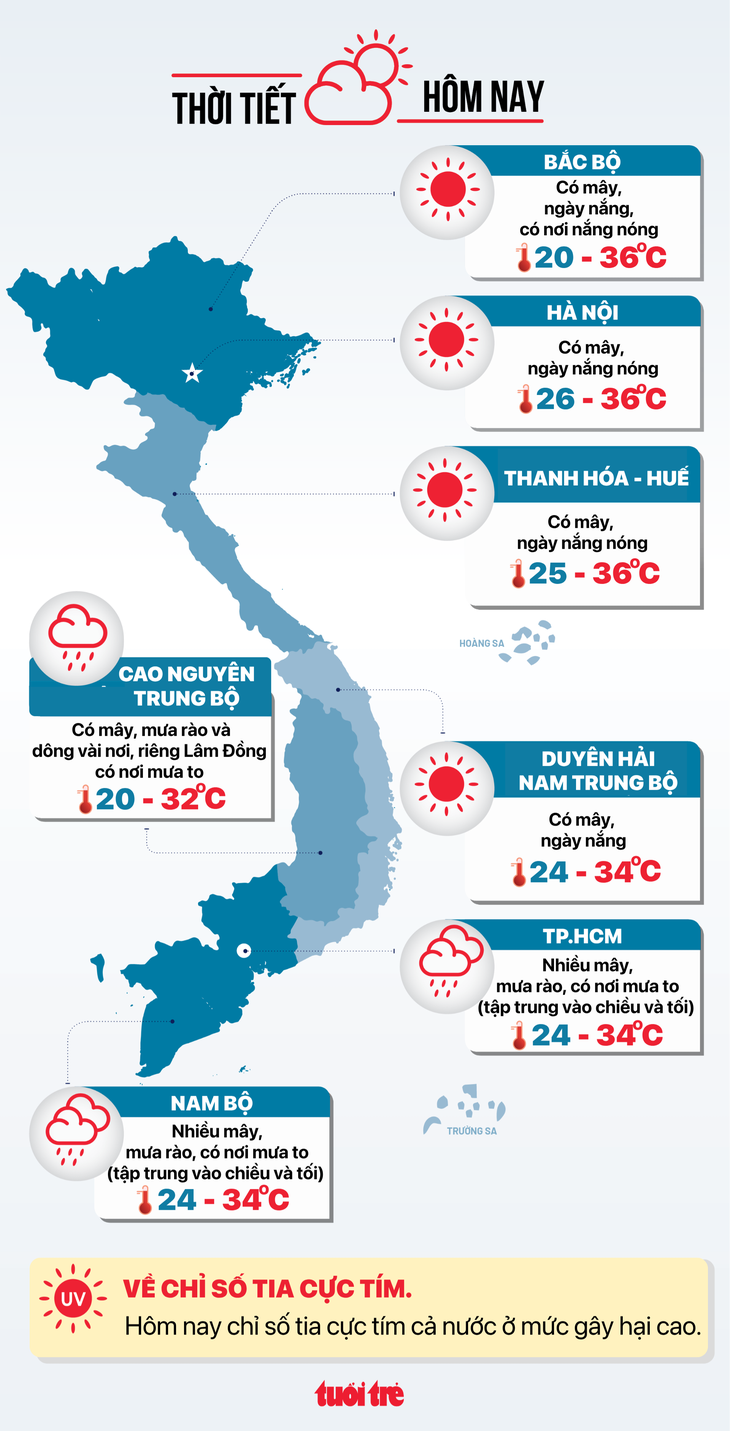
Southern Vietnam: The southern provinces will experience predominantly cloudy skies with scattered rain and thunderstorms, culminating in heavy downpours during the afternoon and evening hours. Temperatures will remain stable, with lows of 24 to 27 degrees Celsius and highs ranging between 31 and 34 degrees Celsius.
Ho Chi Minh City: The economic hub will mirror broader regional trends, featuring cloudy skies, scattered showers, and thunderstorms that concentrate heavily in the afternoon and evening. Daytime temperatures will peak at 32 to 34 degrees Celsius, while nighttime lows will settle comfortably between 24 and 26 degrees Celsius.
Broader Implications and Safety Recommendations
The contrasting weather patterns observed across Vietnam at the dawn of October underscore the country’s vulnerability to diverse climatic extremes. The simultaneous occurrence of severe heatwaves in the North and disruptive convective storms in the South poses multifaceted challenges for public health, agricultural planning, urban infrastructure, and disaster management.
Health authorities strongly recommend that individuals residing in heat-affected northern provinces limit prolonged outdoor exposure during peak afternoon hours, maintain adequate hydration, and implement necessary fire safety measures within residential and commercial spaces. Conversely, communities in the southern regions and the Central Highlands must remain vigilant against the hazards of sudden thunderstorms, lightning, and urban flash flooding, securing outdoor property and exercising caution during daily commutes.
As seasonal transition phases continue to unfold across Southeast Asia, meteorological agencies will maintain round-the-clock surveillance, issuing timely updates and early warnings to safeguard citizens and mitigate potential socio-economic disruptions. Public cooperation and adherence to official safety guidelines remain paramount as communities navigate these volatile environmental conditions.