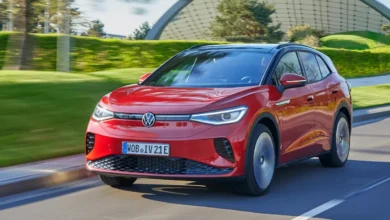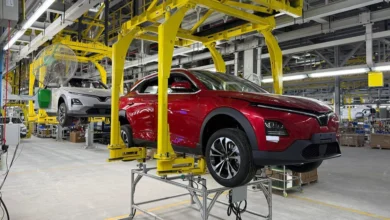
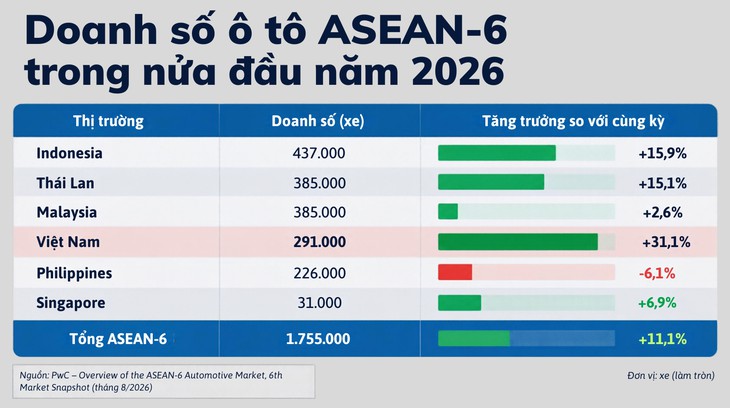
The Vietnamese automotive sector has emerged as the most dynamic engine of growth within the ASEAN-6 bloc during the first half of 2026. According to the latest comprehensive market analysis from PwC, titled Overview of the ASEAN-6 Automotive Market, Vietnam’s total sales volume reached approximately 291,000 units during the first six months of the year. This represents a robust 31.1% increase compared to the same period in 2025, signaling a rapid acceleration that has outpaced all regional neighbors, including traditional manufacturing powerhouses like Thailand and Indonesia.
The broader ASEAN-6 market—comprising Indonesia, Thailand, Malaysia, Vietnam, the Philippines, and Singapore—showed signs of a sustained recovery, with a total regional sales volume of approximately 1.755 million vehicles. This figure marks an 11.1% year-on-year increase, reflecting a regional rebound after several years of supply chain volatility and economic uncertainty. While the regional growth is positive, the disparity in performance between nations has become increasingly pronounced, with Vietnam securing its position as the region’s standout performer.
A Closer Look at Regional Performance and Market Dynamics
The data provided by PwC highlights a significant shifting of gears in the Southeast Asian automotive landscape. While Indonesia maintains its position as the largest market by absolute volume, with 437,000 units sold in the first half of 2026, Vietnam’s growth trajectory is the primary point of interest for global analysts. Thailand and Malaysia followed with roughly 385,000 units each, while Vietnam occupied the fourth position in terms of absolute volume. However, in terms of percentage growth, Vietnam’s 31.1% surge left its neighbors far behind. Indonesia followed at a distance with 15.9% growth, and Thailand recorded 15.1%. Singapore saw a modest increase of 6.9%, while Malaysia’s growth slowed to 2.6%. The Philippines stood out as the only market in the group to experience a decline, with sales dropping by 6.1%.
The rapid expansion of the Vietnamese market is best viewed through a longitudinal lens. In the first half of 2024, the market was still finding its footing, with sales totaling approximately 174,000 units. By the first half of 2025, this figure had climbed to 222,000, and the current 291,000 units mark a total increase of 117,000 vehicles in just two years. This consistent upward trend underscores a strengthening consumer base and improved economic conditions within the country.
The Electric Vehicle Revolution and the VinFast Factor
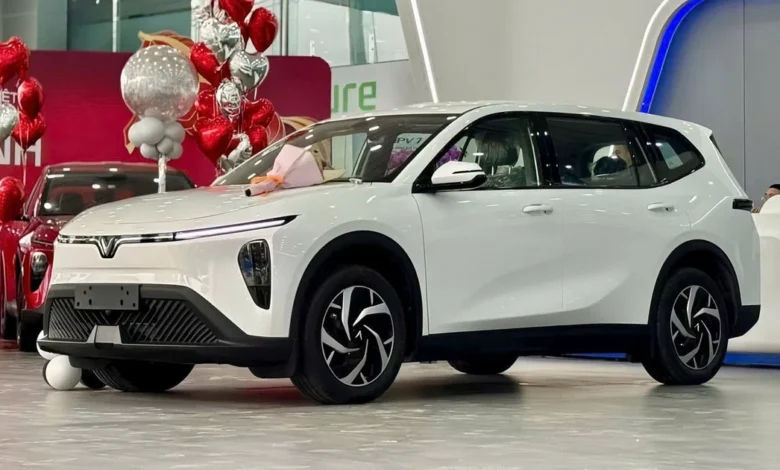
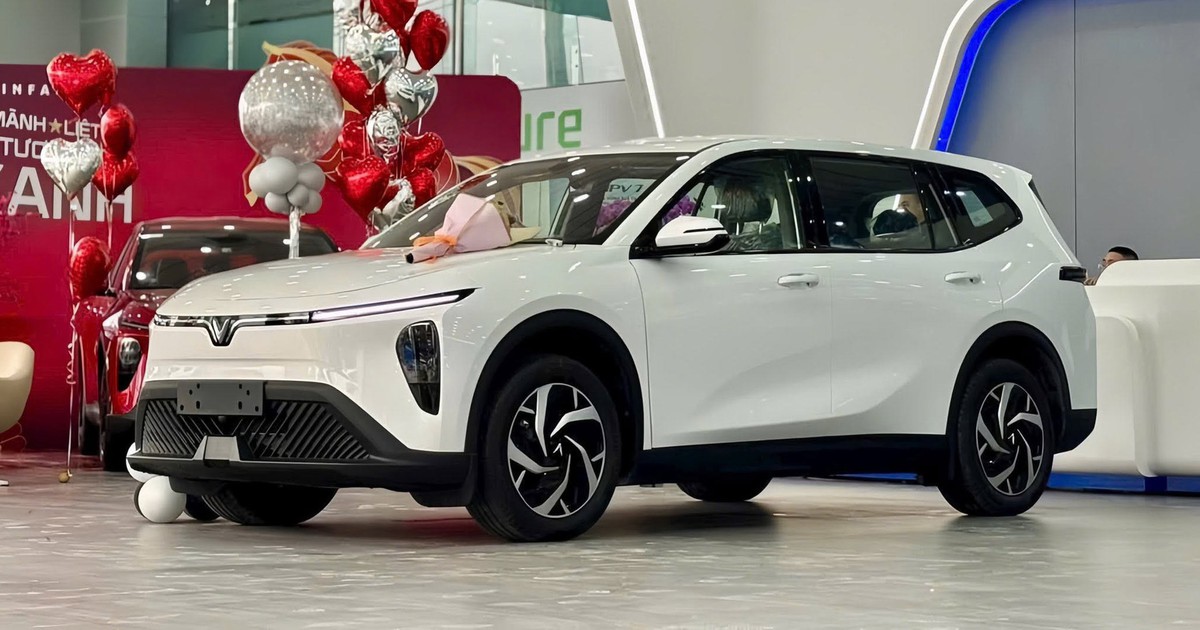
A pivotal driver behind Vietnam’s impressive performance is the aggressive transition toward electrification. The report explicitly credits the surge in electric vehicle (EV) sales, led by domestic manufacturer VinFast, as a primary catalyst for the domestic market’s momentum. VinFast reported the delivery of approximately 116,000 electric vehicles during the first half of 2026, a 72% increase compared to the same period in the previous year.
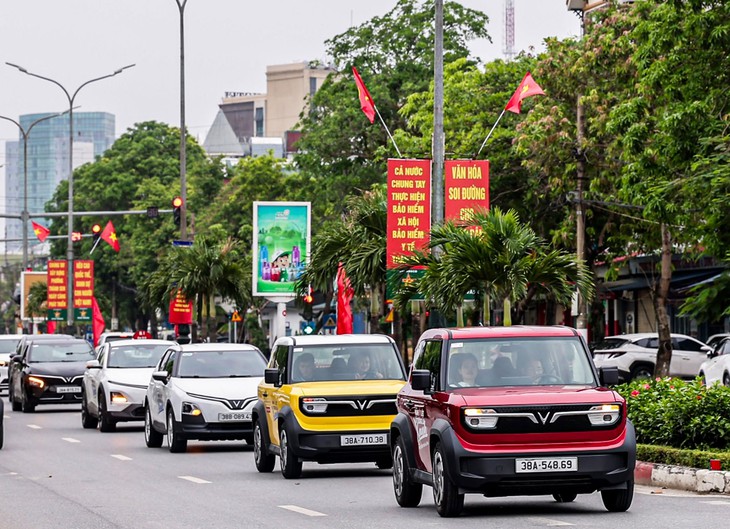
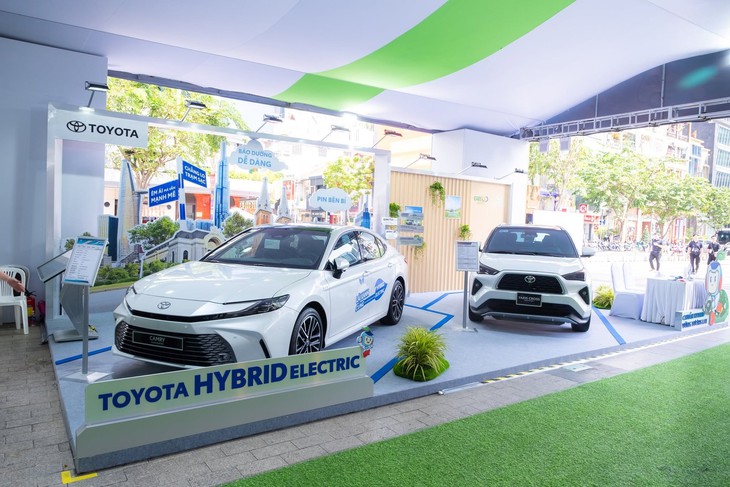
This transformation is not limited to battery-electric vehicles (BEVs). The hybrid segment has also seen a dramatic uptick in popularity, with sales of hybrid models rising by 83% in Vietnam. Consumer appetite for imported vehicles has also grown by 23%, suggesting that despite the rise of local manufacturing, the market remains open and competitive, attracting a diverse range of international brands.
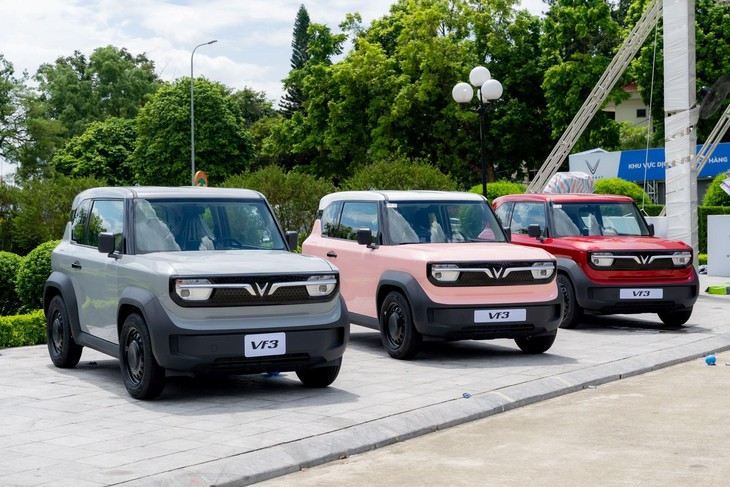
The evolving preferences of Vietnamese drivers are further evidenced by the shifting popularity of specific models. In 2025, the compact VF 3 was the undisputed leader in total market volume. However, by the first half of 2026, the market saw a slight shift, with the VinFast Limo Green overtaking the VF 3 in sales popularity. The prevalence of compact SUVs, specifically the VF 3 and VF 5, has fundamentally altered the structural composition of the market. According to PwC, the market share for A-segment SUVs has expanded by 29 percentage points since the first half of 2024, reflecting a broader consumer preference for versatile, urban-friendly utility vehicles.
Implications for the ASEAN-6 Automotive Ecosystem
The 11.1% aggregate growth across the ASEAN-6 suggests that the regional automotive industry is successfully navigating the transition to new energy vehicles (NEVs). However, the widening gap between the growth rates of individual nations presents a strategic challenge for manufacturers. Global automotive firms are now under pressure to construct localized strategies that account for the unique economic, regulatory, and consumer profiles of each country.
The report also sheds light on the rising influence of Chinese automakers within the ASEAN-6. The share of vehicles produced by Chinese manufacturers has increased to 15.7% across the region. This influx, combined with the fact that the total share of electrified vehicles (including hybrids and BEVs) now stands at 32%, points to a permanent shift in the regional automotive identity.
Strategic Context: From Recovery to Expansion
To understand why Vietnam is currently outperforming its regional peers, one must look at the convergence of government policy and private sector investment. The Vietnamese government has been vocal about its support for the green energy transition, implementing various incentives to encourage both the adoption of EVs and the development of the necessary charging infrastructure. This top-down support has provided a stable environment for companies like VinFast to scale their operations rapidly.
Furthermore, the stabilization of global supply chains in 2026 has allowed manufacturers to meet the backlog of demand that accumulated during the preceding years of component shortages. Vietnam’s manufacturing sector has proven particularly adept at scaling production to meet this demand, ensuring that lead times for new vehicle deliveries remain competitive.
Chronology of Growth: 2024–2026
- First Half 2024: Market records 174,000 units. The sector begins to stabilize following global economic volatility.
- First Half 2025: Market grows to 222,000 units, representing a significant recovery phase driven by the introduction of new, affordable SUV models.
- First Half 2026: Market reaches 291,000 units. A 31.1% year-on-year increase is recorded, making Vietnam the fastest-growing market in the ASEAN-6.
- Ongoing Trends: Shift toward electrification (32% regional share) and the increasing market dominance of A-segment SUVs indicate a maturing consumer base.
Fact-Based Analysis of Future Implications
The data indicates that Vietnam is transitioning from a developing automotive market to a regional hub of innovation and high-volume consumption. The success of the domestic EV industry serves as a template for other nations in the region that are looking to reduce their carbon footprint while fostering local manufacturing capabilities.
However, challenges remain. As sales volumes continue to climb, the pressure on infrastructure—particularly charging grids for EVs and urban traffic management—will intensify. The ability of the government and the private sector to coordinate on these infrastructure requirements will determine whether this growth is sustainable in the long term.
Furthermore, the increased market share of Chinese manufacturers, while offering consumers more variety and affordability, also puts competitive pressure on legacy manufacturers who have long dominated the Southeast Asian market. The next three to five years will likely see an intensification of competition, as brands race to secure loyalty among a growing class of first-time car buyers in Vietnam.
Conclusion
The first half of 2026 has been a transformative period for the Vietnamese automotive industry. By outperforming its regional peers and successfully integrating electric mobility into the mainstream, Vietnam has proven itself to be a critical player in the future of the ASEAN-6 automotive landscape. As the market continues to evolve, the focus will likely shift from pure volume growth to the complexities of maintaining that growth through technological advancement, infrastructure investment, and the navigation of an increasingly competitive regional environment.
Industry stakeholders and regional policymakers will be closely monitoring the second half of 2026 to see if the current momentum can be maintained. If the first six months are any indication, the Vietnamese automotive sector is not merely experiencing a temporary recovery, but is in the midst of a fundamental shift that will shape the country’s economic landscape for the coming decade.