Hơn 2/3 cửa hàng vàng biến mất khỏi một con phố ở Trung Quốc – nguyên nhân khiến nhiều người ngỡ ngàng


The Anatomy of a Market Contraction
The decline in physical jewelry retail in China is driven by a complex interplay of macroeconomic pressures, shifting demographics, and volatile market prices. Gold, traditionally viewed as a stable store of value and a cultural essential for milestones such as marriage, has reached price points that are increasingly alienating the average consumer.
According to industry reports and localized observations, the primary catalyst for these closures is the sustained high price of gold, which has experienced significant volatility throughout 2024 and 2025. This price surge, coupled with a national decline in marriage rates, has effectively severed the traditional demand cycle. For decades, the wedding industry was the primary engine for gold jewelry sales in China. With fewer couples tying the knot, the demand for traditional gold wedding sets—often heavy and intricately crafted—has plummeted.
Yu Qian, a 25-year-old preschool teacher from Biyang, serves as a poignant example of the changing local sentiment. Recalling the vibrant commercial environment of her hometown, she noted that the recent exodus of retailers has been rapid and absolute. For retailers, the math simply stopped adding up. With high overhead costs—including rent, staff salaries, and the significant capital required to maintain inventory—many small-to-medium-sized shops found themselves unable to sustain operations as foot traffic evaporated and conversion rates dropped.
Nationwide Retail Retrenchment
The struggles observed in Biyang are mirrored in the strategic retreats of major jewelry conglomerates across China. Leading industry players have been forced to rationalize their physical footprints, closing hundreds of stores in a bid to preserve capital and pivot toward more sustainable business models.

Data from the first half of 2025 illustrates the scale of this contraction:
- Chow Tai Seng: Reported a widespread reduction, closing 473 stores nationwide.
- Lao Feng Xiang: Shut down 342 locations, with a focus on third- and fourth-tier cities where the economic cooling is most pronounced.
- China Gold: Cut 323 outlets during the first six months of the year.
- Chow Tai Fook: Recorded the closure of 258 stores in mainland China during the second quarter alone, a move attributed partly to the consolidation of franchised operations.
Fred You, a regional business development manager for a major national jewelry brand, emphasizes that the burden is particularly heavy on small-scale shops. These operators lack the cushion to absorb fluctuations in consumer sentiment. "Consumers are buying less gold in terms of weight, yet shop owners must still manage high inventory costs, rent, and operational expenses," You explained. "The willingness to pay premium prices for branded jewelry, especially items focused on decorative aesthetics rather than raw value, has essentially evaporated."
The Marriage-Gold Correlation
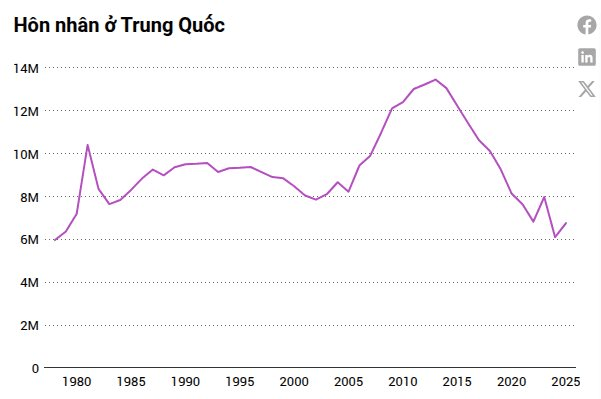
The health of the gold jewelry market is inextricably linked to the sociology of marriage in China. Data from the Ministry of Civil Affairs indicates that the number of marriage registrations has continued to slide, with a 7.46% decline recorded in the first half of the year compared to the same period in 2024, totaling approximately 3.275 million registrations.
For many young couples, the cost of gold, combined with broader economic uncertainties—such as high living costs and labor market volatility—has transformed the traditional "gold gift" into a financial burden rather than a celebratory necessity. As a result, many are opting to defer or cancel wedding plans, or at the very least, they are opting for smaller, more modest jewelry pieces. This shift is not merely a temporary reaction to price; it reflects a fundamental change in the life choices and financial priorities of the younger generation.
A Strategic Pivot: From Jewelry to Investment
While the demand for gold jewelry has experienced a sharp downturn, the appetite for gold as a financial asset remains robust. This has created a bifurcated market: a decline in "adornment" gold and a simultaneous rise in "investment" gold.
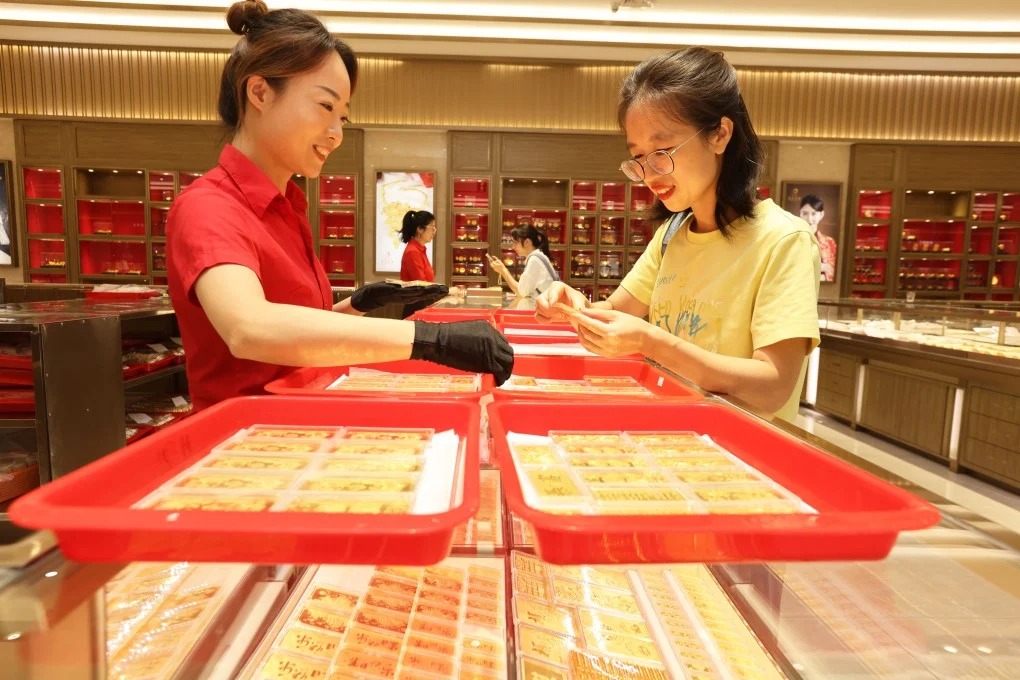
The World Gold Council’s reports from July 2025 confirm this trend. China’s gold jewelry demand in the second quarter plummeted by 28% compared to the previous year, reaching its lowest level for that quarter since 2004. Conversely, the demand for gold bars and coins has surged, rising by 28.42% to reach 339.3 tonnes.
This transition highlights a flight to safety. Amidst the instability of other asset classes—such as the volatile domestic stock market, the fluctuating US dollar, and a cooling real estate sector—Chinese citizens are increasingly treating gold as a defensive hedge. However, this shift does not benefit the traditional jewelry retailer, who relies on high margins from craftsmanship and branding rather than the thin-margin trade of bullion.
Chronology of a Volatile Market
The path to the current state of the market has been defined by extreme price movements:
- 2021: Gold prices hovered around $1,800 per ounce, a period of relatively stable consumer interest.
- Early 2025: Prices saw an unprecedented spike, reaching a record high of approximately $5,200 per ounce, fueled by global geopolitical tensions and central bank buying.
- Mid-2025: A correction saw prices dip to $4,170 per ounce, followed by a partial recovery to the $4,400 range.
This volatility has fostered a "wait-and-see" approach among investors and a permanent sense of caution among retail consumers. Professional observers, such as Dr. Vicky Liu, a resident of Guangzhou, note that the uncertainty surrounding multiple asset classes has made the search for a secure investment more difficult than ever. "When many assets are showing high volatility, the average person becomes more cautious about any investment decision," she remarked.
Implications and Future Outlook
The closure of thousands of jewelry stores is more than a retail trend; it is a structural adjustment. The industry is moving away from the era of hyper-expansion, where store density was the primary driver of market share.
Industry analysts suggest that the future of the Chinese gold market will be defined by:
- Consolidation: Smaller, independent retailers will likely continue to face extinction, leaving the market to a few dominant players who can achieve economies of scale.
- Product Adaptation: Retailers are beginning to favor lighter-weight pieces and products with lower "branding premiums," acknowledging that consumers are no longer willing to pay high markups for decorative value.
- Digital Integration: With physical traffic declining, brands are shifting focus toward e-commerce and digital investment platforms that allow for easier, lower-cost access to gold-backed assets.
Ultimately, the disappearance of shops in towns like Biyang is a clear indicator that the "gold rush" era of retail in China has ended. The market is maturing into a more pragmatic, value-oriented sector. While the shine of gold has not faded, the way it is bought, sold, and valued in China is undergoing a permanent transformation. The challenge for the industry now lies in navigating this shift while responding to a generation that prizes financial stability and personal utility over the traditional, heavy gold-adorned displays of the past.