Nghe An: Systematic violations discovered at 92 public works, case file transferred to provincial police

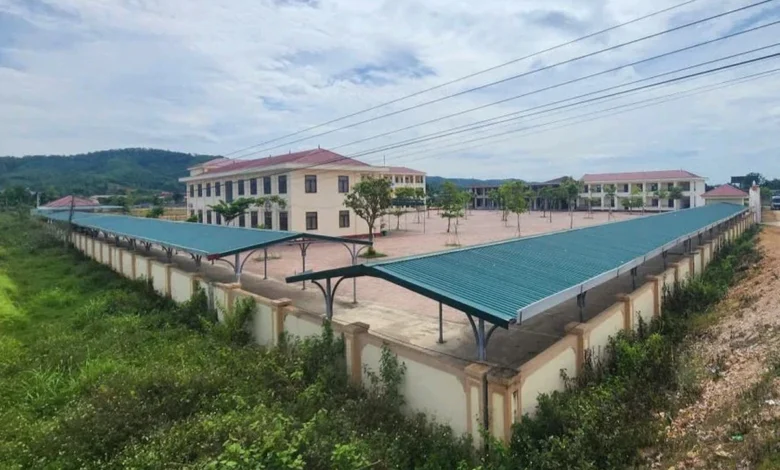
In a significant development concerning public sector governance and financial management, the Thanh Tra Tinh (Provincial Inspectorate) of Nghe An has concluded a comprehensive audit into 92 construction and renovation projects located in the former Tràng Sơn commune, currently part of Lương Sơn commune, Đô Lương district. The findings, officially released on September 9, reveal a pattern of systemic mismanagement, non-compliance with investment regulations, and substantial financial irregularities amounting to over 9.7 billion VND. Given the severity and scope of the procedural breaches, the provincial inspectorate has officially transferred the case files to the Police Investigation Agency of Nghe An Province for further criminal investigation and legal processing.
The Scope of the Irregularities
The investigation focused on two distinct categories of projects undertaken by the former Tràng Sơn commune authorities prior to the administrative reorganization that integrated the area into Lương Sơn commune. The first category comprised nine major construction projects with a total value exceeding 6.2 billion VND. The second category consisted of 83 smaller-scale projects—primarily focused on repairs, renovations, and maintenance of public assets—valued at approximately 3.4 billion VND.
Collectively, these 92 projects represent a total outstanding debt of approximately 9.7 billion VND. The investigation determined that the former commune administration failed to adhere to fundamental legal frameworks governing public investment, construction management, procurement, and accounting. According to the provincial inspectorate, these were not isolated incidents but rather a systemic failure of oversight that persisted over a decade, spanning from 2014 to 2024.
Chronology and Operational Failures
The issue surfaced following complaints filed in early 2024 by various organizations and individuals regarding unpaid debts linked to construction works commissioned by the former Tràng Sơn commune. As the newly formed Lương Sơn commune administration took over the management of the area, they found themselves inheriting a significant financial burden with no legal documentation to justify payment.
A review of the 2023–2024 period confirmed that the former Tràng Sơn commune had proceeded with nine construction projects—including a 700 million VND parking structure for the Tràng Sơn Secondary School and eight rural road networks—without ensuring that the necessary legal paperwork, investment approvals, and budgetary allocations were in place.
The lack of documentation extends across every stage of the project lifecycle. Investigators found that for the nine major projects, the commune had failed to complete "pre-investment" preparations. Specifically, there were no official reports justifying the investment, no verification of funding sources, and no capacity assessments regarding the commune’s ability to meet financial obligations. Furthermore, the selection of contractors was conducted without following mandatory public procurement regulations, and the final accounting and project settlement documents were either missing or incomplete.
Financial and Legal Implications
The investigation by the Nghe An Department of Finance, which preceded the formal inspectorate report, confirmed that the requests for payment for these works lacked any legal basis. The Department of Finance noted that the former commune administration initiated construction without identifying a source of capital, essentially creating debt that the current local government is unable to settle under existing fiscal regulations.
For the 83 smaller repair and maintenance projects, the situation is similarly precarious. The former commune approved these works without securing the required funding, leading to a situation where the projects were completed and put into use, yet the legal and financial mechanisms to authorize payment were never established.
This lack of transparency and adherence to protocol has created a difficult situation for the current administration in Lương Sơn commune. They are now tasked with managing the consequences of these unauthorized debts, which the provincial inspectorate and the Department of Finance have labeled as a violation of the Law on Public Investment and the Law on Construction.
Official Responses and Administrative Accountability
The transfer of the dossier to the provincial police marks a transition from administrative review to a criminal inquiry. The decision to involve law enforcement indicates that authorities suspect more than just administrative negligence. The investigation will now focus on determining whether the systemic nature of these violations was the result of deliberate misconduct, mismanagement of state funds, or potentially corrupt practices involving local officials and contractors.
While the investigation continues, the implications for the local government are profound. The incident highlights the risks associated with the decentralization of public works management when oversight mechanisms are weak or absent. In many rural areas of Vietnam, the desire to complete infrastructure projects rapidly often leads local officials to bypass the cumbersome—but necessary—bureaucratic processes. However, as this case demonstrates, bypassing these procedures results in significant financial liabilities that ultimately affect the local budget and the trust of the community.
Broader Context of Public Works Management
The case of Tràng Sơn serves as a cautionary tale regarding the management of public investment projects at the commune level. In recent years, the Vietnamese government has tightened regulations on public spending to curb wastage and corruption. However, the legacy of projects initiated in the last decade, particularly in remote or smaller administrative units, continues to pose challenges.
The "systemic" nature of the errors—specifically the initiation of projects without verifying funding—is a recurring theme in audit reports across various provinces. When projects are launched without a feasibility study or a confirmed source of funding, they often result in "unfinished business" where contractors are left unpaid, and public assets remain in a legal limbo, often failing to meet quality standards because they were not subject to proper technical supervision.
Future Outlook and Legal Proceedings
The investigation by the Nghe An Police is expected to scrutinize the signatures and approvals given by the former leadership of Tràng Sơn commune. Key questions to be addressed include:
- Approval Processes: Who authorized the commencement of these 92 projects, and why were the mandatory reviews by higher-level authorities bypassed?
- Contractor Selection: How were the contractors for these 9.7 billion VND worth of projects selected, and what was the relationship between the decision-makers and the contractors?
- Financial Flow: Where did the contractors obtain the initial funding to build these projects if there was no government budget allocated, and were there private interests involved?
As the provincial police delve deeper, local residents and stakeholders are awaiting transparency regarding the ultimate fate of these projects. The current administration in Lương Sơn commune remains in a difficult position, as they are technically responsible for the public infrastructure within their jurisdiction, yet they are prohibited from making payments for debts that were not legally incurred.
This case is likely to set a precedent for how future administrative mergers in Vietnam handle the inherited debt of their predecessor communes. It reinforces the necessity of strict compliance with the Law on Public Investment, as the failure to follow procedure does not merely result in administrative penalties—it can lead to criminal liability for those who hold public office.
As the legal process unfolds, the Ministry of Finance and the provincial government of Nghe An are expected to issue further guidance on how to audit and potentially resolve these outstanding debts, ensuring that local development does not come at the cost of fiscal integrity. The involvement of the Police Investigation Agency ensures that the final resolution will not only address the financial cleanup but will also serve to hold those responsible for the systemic failures accountable under the law.
Related posts: