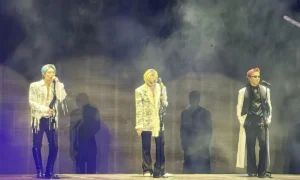
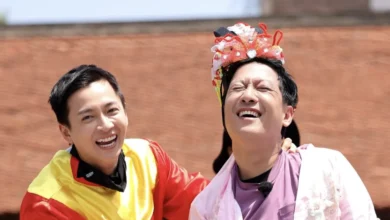
Trấn Thành Withdraws from "Tinh Hoa Say Hi" Concerts Due to Contractual Disagreements

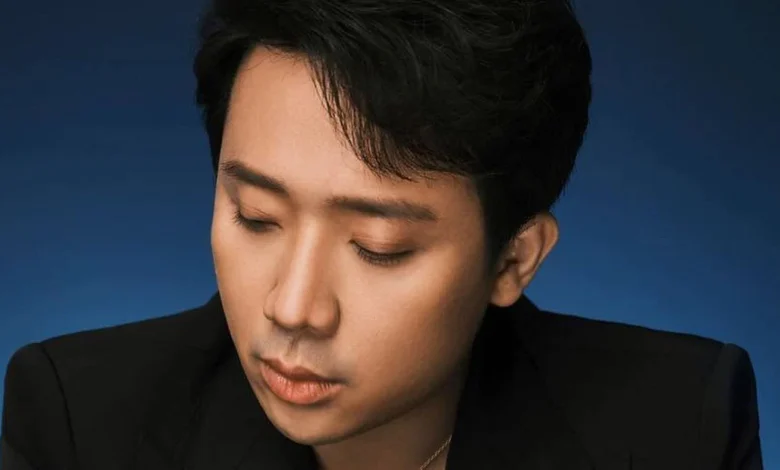
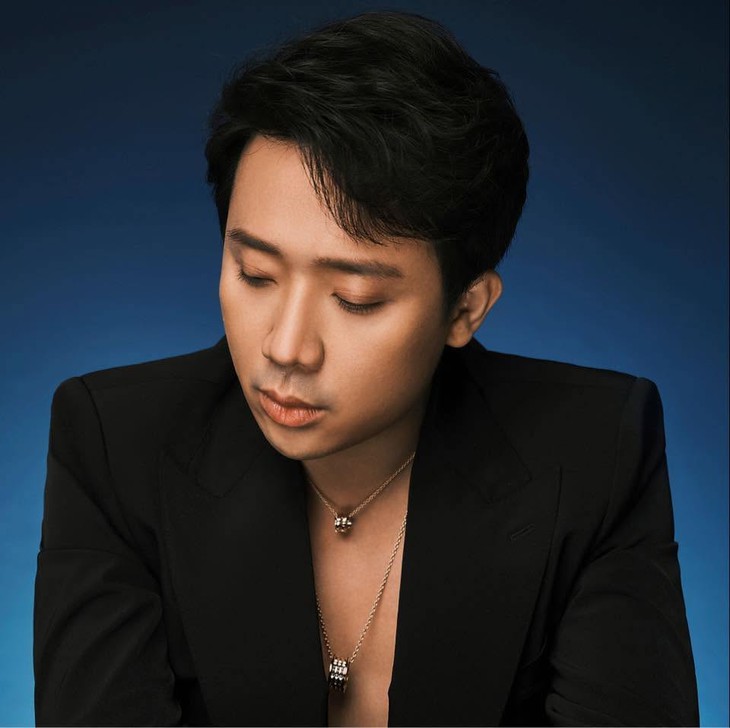
The live entertainment landscape in Vietnam has experienced a significant shake-up following the unexpected announcement that renowned television host and actor Trấn Thành will not participate as a master of ceremonies in the upcoming two-night "Tinh Hoa Say Hi" concert series. The event, which brings together twenty-four prominent artists referred to affectionately as "Anh Trai" (Brothers), is scheduled to take place on October 17 and 18, 2024, in Ho Chi Minh City. This sudden development has sent shockwaves through the fandoms of the hit reality television program, sparking widespread discussions across digital platforms and raising questions about the complexities of talent management in large-scale commercial music productions.
According to statements released by the artist and production insiders, the primary catalyst for Trấn Thành’s absence stems from an inability to reach a mutually satisfactory consensus with the show’s organizing committee regarding the terms of his contract. While both parties expressed a mutual desire to collaborate for the high-profile arena events, irreconcilable differences concerning contractual obligations ultimately led to the breakdown of negotiations. This latest setback highlights the delicate balancing act required when coordinating top-tier celebrity talent for commercial concert franchises that rely heavily on established figures to drive ticket sales, anchor live segments, and maintain audience engagement.
The Announcement and Immediate Public Reaction
Late in the evening of September 9, 2024, Trấn Thành took to his official social media channels to address his followers directly, offering transparency regarding his impending absence. In a heartfelt statement, the entertainer expressed deep regret over missing the milestone performances, citing unforeseen complications in his negotiations with the show’s producers.
"Due to a series of unexpected reasons, despite my strong desire to ‘party’ to the fullest with the fans of ‘Say Hi’ and the twenty-four younger brothers, there were terms in the agreement between the two sides that we could not harmonize," Trấn Thành wrote. "Therefore, Trấn Thành will not be able to participate in these two major upcoming concerts."
The host acknowledged the emotional weight of his decision, noting that many dedicated fans had already purchased tickets specifically with the expectation of seeing him host the live arena spectacles. He extended his apologies to the ticket holders and urged them to continue showing unwavering support for the twenty-four performing artists who remain the core attraction of the concert. "I hope the concerts take place smoothly and successfully, and that everyone continues to cheer enthusiastically for the twenty-four ‘Anh Trai’," he added, promising to reunite with audiences on a future project once professional schedules and agreements align.

The reaction from the online community was swift and emotionally charged. Within hours of the announcement, thousands of comments flooded the artist’s social media pages, with many fans expressing shock, disappointment, and a sense of disorientation regarding the concert experience without its signature host. Comments ranged from expressions of disbelief—such as "Watching the ‘Say Hi’ program is entirely because of Trấn Thành"—to more critical assessments of the production’s prospects without his stabilizing presence on stage.
"Without Brother Thành, half of the show’s soul is missing," one prominent fan wrote. Another user remarked, "The program lacking you is essentially a major reduction in the energy and crowd-control capacity of the stage." The sentiment that the twenty-four performers might feel structurally unsupported without Trấn Thành’s seasoned improvisational skills and comedic timing was a recurring theme among the fan base, underscoring the vital role a master of ceremonies plays in bridging musical performances during complex multi-act live shows.
A Pattern of Contractual Absences in the "Say Hi" Franchise
This development is not an isolated incident within the broader ecosystem of the "Say Hi" entertainment brand, pointing to a recurring logistical hurdle in the relationship between Trấn Thành and the production entities behind these musical extravaganzas.
Earlier in the production cycle, similar contractual friction resulted in Trấn Thành’s absence from high-profile international dates. In July of the previous year, the entertainer formally announced that he would not travel to international stops associated with related franchise tours due to unfulfilled expectations during contract negotiations. These recurring friction points suggest that while Trấn Thành maintains a warm, collaborative rapport with the participating artists and the viewing public, commercial negotiations involving major intellectual properties require complex structural alignments that occasionally prove insurmountable.
Further demonstrating this pattern, Trấn Thành was also absent during Day 2 of the second season of the related "Anh Trai Say Hi" concert held in Hanoi in March of the current year. On that occasion, the production had to improvise by having the participating male artists step in to share hosting duties, a contingency plan that brought a raw, endearing charm to the stage but also highlighted the irreplaceable polish of a professional anchor. The recurrence of these scheduling and contractual impasses suggests that aligning top-tier celebrity schedules, fee structures, and creative control within rapidly expanding entertainment franchises remains a formidable challenge for contemporary Vietnamese event producers.
The Economic and Cultural Weight of "Tinh Hoa Say Hi"
To understand the magnitude of Trấn Thành’s withdrawal, one must examine the unprecedented cultural footprint that the "Say Hi" music reality format has carved out within the Vietnamese entertainment industry. Launched as a direct response to the booming demand for youth-oriented musical competition shows, the franchise has successfully revived the boy-band format, catapulting dozens of young singers, rappers, and performers into mainstream superstardom.
The upcoming October concerts in Ho Chi Minh City are not merely standard music events; they represent major economic engines within the domestic live entertainment sector. Arena-scale concerts of this magnitude involve multi-billion-dong investments in stage design, lighting, sound engineering, security, and broadcast production. Ticket sales typically generate immense revenue within minutes of opening, driven largely by intense fandom loyalty.
In this ecosystem, Trấn Thành has functioned as more than just a traditional master of ceremonies. As one of Vietnam’s most commercially viable and culturally ubiquitous media figures, his involvement has traditionally served as a quality assurance marker for mainstream audiences who may not be deeply immersed in contemporary underground or indie music scenes. His ability to navigate live television broadcasts with spontaneous wit, emotional intelligence, and seamless crowd work has anchored chaotic multi-artist lineups, ensuring that the television broadcasts and live streams maintain narrative coherence and high entertainment value.
Behind the Scenes of Talent Management in Vietnam
The public disclosure of "unharmonized agreements" sheds light on the often opaque world of high-stakes talent management in Southeast Asia’s rapidly developing media market. As television networks, independent production houses, and digital streaming platforms compete for exclusive content, the commercial value of top-tier talent has skyrocketed.
Industry analysts note that high-profile artists like Trấn Thành operate as multifaceted media enterprises. Their participation in commercial events involves intricate negotiations covering not only performance fees and time commitments but also image rights, cross-promotion clauses, merchandising revenue shares, and creative input. When production timelines are compressed—as is frequently the case with hit reality formats riding a wave of viral popularity—the administrative strain on legal and management teams intensifies significantly.
While neither Trấn Thành nor the producers of "Tinh Hoa Say Hi" have publicly disclosed the specific financial or operational clauses that caused the negotiations to fail, media observers suggest that discrepancies likely involved compensation structures, rehearsal demands, or exclusivity constraints. In the competitive landscape of Vietnamese showbiz, protecting brand equity is paramount for established stars, meaning that senior artists are increasingly willing to walk away from high-exposure projects if contractual terms do not adequately reflect their market value or professional boundaries.
Implications for the Upcoming Concerts
As ticket holders prepare for the October 17 and 18 events, the immediate concern for organizers is maintaining audience confidence and ensuring that the quality of the live experience remains uncompromised. The twenty-four "Anh Trai" artists remain fully committed to the schedule, and rehearsals are reportedly continuing at a rigorous pace.
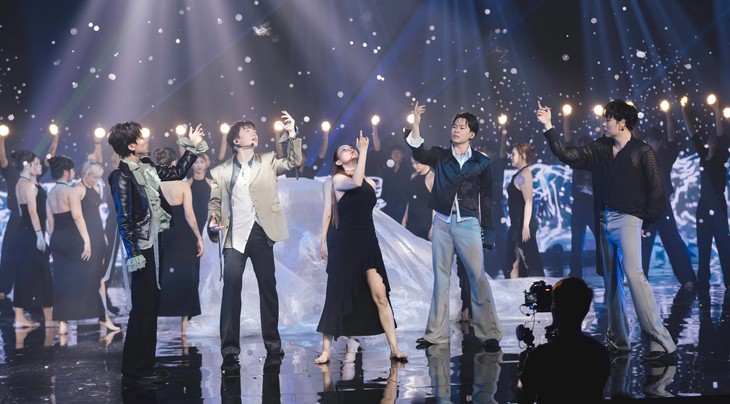
However, the production team faces the formidable task of filling the logistical and artistic vacuum left by Trấn Thành’s departure. Producers must decide whether to hire an alternative professional master of ceremonies to guide the evening’s narrative or to distribute the hosting responsibilities among the performing artists themselves—a strategy that yielded mixed results during previous franchise concerts.
From a broader perspective, the incident serves as a bellwether for the Vietnamese entertainment industry as it transitions into a more professionalized, corporate-backed commercial model. As production budgets grow and stakes become higher, the margin for error in contract negotiation narrows. Both artists and producers are learning to navigate the complexities of large-scale live entertainment where public expectations, brand investments, and artistic autonomy constantly intersect.
For audiences, the absence of Trấn Thành will undoubtedly alter the dynamic of the October concerts. Yet, the enduring popularity of the twenty-four participating artists suggests that the event will retain its status as one of the premier entertainment highlights of the year. As the industry watches closely to see how the production recovers from this high-profile parting of ways, the episode underscores a timeless truth of the entertainment business: behind the glittering lights of arena stages lie complex commercial realities that are rarely visible to the cheering crowds.
Related posts: