In an era where robotics are transitioning from factory floors to the complexities of daily life and public spaces, Japan has taken a pioneering step toward securing the longevity and operational reliability of these machines. GMO Internet Group, a leading Japanese technology conglomerate, has officially launched the nation’s first dedicated "rescue service" specifically designed for humanoid robots. This initiative represents a critical shift in the robotics industry, moving from a model of reactive, localized repairs to a proactive, mobile maintenance infrastructure designed to minimize downtime in high-stakes environments.
The Mechanics of Mobile Robot Repair
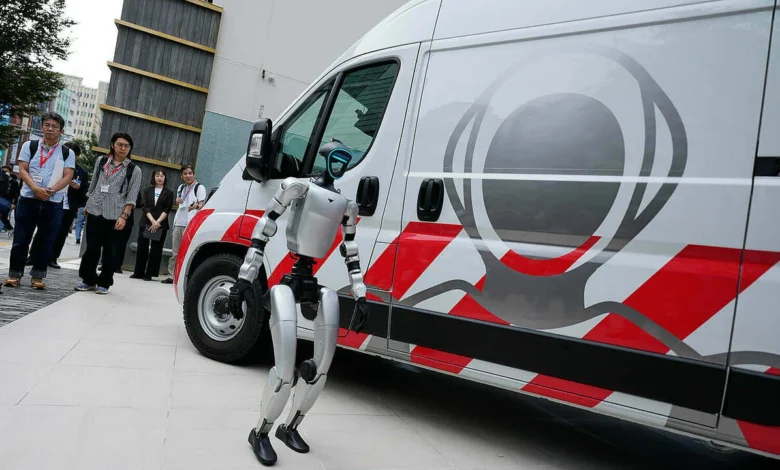
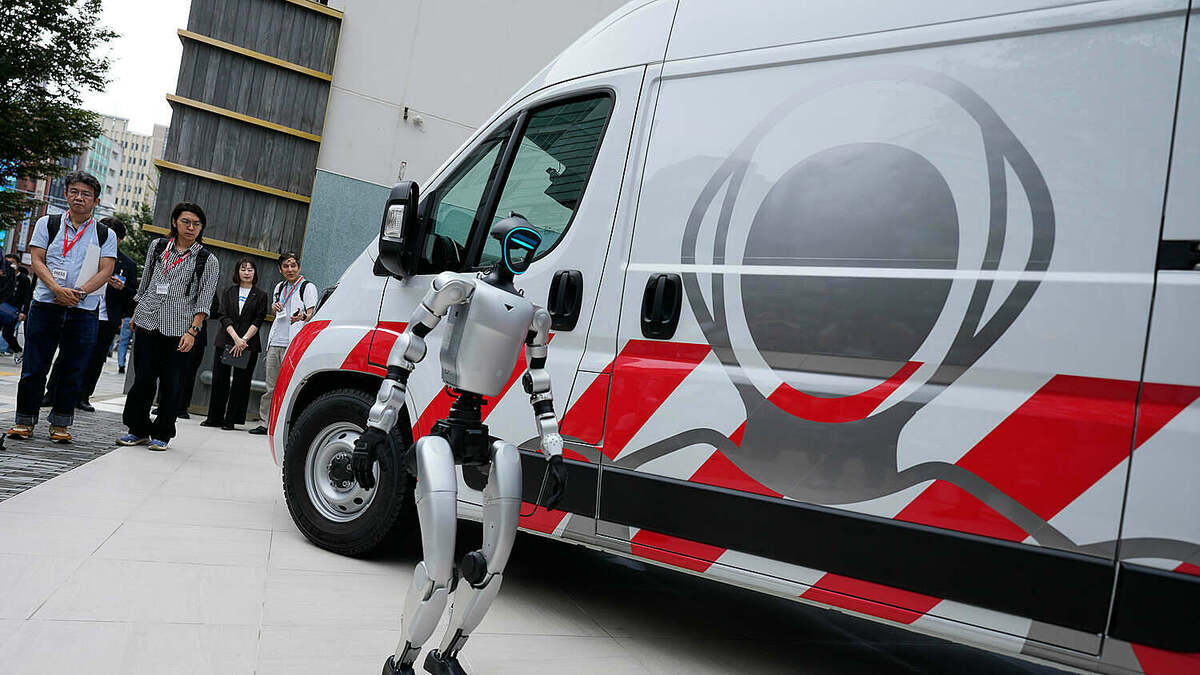
The core of this service is a fleet of specialized rescue vehicles, currently operational in Tokyo. These units are equipped with advanced diagnostic tools, comprehensive replacement parts, and, notably, "stand-in" robots that can be deployed instantly. When a humanoid robot experiences a critical malfunction or system error at a client’s location, the rescue vehicle is dispatched to perform on-site repairs.
The primary objective is to maintain continuity for the client. If a repair is not feasible within the immediate timeframe at the service location, the damaged robot is transported to a central facility for extensive diagnostics. To ensure the client’s operations remain uninterrupted, the rescue team deploys a temporary replacement unit, allowing the business or service provider to continue their activities without significant delays.
This model is a significant departure from traditional service agreements, which often require shipping heavy or complex hardware back to a manufacturer, a process that can take weeks or even months. By bringing the workshop to the robot, GMO Internet aims to change the economic calculus for businesses relying on automation.
Industry Context and Global Benchmarking
The necessity for such a service is rooted in the increasing density of robotic deployments worldwide. As humanoid robots become more common in service industries, hospitals, and logistics, the "downtime" of a single machine can cause a cascade of operational failures.
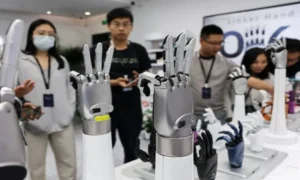
This trend is not isolated to Japan. In June, the Chinese e-commerce giant JD.com announced the expansion of its own specialized repair center network, branded as "JoyRobocare." By establishing hubs in key logistics centers such as Bedford, United Kingdom, and Duisburg, Germany, JD.com is addressing the logistical hurdles faced by international businesses that import Chinese-made robotics. JD.com’s strategy emphasizes the reduction of long-distance logistics costs, ensuring that international clients have access to localized support, which is often a prerequisite for large-scale adoption of robotic solutions.
Industry analysts at Interesting Engineering have noted that these specialized service ecosystems are the natural evolution of the robotics sector. Just as the automotive industry developed a massive infrastructure of roadside assistance and independent repair shops to support the widespread adoption of the internal combustion engine, the robotics industry is now building the necessary support systems for a future dominated by AI-driven hardware. This ecosystem is expected to mirror the maturity seen in other sectors, such as commercial aviation and industrial manufacturing, where maintenance is not an afterthought but a core component of the business model.
Strategic Implications for the Japanese Market
For Japan, the launch of this service is strategically timed. The Japanese government, facing a shrinking workforce and an aging demographic, has set ambitious goals for the integration of robotics. According to reports from the Japan Times, the government aims to deploy approximately 10 million AI-enabled robots across 18 diverse sectors by 2040. These sectors range from high-precision healthcare and elderly care to advanced manufacturing and public infrastructure maintenance.
The transition from 1,000 robots to 10 million necessitates a robust "maintenance safety net." Tomohiro Uchida, CEO of GMO Air—the robotics subsidiary of GMO Internet—explained that the concept for the rescue service was born from their own operational frustrations. "When you manage a fleet of robots, you quickly realize that the hardware is only as good as its uptime," Uchida noted. Shota Takizawa, a lead engineer at the firm, added that as humanoid robots become more sophisticated, they will inevitably become more prone to complex software-hardware conflicts that require on-the-spot technical intervention.
A Data-Driven Approach to Reliability
The current pilot program, while limited to a single vehicle in Tokyo, serves as a testbed for a larger, data-driven rollout. The company plans to scale the fleet based on specific performance metrics, including average response time, the most frequent causes of failure, and the geographical density of robot deployments.
The data collected from these rescue missions will likely be fed back into the design process for future humanoid models. By analyzing why robots fail in real-world scenarios—be it due to environmental factors, user error, or mechanical fatigue—GMO Internet can improve the durability of its future iterations. This feedback loop is essential for building public trust; for robots to function alongside humans in schools, malls, and hospitals, they must demonstrate a level of reliability that matches, if not exceeds, human capabilities.
Economic and Societal Impact
The rise of the "robot ambulance" represents a broader economic shift toward the "Robotics-as-a-Service" (RaaS) model. In this framework, the value is not just in the hardware itself, but in the guaranteed uptime. For a hospital using a robot to assist in patient transport, a two-day repair cycle could be disastrous. The ability to swap a broken unit for a functioning one in under two hours transforms a potential crisis into a minor operational adjustment.
Furthermore, this service creates a new job market for highly skilled technicians. These "robot paramedics" must possess a unique blend of skills, including mechanical engineering, software troubleshooting, and the ability to operate in public, high-traffic environments. As these roles become more defined, we may see the emergence of specialized training programs and certifications, further cementing the robotics service sector as a pillar of the future economy.
Future Outlook and Competition
The global race to dominate the humanoid robotics market is intensifying, with the United States and China leading the pack in R&D investment. However, Japan’s focus on the "post-purchase" experience—the maintenance and support phase—could prove to be its greatest competitive advantage. While other nations focus on the speed and capability of the machines, Japan’s methodical approach to integration and support ensures that these robots remain useful tools rather than expensive, static assets.
As the international community watches this space, the success of the GMO Internet pilot will likely influence how other nations structure their own robotic service networks. If successful, the model could expand beyond Tokyo, with potential partnerships in Europe and North America, where the demand for service-oriented humanoid robots is projected to grow exponentially over the next decade.
In conclusion, the launch of Japan’s humanoid robot rescue service is more than a novelty; it is a fundamental requirement for a society that intends to coexist with advanced automation. By mitigating the risks of technical failure, companies like GMO Internet are removing one of the final barriers to the mass adoption of robotics. As the world approaches the mid-century mark, the presence of these rescue vehicles on city streets may become as common as the ambulances and police cruisers that serve our human populations today.
Related posts: