Understanding the Causes and Prevention of Recurring Neck and Shoulder Pain in the Modern Era

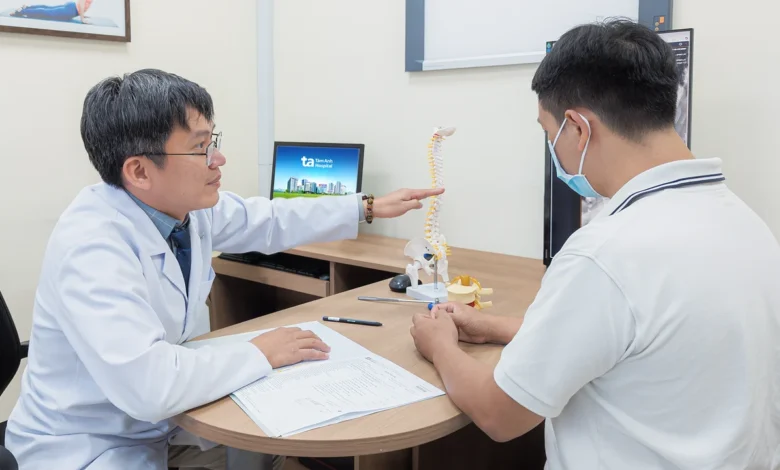
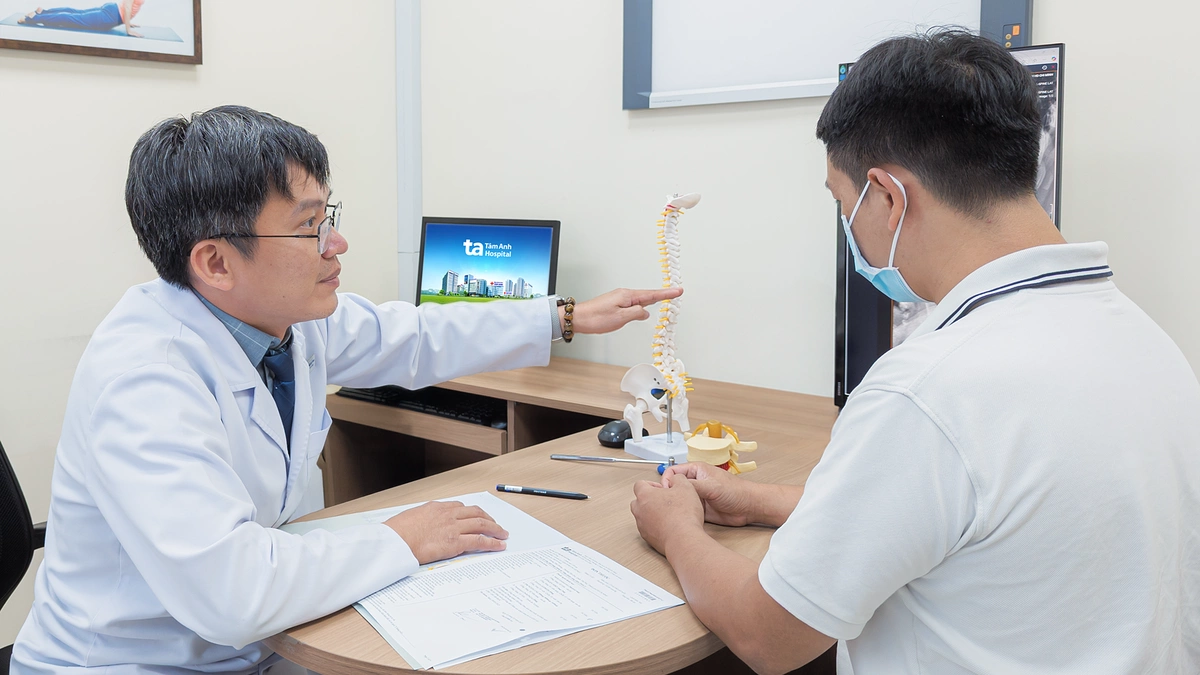
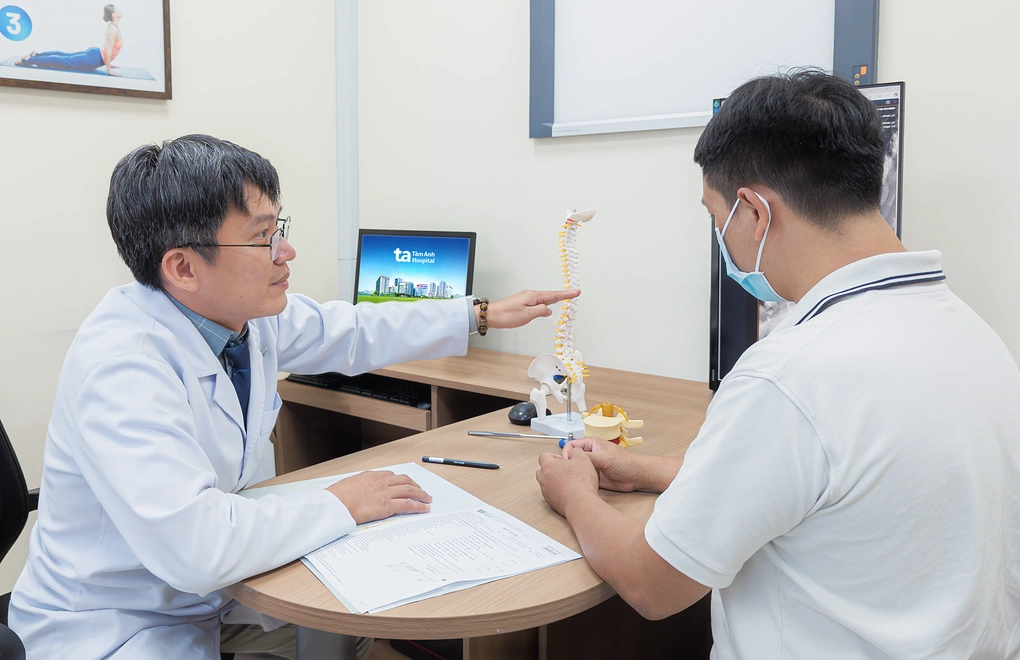
Neck and shoulder pain, clinically referred to as cervicalgia, has emerged as one of the most prevalent musculoskeletal complaints in the 21st century, affecting millions of individuals globally. While many perceive it as a fleeting discomfort resulting from a "wrong sleep" or a long day at the office, medical experts warn that the frequent recurrence of these symptoms often points to deeper physiological issues. According to Dr. Vu Ngoc Bao Quynh, a specialist from the Department of Spine Surgery at Tam Anh General Hospital in Ho Chi Minh City, the primary drivers behind the stubborn recurrence of neck and shoulder pain are a combination of improper daily habits and underlying pathological conditions that remain inadequately addressed.
The recurrence of this condition is often rooted in a self-perpetuating cycle of muscle tension and structural weakening. Dr. Quynh explains that when the musculoskeletal framework of the neck and shoulders is subjected to prolonged stress, the body’s natural supportive structures begin to fail. This failure is exacerbated when nerve root compressions are not treated at their source, leading to a chronic state of inflammation and discomfort. As the modern workforce shifts increasingly toward sedentary, screen-based roles, the incidence of these symptoms has seen a marked uptick, necessitating a comprehensive understanding of the mechanics of the spine and the preventative measures required to maintain long-term health.
The Physiological Mechanics of Muscle Fatigue and Pain
To understand why neck and shoulder pain recurs, one must first look at the anatomy of the cervical spine and the surrounding soft tissues. The neck is a complex structure comprising vertebrae, intervertebral discs, nerves, and a dense network of muscles and ligaments designed to support the weight of the head—which averages about 10 to 12 pounds in a neutral position. However, when the head is tilted forward, the effective weight on the cervical spine increases dramatically.
Dr. Quynh notes that when the muscles in the neck, shoulders, and upper back are stretched or contracted excessively for extended periods, the muscle fibers do not have the opportunity to relax. This leads to the formation of "trigger points" or localized areas of intense muscle spasm. If these points are not resolved through proper treatment and behavioral changes, they remain "latent," meaning they can be easily reactivated by even the slightest improper movement or minor stressor.
Furthermore, prolonged muscle tension leads to a physiological phenomenon known as localized ischemia, where blood circulation to the affected tissues is reduced. Blood is responsible for delivering oxygen and nutrients to muscles while removing metabolic waste products like lactic acid. When circulation is impaired, the muscles tire more easily, pain intensifies, and the recovery process slows down significantly. Over time, the chronic lack of elasticity in the muscles and connective tissues surrounding the cervical spine increases the risk of transitioning from acute pain to a chronic, degenerative state.
The Modern Lifestyle: A Chronology of "Tech Neck"
The rise of digital technology has introduced a new set of ergonomic challenges that have fundamentally altered human posture. The term "Tech Neck" or "Text Neck" has been coined by medical professionals to describe the repeated stress injury sustained from excessive looking down at handheld devices.
The chronology of how lifestyle habits lead to recurring pain usually follows a predictable pattern. It often begins with the adoption of "micro-habits"—seemingly harmless actions that, when repeated thousands of times, cause structural damage. These include:
- Hyper-flexion of the Neck: Looking down at a smartphone or tablet typically involves a 45 to 60-degree tilt of the head. At this angle, the weight exerted on the neck jumps from 12 pounds to nearly 60 pounds.
- Improper Computer Ergonomics: Sitting too close to a monitor or using a laptop on a low table forces the user to hunch their shoulders and protrude their chin forward, a position known as "Forward Head Posture."
- Asymmetric Loading: Clamping a telephone between the ear and shoulder or habitually carrying a heavy bag on only one side creates a significant muscular imbalance, pulling the cervical vertebrae out of alignment.
- Static Loading: Remaining in any single position for hours—common among office workers and long-distance drivers—prevents the "muscle pump" action that facilitates blood flow, leading to stiffness.
These habits do not cause permanent damage overnight. Instead, they create a cumulative strain. Initially, the body compensates by tightening certain muscle groups to stabilize the spine. Eventually, these muscles become overactive and exhausted, while the opposing muscles become weak and overstretched. This imbalance is the "silent" phase of the condition, where the patient feels fine until a minor trigger causes a major flare-up of pain.
Underlying Pathologies: When Pain is a Warning Sign
While lifestyle is a major contributor, Dr. Quynh emphasizes that recurring neck and shoulder pain is frequently a secondary symptom of an underlying spinal pathology. For many patients, the pain is a warning signal that the structural integrity of the spine is compromised.
The most common medical conditions associated with recurring cervicalgia include:
- Cervical Spondylosis: This is a general term for age-related wear and tear affecting the spinal discs in the neck. As the discs dehydrate and shrink, signs of osteoarthritis develop, including bony projections along the edges of bones (bone spurs).
- Herniated Discs: When the soft, jelly-like center of a spinal disc pushes through a tear in the tougher exterior, it can press against nearby nerves. This results not only in localized neck pain but also radiating pain, numbness, or weakness in the arms.
- Foraminal Stenosis: This condition involves the narrowing of the small openings between the vertebrae through which nerve roots exit the spinal cord. When these spaces narrow due to inflammation or bone spurs, the nerves are "pinched," causing chronic, recurring pain that is difficult to manage with rest alone.
Data from global health organizations suggest that musculoskeletal conditions are the leading contributor to disability worldwide, with neck pain consistently ranking in the top five causes. In Vietnam, as the economy transitions toward service and technology sectors, hospitals have reported a significant increase in young professionals seeking treatment for what was once considered an "old age" ailment.
Expert Recommendations for Prevention and Management
Preventing the recurrence of neck and shoulder pain requires a holistic approach that combines ergonomic adjustments, physical activity, and environmental awareness. Dr. Quynh and the medical team at Tam Anh General Hospital advocate for several key strategies:
1. Ergonomic Re-engineering
Patients are advised to audit their workstations. The top of the computer screen should be at eye level so the neck remains in a neutral position. Chairs should provide lumbar support, and feet should be flat on the floor. When using mobile devices, it is recommended to bring the device up to eye level rather than lowering the head to the device.
2. The 45-Minute Rule
The human body is not designed for stasis. Experts recommend standing up, walking, and performing gentle neck rotations and shoulder shrugs every 45 to 60 minutes. This "reset" helps re-oxygenate the muscles and prevents the build-up of static tension.
3. Balanced Physical Activity
Exercise is crucial, but it must be performed correctly. Low-impact activities like swimming, yoga, and Pilates are highly effective at strengthening the "core" muscles of the neck and back. However, Dr. Quynh warns against high-intensity training without proper form, as overextending tendons and ligaments can exacerbate existing spinal issues.
4. Sleep Hygiene
The position in which one sleeps plays a vital role in spinal health. Using a pillow that is too high or too firm can force the neck into an unnatural curve, while one that is too flat provides no support. A contoured orthopedic pillow that maintains the natural "S" curve of the spine is often recommended.
5. Thermal Protection
Environmental factors are often overlooked. Cold temperatures can cause muscles to contract involuntarily (shivering or tensing), which increases stiffness. Dr. Quynh suggests that office workers in air-conditioned environments or those living in shifting climates should use light scarves to keep the neck and shoulder area warm, maintaining optimal blood circulation.
Broader Impact and the Danger of Neglect
The implications of recurring neck and shoulder pain extend far beyond physical discomfort. There is a documented correlation between chronic musculoskeletal pain and decreased workplace productivity, increased absenteeism, and a decline in mental health. When pain becomes a constant presence, it can lead to sleep disturbances, irritability, and even depression.
More alarmingly, if the underlying causes—particularly those involving nerve compression—are ignored, the damage can become irreversible. Dr. Quynh warns that advanced stages of cervical spine disease can manifest as "myelopathy," a condition where the spinal cord itself is compressed. Symptoms of this severe progression include loss of fine motor skills (such as difficulty buttoning a shirt), weakness in the legs, balance issues, and in extreme cases, permanent paralysis.
The medical community’s consensus is clear: neck and shoulder pain should not be dismissed as a minor inconvenience. It is a complex physiological signal that requires professional evaluation, especially when it recurs. Early intervention, ranging from physical therapy and medication to, in some cases, minimally invasive surgery, can restore a patient’s quality of life and prevent long-term disability.
In conclusion, the modern epidemic of neck and shoulder pain is a byproduct of our evolving lifestyle, but it is not an inevitable one. By understanding the mechanics of the spine, addressing underlying pathologies, and committing to ergonomic and behavioral changes, individuals can break the cycle of recurrence. As Dr. Quynh suggests, the goal of treatment is not just to alleviate the pain of today, but to safeguard the structural health of the spine for the decades to come. Periodic health screenings and a proactive approach to musculoskeletal wellness remain the most effective defenses against the debilitating effects of chronic cervicalgia.