Walnuts, almonds, and peanuts: Should you consume them raw or roasted for optimal health benefits?

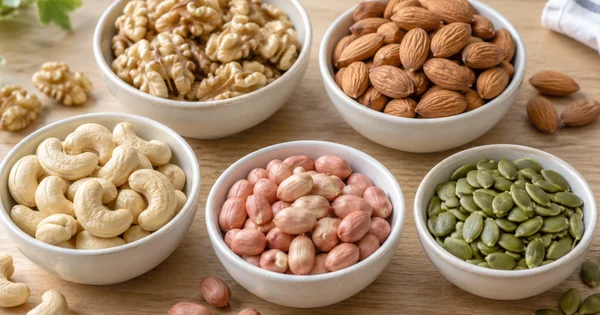
The global consumption of tree nuts and legumes has seen a significant surge over the past decade as public health awareness regarding plant-based nutrition reaches an all-time high. Nuts such as walnuts, almonds, cashews, and peanuts are celebrated by nutritionists and global health organizations alike for their dense concentrations of monounsaturated fats, high-quality proteins, dietary fiber, and a complex spectrum of essential vitamins and minerals. However, a common dilemma persists among health-conscious consumers: does the process of roasting these nutrient-dense foods fundamentally alter their health profile, or is the consumption of raw nuts the superior choice for longevity and wellness?
Nutritional Profile and Global Health Consensus
According to dietary experts, including those at the Department of Nutrition at Xuyen A General Hospital in Ho Chi Minh City, nuts are classified as foundational components of a heart-healthy diet. Major global health institutions—including the World Health Organization (WHO), the United States Food and Drug Administration (FDA), and various national health ministries—have consistently categorized these food items as nutrient-dense.
The primary appeal of nuts lies in their lipid profile. Unlike the saturated fats found in processed snacks, nuts are rich in polyunsaturated and monounsaturated fatty acids, which play a critical role in cardiovascular health by regulating cholesterol levels. Furthermore, the presence of tocopherols (vitamin E) and various phenolic compounds provides a robust antioxidant defense system that helps mitigate cellular oxidative stress.
The Science of Thermal Processing: A Chronological Assessment
The debate over roasting versus raw consumption is not merely culinary; it is biochemical. When nuts are subjected to thermal processing, the chemical structure of their bioactive compounds undergoes transformation.
Research published in the journal Food Chemistry has long scrutinized the shift in nutrient availability pre- and post-roasting. In a 2024 analysis, researchers compared the stability of essential nutrients in almonds, cashews, and walnuts across different temperature gradients. The data revealed a nuanced reality: while the total lipid content—the primary source of energy in nuts—remains largely stable during roasting, the impact on heat-sensitive micronutrients is significant.
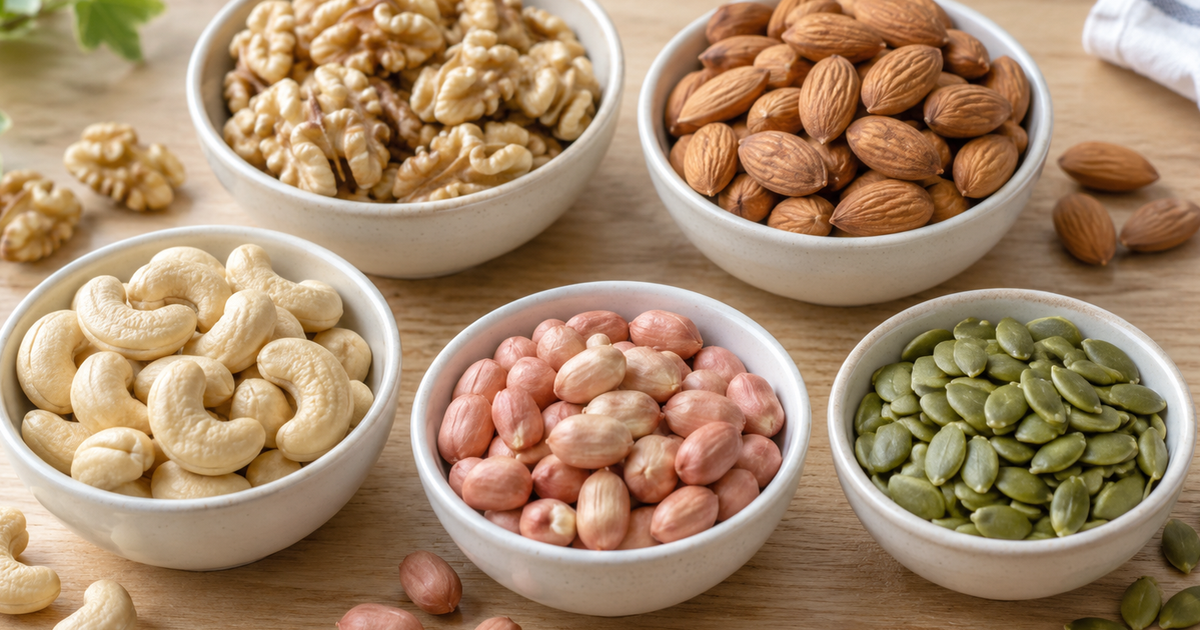
Specifically, vitamin E (tocopherol) levels show a measurable decline when exposed to temperatures exceeding 150°C. Furthermore, the antioxidant capacity—which is largely derived from water-soluble polyphenols—diminishes as the internal temperature of the nut increases. This phenomenon is most pronounced in walnuts, which contain higher levels of polyunsaturated fats that are particularly susceptible to oxidation under high heat.
Comparative Study: The 2025 Molecules Report
A landmark study published in the journal Molecules in 2025 provided the most comprehensive comparison to date regarding the preparation methods of nuts. By evaluating raw versus roasted samples of peanuts and walnuts, the research team identified a trade-off mechanism.
- The Loss Factor: High-temperature roasting (above 160°C) leads to the thermal degradation of vitamin E and a reduction in total phenolic content. This effectively lowers the antioxidant efficacy that these nuts provide in their raw state.
- The Gain Factor: Conversely, the study found that mild roasting—within the range of 120°C to 140°C—can actually enhance the bioavailability of certain compounds. The heat disrupts the cell wall structure of the nut, potentially making it easier for the digestive system to access certain nutrients, while simultaneously improving flavor profiles through the Maillard reaction.
The researchers concluded that the optimal balance exists at lower temperatures. Prolonged exposure to high heat does not necessarily yield better culinary results and, from a biochemical standpoint, creates a net loss in the nut’s protective properties.
Clinical Perspectives on Dietary Integration
Clinical nutritionists emphasize that while the roasting method is a variable, the primary health determinant remains the consistency and diversity of nut intake. Dr. Mai Thi Thuy of the Xuyen A General Hospital highlights that no single nut is a "superfood" in isolation. Instead, the synergy of consuming a variety—such as walnuts for Omega-3 fatty acids, almonds for calcium and magnesium, and peanuts for protein—provides a more comprehensive nutritional safety net.
"The goal is not to demonize roasting," Dr. Thuy notes. "Rather, the goal is to shift consumer habits toward smarter preparation."
The clinical recommendation is to prioritize raw, unsalted nuts whenever possible. If roasting is preferred for taste or texture, it should be performed at home at low temperatures, avoiding the commercial practice of deep-frying or over-roasting, which often involves the addition of trans-fats and excessive sodium.
Broader Public Health Implications
The trend of "clean eating" has led to an increase in the market for raw, organic nuts. However, there are food safety considerations that the average consumer may overlook. Raw nuts, particularly those sold in bulk, can harbor pathogens like Salmonella or E. coli if not handled correctly during the harvesting and storage processes. In this context, controlled roasting acts as a safety measure, effectively pasteurizing the nuts and reducing the risk of foodborne illness.
From a policy standpoint, public health messaging is shifting from a blanket endorsement of "nuts" to a more nuanced guidance on "processed versus raw." Health authorities are increasingly suggesting that labels on packaged nut products should clearly state the roasting temperature to allow consumers to make informed choices.
Strategic Consumption: A Recommended Framework
To maximize the benefits of nuts while minimizing the potential degradation of nutrients, nutritionists suggest the following framework:
- Moderation is Paramount: Despite their health benefits, nuts are calorie-dense. A standard serving size is approximately 25 to 30 grams per day, roughly the amount that fits in a cupped palm.
- Rotation: By cycling through different varieties—walnuts, pistachios, hazelnuts, and seeds—individuals can avoid the potential accumulation of specific anti-nutrients (like phytic acid) and ensure a broad spectrum of minerals.
- The "Low and Slow" Approach: For those who insist on roasting, the internal temperature should remain below 150°C. This threshold preserves the structural integrity of the unsaturated fats and keeps the loss of vitamin E to a negligible minimum.
- Avoid Additives: The most significant threat to the nutritional profile of nuts is not the heat itself, but the secondary ingredients. Sugar-coated, honey-roasted, or heavily salted nuts can quickly convert a healthy snack into a source of excess calories and inflammation-promoting additives.
Conclusion
The evolution of nutritional science confirms that while roasting does alter the chemical composition of nuts, it does not render them "unhealthy." The choice between raw and roasted is a matter of prioritizing maximum nutrient density versus culinary preference and food safety. By opting for raw nuts or lightly, home-roasted varieties, consumers can enjoy the full range of cardiovascular and metabolic benefits that these essential foods provide. Ultimately, the integration of diverse, minimally processed nuts into a daily diet remains one of the most effective, evidence-based strategies for long-term health maintenance. As research continues to refine our understanding of these complex plant foods, the focus should remain on simple, whole-food consumption patterns that prioritize nutrient retention and minimize unnecessary chemical additions.