High blood pressure management after dinner: Why a cup of hibiscus tea is a recommended addition to your routine

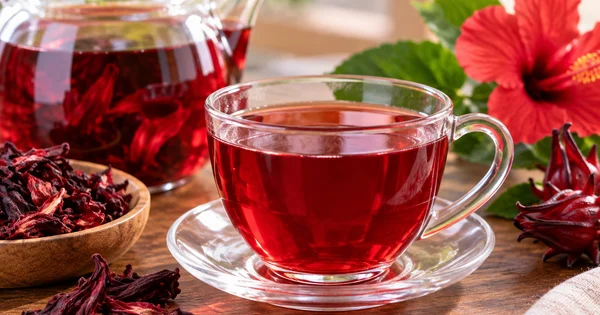
For individuals struggling to maintain healthy blood pressure levels, the evening hours often represent a critical window for dietary choices. While many people gravitate toward caffeinated beverages or sugary snacks to wind down after dinner, nutrition experts and cardiovascular health specialists increasingly point to a potent, natural alternative: hibiscus tea. This vibrant, ruby-red infusion, derived from the dried calyces of the Hibiscus sabdariffa plant, has emerged as a scientifically backed dietary tool that offers potential benefits for heart health without the disruptive influence of caffeine.
The Science Behind the Hibiscus Benefit
Hibiscus tea is not merely a flavorful beverage; it is a complex infusion rich in bioactive plant compounds. Specifically, the tea contains high concentrations of polyphenols and anthocyanins—the pigments responsible for its deep red color. These compounds are extensively researched for their potent antioxidant properties, which are crucial for combating oxidative stress and supporting the structural integrity of blood vessels.
The mechanism by which hibiscus may influence blood pressure is thought to be tied to these antioxidants, which help prevent the hardening of arteries and facilitate better endothelial function. By promoting relaxation of the blood vessels, the active compounds in hibiscus tea may contribute to a more stable hemodynamic profile, making it a subject of significant interest in the field of preventative cardiology.
Clinical Evidence and Research Context
The potential cardiovascular impact of hibiscus has been the focus of various clinical investigations. One notable randomized, double-blind, placebo-controlled trial involved 65 adults between the ages of 30 and 70 who were identified as either pre-hypertensive or mildly hypertensive. The participants were divided into two groups: one consumed three 240-ml cups of hibiscus tea daily for a duration of six weeks, while the other received a placebo beverage.
The findings, which were published in leading nutrition journals, were compelling. The group that consumed the hibiscus tea experienced an average reduction in systolic blood pressure of approximately 7.2 mmHg, compared to a nominal 1.3 mmHg reduction in the control group. While these results are statistically significant and encouraging, researchers urge caution in interpreting these findings. The study had a relatively small sample size, and it focused specifically on populations with elevated, rather than severe, blood pressure. Therefore, medical professionals emphasize that hibiscus tea should be viewed as a complementary dietary adjunct rather than a replacement for pharmacological intervention or standard hypertensive therapy.
Strategic Integration into an Evening Routine
One of the primary advantages of hibiscus tea for evening consumption is its complete lack of caffeine. For those who are sensitive to stimulants or who suffer from sleep disturbances linked to late-day caffeine intake, hibiscus serves as an ideal replacement for black tea, green tea, or coffee.
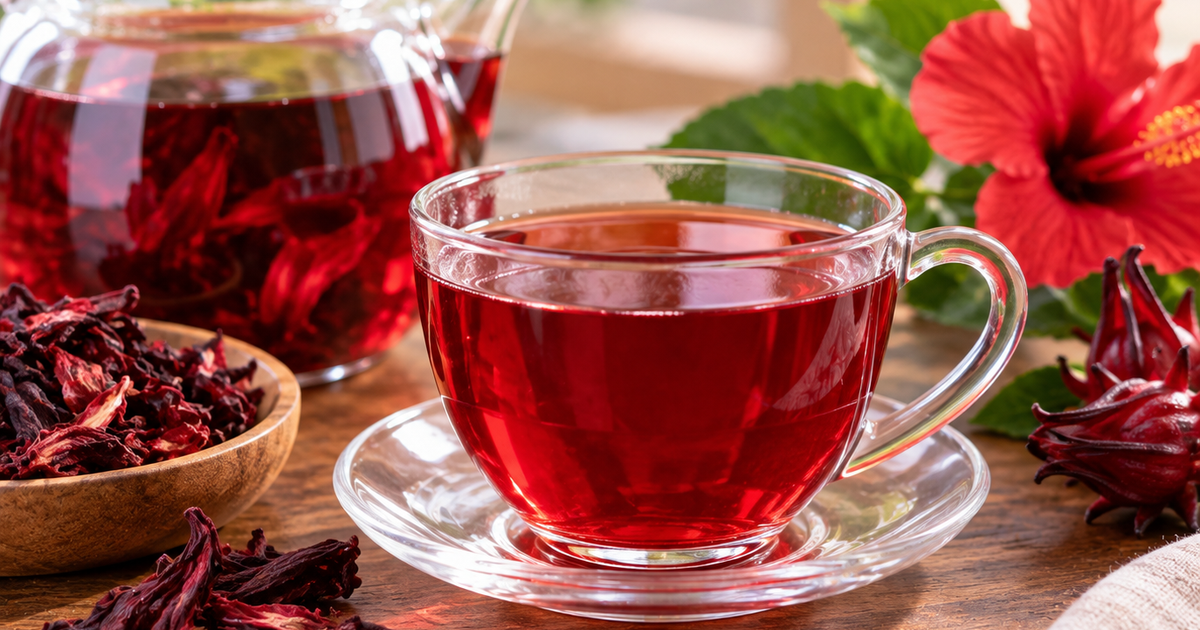
To prepare the tea effectively, one can use either dried or fresh hibiscus petals, steeping them in hot water and allowing the mixture to cool. The beverage possesses a natural, tart flavor profile—often compared to cranberry—which eliminates the need for excessive sweeteners. Experts warn that transforming a healthy infusion into a sugary drink by adding syrups, honey, or high-calorie sweeteners can negate the cardiovascular benefits. Maintaining the purity of the drink is essential for those adhering to a heart-healthy diet.
The Broader Landscape of Hypertension Management
The American Heart Association (AHA) maintains that blood pressure management cannot be achieved through a single "superfood" or beverage. Instead, it requires a comprehensive, multi-faceted strategy. According to the AHA, effective hypertension control is anchored by several core pillars:
- Dietary Patterns: Prioritizing the consumption of fresh vegetables, fruits, whole grains, lean proteins, and legumes.
- Sodium Reduction: Strictly limiting the intake of processed foods and table salt, which are major contributors to fluid retention and elevated pressure.
- Potassium Intake: Increasing the consumption of potassium-rich foods, which helps the body excrete sodium and relaxes blood vessel walls.
- Physical Activity: Engaging in at least 150 minutes of moderate-intensity aerobic exercise per week. This includes activities such as brisk walking, cycling, or swimming, which improve circulation and heart efficiency.
- Weight Management: Maintaining a healthy body mass index (BMI) to reduce the workload on the heart.
- Substance Moderation: Limiting or avoiding alcohol and tobacco, both of which have profound negative effects on vascular health.
Clinical Warnings and Medical Oversight
While hibiscus tea is generally considered safe for most adults, individuals currently undergoing treatment for hypertension must exercise caution. A critical warning issued by medical experts is the danger of self-adjusting medication dosages. Patients should never replace prescribed anti-hypertensive drugs with herbal remedies or dietary changes without explicit consultation with their primary care physician.
"Hibiscus tea should be viewed as a component of a lifestyle strategy rather than a primary treatment," notes Dr. Patricia Kolesa, a specialist in nutritional cardiology. "If your blood pressure remains consistently high despite dietary modifications and consistent exercise, it is imperative to speak with a healthcare provider to ensure that your treatment plan is both safe and effective."
Implications for Long-Term Cardiovascular Health
The growing interest in hibiscus tea reflects a broader shift toward "food-as-medicine" in the management of chronic conditions. As the prevalence of hypertension continues to rise globally due to sedentary lifestyles and processed diets, the search for accessible, non-pharmacological interventions has gained momentum.
The significance of this research lies in its potential to empower patients to take proactive steps in their own health journey. By replacing a high-sugar or caffeinated evening beverage with a cup of hibiscus tea, individuals can make a small, consistent change that aligns with their body’s physiological needs.
Furthermore, the research underscores the importance of the "micro-choices" we make throughout the day. While one cup of tea will not reverse years of poor cardiovascular health, the cumulative effect of mindful eating and drinking—combined with regular physical activity and clinical oversight—can provide a robust defense against the complications of hypertension, including stroke, heart attack, and kidney failure.
Summary of Best Practices
For those interested in incorporating hibiscus tea into their health regimen, the following guidelines are recommended:
- Consistency is Key: Based on clinical models, moderate, consistent consumption (e.g., 1–3 cups daily) is more effective than sporadic intake.
- Monitor Your Response: Since hibiscus has a known impact on blood pressure, those taking blood pressure medication should monitor their readings carefully to ensure their pressure does not drop to dangerously low levels (hypotension).
- Prioritize Quality: Use high-quality, organic dried hibiscus to avoid potential pesticide residues.
- Consult a Professional: Always disclose any new dietary additions, including herbal teas, to a doctor, particularly if one is taking diuretics or other heart medications, as there is potential for interaction.
In conclusion, while the path to managing hypertension is often complex, the inclusion of evidence-based habits such as drinking hibiscus tea offers a promising, natural, and accessible strategy. By combining this with the proven recommendations of major heart health organizations, individuals can build a sustainable, long-term approach to maintaining optimal blood pressure and overall cardiovascular vitality. The transition toward heart-healthy habits is not an overnight process, but rather a series of informed, daily decisions that, over time, yield significant improvements in life expectancy and quality of life.