Top 6 Plug-in Hybrid Vehicles with the Longest Electric Range Redefining the UK Automotive Market

The automotive landscape in the United Kingdom is currently witnessing a significant shift in consumer preference as Plug-in Hybrid Electric Vehicles (PHEVs) emerge as a dominant force in the transition toward sustainable mobility. According to the latest market data, PHEV sales in the UK have surged by 41.8%, capturing a 13.1% market share compared to 10.1% in the previous year. This growth is largely attributed to the evolving capability of these vehicles to bridge the gap between traditional internal combustion engines (ICE) and battery electric vehicles (BEVs), offering the flexibility of long-distance travel with the localized emission-free benefits of an electric car. Recent research conducted by YouGov underscores this transition, revealing that approximately 69% of British drivers cover less than 32 kilometers (20 miles) in their daily commutes. Consequently, modern PHEVs, which now boast significantly larger battery capacities and refined energy management systems, are increasingly capable of meeting these daily requirements without ever engaging their gasoline engines.
The Evolution of the PHEV Segment
In the early stages of hybrid development, plug-in models were often viewed as "compliance cars"—vehicles designed primarily to meet tightening emission standards rather than to provide a comprehensive electric driving experience. These first-generation PHEVs typically offered a modest electric-only range of approximately 30 to 50 kilometers. However, the current generation has undergone a technological metamorphosis. By integrating higher-density lithium-ion batteries and more efficient electric motors, manufacturers have pushed the pure-electric boundaries beyond the 110-kilometer mark, with some flagship models even exceeding 150 kilometers under the Worldwide Harmonised Light Vehicles Test Procedure (WLTP) standards.
This technological leap is not merely about distance; it is about the practicality of the "electric-first" lifestyle. For a majority of UK households, a PHEV with a 100-kilometer range can function as a pure EV for the duration of the work week, requiring the internal combustion engine only for weekend excursions or emergency long-distance trips. This dual-purpose utility is a primary driver behind the segment’s 41.8% growth rate, as it effectively mitigates "range anxiety," a psychological barrier that continues to hinder the adoption of full BEVs among certain demographics.
Top 6 Long-Range PHEVs in the UK Market
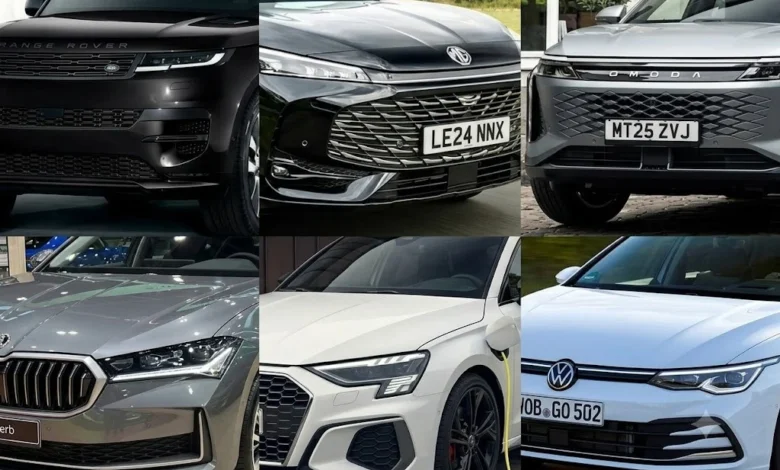
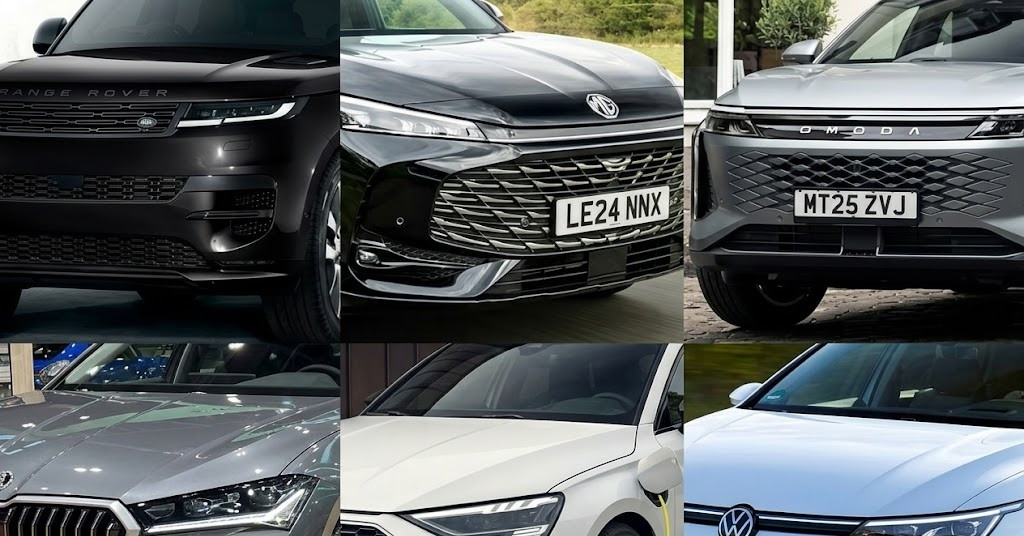
Based on a comprehensive analysis by industry experts and data compiled from This Is Money and the Daily Mail, the following six models represent the pinnacle of current PHEV range capability in the United Kingdom.
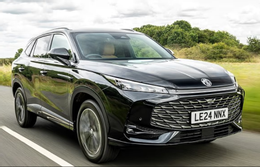
1. Omoda 9 SHS (Over 150km)
Leading the charge is the Omoda 9 SHS, a mid-sized SUV from the Omoda brand, which operates under the umbrella of the Chinese automotive giant Chery Group. The Omoda 9 features a sophisticated "Super Hybrid System" (SHS) that combines a 1.5L turbocharged gasoline engine with a high-capacity 34kWh battery and a triple-motor configuration.
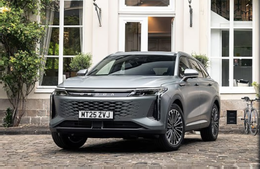
The manufacturer claims a pure electric range of approximately 150 kilometers, the highest currently available in the UK PHEV market. When the gasoline engine is utilized in tandem with the electric system, the total driving range extends to an impressive 1,120 kilometers. Beyond its efficiency, the Omoda 9 is positioned as a premium family SUV, featuring a 24.6-inch curved display, integrated cabin fragrance systems, and a mini-refrigerator. With a starting price of approximately £45,000 (roughly 1.57 billion VND), it represents a competitive entry from a Chinese manufacturer looking to disrupt the European luxury segment.
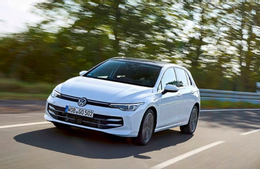
2. Volkswagen Golf eHybrid (143km)
The Volkswagen Golf, a perennial bestseller in the UK since 1976, has successfully adapted to the electric era with the eHybrid variant. Offering an electric range of 143 kilometers, the Golf eHybrid proves that long-range capabilities are no longer exclusive to large, heavy SUVs.
The powertrain consists of a 1.5L TSI gasoline engine paired with an electric motor, producing a combined 201 horsepower. The vehicle utilizes Volkswagen’s latest MIB4 software and a 12.9-inch infotainment screen to help drivers manage energy flow and charging schedules. Priced from £36,490, the Golf eHybrid remains a top choice for urban professionals who require a compact, maneuverable vehicle that can handle a full week of commuting on a single charge.
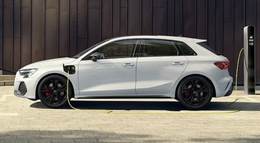
3. Audi A3 Sportback TFSI e (142km)
Closely trailing its Volkswagen Group sibling is the Audi A3 Sportback TFSI e. With a pure electric range of 142 kilometers, this premium hatchback utilizes the 1.5 TFSI evo2 engine and a high-voltage battery pack. Audi has also equipped this model with DC fast-charging capabilities, a feature once reserved only for full EVs, allowing the battery to be replenished significantly faster than standard PHEVs.
The A3 Sportback maintains Audi’s signature sporty aesthetic while incorporating the "Virtual Cockpit" and luxury materials throughout the cabin. Available in two power outputs—the 40 TFSI e and the 45 TFSI e—the model starts at £39,940 in the UK market.
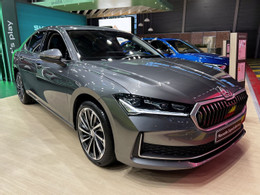
4. Skoda Superb iV (Approximately 135km)
The Skoda Superb has long been favored for its class-leading interior space and practicality. The new iV (plug-in hybrid) generation has seen a massive improvement in range, jumping from a mere 56 kilometers in the previous model to approximately 135 kilometers today.
The Superb iV uses a 1.5 TSI engine combined with an 85kW electric motor to produce a total system output of up to 218 horsepower. With a 510-liter luggage capacity and a 13-inch central infotainment hub, it is designed for high-mileage executive use and family transport. Its starting price of £41,465 reflects its positioning as a high-value alternative to premium German sedans.
5. MG HS Plug-in Hybrid (Over 120km)
The MG HS Plug-in Hybrid stands out as the most accessible entry on this list, with a starting price of £32,495. Despite its lower price point, it offers a substantial 121-kilometer electric range thanks to a 24.7kWh battery.
The 2024 redesign of the MG HS has been praised for its vastly improved exterior styling and more sophisticated interior. By combining a 1.5L turbo engine with a powerful electric motor, the HS delivers a combined 221 horsepower. Industry analysts suggest that MG’s aggressive pricing and long-range battery technology are key factors in the brand’s rapid expansion across the UK and Europe.
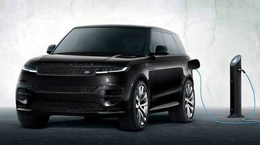
6. Range Rover Sport Electric Hybrid (Over 117km)
Rounding out the top six is the Range Rover Sport Electric Hybrid. While traditional SUVs of this size were once criticized for their fuel consumption, the Electric Hybrid variant offers over 117 kilometers of silent, emission-free driving.
The 460PS version features a 3.0L six-cylinder Ingenium engine and a massive 38.2kWh battery. Despite its eco-credentials, it retains the legendary Land Rover off-road capability via the Terrain Response system and provides a sanctuary-like interior with Meridian audio and massaging seats. At a starting price of £87,010, it caters to the ultra-luxury segment where performance and sustainability must coexist.
Market Analysis and Economic Implications
The rise of long-range PHEVs is not occurring in a vacuum. It is being propelled by a combination of consumer demand, technological innovation, and stringent government regulations. In the UK, the government’s Zero Emission Vehicle (ZEV) mandate requires a growing percentage of manufacturers’ sales to be zero-emission each year. While PHEVs are not classified as zero-emission, their ability to operate as EVs for the majority of their lifespan helps manufacturers lower their overall fleet CO2 averages.
Furthermore, the financial incentives for corporate buyers in the UK are a major factor. The Benefit-in-Kind (BIK) tax system heavily favors vehicles with lower CO2 emissions and longer electric ranges. Vehicles that can travel over 130 kilometers on electric power alone qualify for significantly lower tax brackets, making the models listed above highly attractive for company car fleets and business owners.
Infrastructure and the Future Outlook
While the range of these vehicles is impressive, industry experts emphasize that the success of the PHEV segment depends on the continued expansion of the UK’s charging infrastructure. Although 69% of drivers travel less than 32km daily, the ability to charge at home or at work is vital to realizing the environmental benefits of a PHEV. Data suggests that when PHEVs are not charged regularly, they can be less efficient than standard hybrids due to the added weight of the battery.
However, the current trend indicates that as battery technology continues to improve, the "plug-in" aspect of these cars will become even more seamless. We are likely to see more PHEVs adopting DC fast-charging, allowing drivers to add 80-100km of range in the time it takes to have a coffee at a motorway service station.
In conclusion, the UK’s shift toward long-range PHEVs represents a pragmatic and effective middle ground in the journey toward a net-zero transport system. By offering 120km to 150km of electric range, models like the Omoda 9, VW Golf, and Range Rover Sport provide a viable solution for the millions of drivers who are ready to embrace electric power but are not yet ready to abandon the security of a liquid-fuel backup. As these vehicles become more affordable and their ranges continue to grow, the distinction between a "hybrid" and an "electric car" will continue to blur, ultimately accelerating the decarbonization of the British roads.