Comprehensive National Infrastructure Planning and the Strategic Evolution of Vietnam’s Postal Network in the Digital Era


Vietnam is currently experiencing a profound structural transformation across its socio-economic landscape, anchored by the implementation of its inaugural comprehensive national Master Plan for the Information and Communications Technology (ICT) infrastructure. Approved to guide the nation through 2030 with a vision extending toward 2050, this monumental planning framework establishes a unified blueprint designed to harmonize regional development, modernize the nation’s digital backbone, and streamline governance and economic productivity. Within this broader national strategy, the modernization and strategic repositioning of the postal sector stand out as critical components. Historically viewed through a traditional lens of letter delivery and localized correspondence, Vietnam’s postal network is now being re-engineered to serve as an indispensable pillar of the digital economy, heavily integrated with e-commerce, logistics, and supply chain resiliency.
The evolution of the postal sector marks a departure from historical fragmentation toward a synchronized, technology-driven ecosystem. As Vietnam accelerates its national digital transformation, the alignment of physical delivery networks with digital data flows has become paramount. This comprehensive overview examines the background, strategic objectives, technological integration, and broader economic implications of the newly minted postal infrastructure blueprint.
Background and Historical Context of Vietnam’s Postal Infrastructure
To understand the magnitude of the current postal sector overhaul, one must examine the baseline from which Vietnam’s postal network operated leading up to 2020. Over the past decades, Vietnam successfully established an extensive physical service footprint. By the end of 2020, the nation boasted over 21,600 postal service points, achieving a population service radius significantly higher than the global average. This expansive network ensured that even remote, rural, and mountainous communities maintained basic access to postal communication.

However, despite this widespread physical presence, structural limitations persisted. The traditional postal network was not fully optimized to support the explosive growth of modern e-commerce and advanced logistics. Postal and courier enterprises largely developed independent, fragmented network infrastructures tailored solely to their individual commercial objectives, resulting in a lack of institutional synergy. Public postal networks operated largely detached from the broader networks utilized by private commercial operators. Furthermore, logistics linkages remained confined to basic commercial business cooperation and tactical alliances with foreign transport firms aimed at cutting immediate costs, lacking a formalized, long-term strategic alignment.
Recognizing these inefficiencies, the drafting agencies behind the ICT Infrastructure Master Plan undertook extensive nationwide surveys, analyzed domestic and international market trends, and collaborated closely with regulatory bodies such as the Viet Nam Post and Telecommunications Group (VNPT), the Vietnam Post Corporation (Vietnam Post), and private sector leaders like Viettel Post. The resulting blueprint directly addresses these historical shortcomings by redefining the postal sector not merely as a communication medium, but as a vital physical supply chain network operating in parallel with the nation’s digital data streams.
Strategic Objectives and Quantitative Targets Through 2025 and 2030
The newly enacted Master Plan establishes rigorous, data-driven targets to reshape the postal sector into a high-capacity, technology-enabled logistics backbone. According to the blueprint, the quantitative goals set for 2025 mandate a total processing capacity capable of handling approximately 93,000 tons of mail and parcels per day. To ensure swift regional and international connectivity, the maximum processing time for cross-border and inter-provincial transit between processing hubs is capped at five days, while intra-provincial delivery times are restricted to a maximum of two days.
To support this massive physical throughput, the infrastructure hierarchy is being structurally centralized and reinforced. The plan mandates the establishment of 3 to 5 regional postal hubs nationwide by 2030, with initial intermediate benchmarks requiring specialized regional centers capable of handling an average capacity exceeding 11,000 tons of parcels per day across an average service radius of 350 kilometers. Additionally, a tier of 14 zonal postal hubs will be deployed, each maintaining a daily processing capacity of over 4,500 tons and an average service footprint of 115 kilometers.
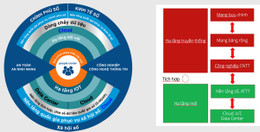
These quantitative benchmarks are designed to guarantee that every citizen across Vietnam retains the guaranteed right to access and utilize stable, high-quality postal services at reasonable, regulated tariffs. The network’s architecture explicitly incorporates redundancy planning to ensure continuous supply chain operations and prevent disruptions during national emergencies or public health crises.
Technological Modernization and the Rise of Smart Logistics
A cornerstone of the new infrastructure planning is the aggressive integration of advanced technologies into traditional postal workflows. As e-commerce volumes surge alongside digital economic expansion, manual sorting and traditional warehousing are increasingly inadequate. Consequently, postal enterprises have been mandated to invest heavily in automated sorting technologies, high-speed parcel conveyance systems, advanced optical character recognition (OCR) for mail processing, automated guided vehicles (AGVs), and Internet of Things (IoT) tracking devices.
Representatives from the Ministry of Information and Communications (MIC) emphasize that these technological upgrades are essential for minimizing overhead logistics costs and maximizing national resource efficiency. By deploying smart logistics platforms, the sector aims to bridge the physical-digital divide, allowing real-time tracking of physical goods alongside digital transactions. This technological shift directly supports the "Make in Viet Nam" initiative, encouraging domestic technology firms and postal operators to co-develop proprietary digital platforms, automated machinery, and enterprise resource planning systems tailored specifically to the domestic market.
Furthermore, the public postal operator, Vietnam Post, alongside major private logistics competitors, shares the responsibility of building out the national digital postal infrastructure. During the formal announcement event of the ICT Infrastructure Master Plan, Deputy Minister of Information and Communications Phan Tam explicitly directed major postal enterprises to concentrate their capital and operational resources on developing wide-coverage, high-technology physical networks. The directive emphasizes shared infrastructure utilization among competing firms—such as shared transport routes, consolidation hubs, and digital data exchanges—to collectively drive down national logistics expenses, which have historically constituted a significant barrier to the competitiveness of Vietnamese manufacturing and retail goods on the global stage.

Official Responses and Industry Stakeholder Perspectives
The alignment of public policy with industry execution has garnered widespread support from key stakeholders across the public and private sectors. Leadership at Vietnam Post has underscored that the inclusion of comprehensive postal network planning within the 2021–2030 ICT Master Plan represents a historic milestone. Industry executives note that the framework provides essential legal and operational predictability, enabling legacy operators to attract investment and strategically adapt to the fast-evolving digital era.
"The postal network acts as the physical delivery mechanism that secures the ultimate outcome of the digital economy within the broader ecosystem of smart living, smart society, and a digital nation," an official representative of Vietnam Post stated during consultations. "This framework ensures that the public postal service is not left behind, but rather elevated to serve as a high-performance channel that connects every corner of the country to modern commercial opportunities."
Concurrently, research bodies such as the Vietnam ICT Strategy Institute have highlighted the inclusive nature of the planning process. By continuously vetting development scenarios against empirical data from both domestic and foreign markets, the drafters ensured high feasibility. The emphasis on universal service obligations ensures that commercial modernization does not compromise the state’s social welfare mandates, particularly for populations residing in remote, rural, or economically disadvantaged regions.
Broader Economic Implications and National Competitiveness
The broader economic implications of the ICT Infrastructure Master Plan—specifically its postal and logistics components—extend far beyond the immediate modernization of mail delivery services. By systematically lowering logistics costs, which currently account for a substantial percentage of Vietnam’s Gross Domestic Product (GDP), the master plan directly enhances the international competitiveness of Vietnamese exports.

Efficient physical logistics paired with robust digital infrastructure creates a seamless trading environment for small and medium-sized enterprises (SMEs), agricultural producers, and cottage industries. Farmers in remote provinces can now leverage the nationwide postal network to transport perishable agricultural goods directly to urban consumer markets or export hubs within strict freshness timeframes, facilitated by cold-chain logistics integration outlined in the supplementary sectoral guidelines.
Ultimately, the comprehensive restructuring of Vietnam’s postal infrastructure under the new national master plan redefines the sector’s identity. No longer viewed as a declining legacy industry, the postal network has been successfully repositioned as a high-tech, agile, and indispensable component of Vietnam’s national digital architecture. Through strategic capital allocation, technological adoption, regulatory harmonization, and a steadfast commitment to universal service access, Vietnam is systematically laying the physical and digital groundwork required to sustain resilient, inclusive, and high-income economic growth for the decades ahead.