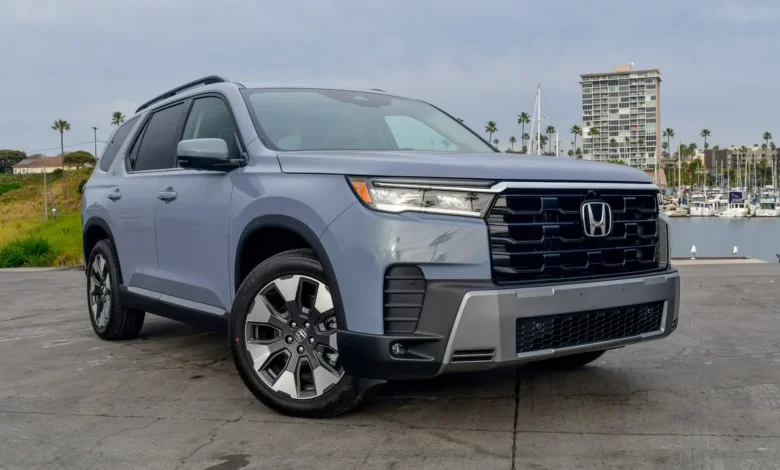
Honda Motor Company is reportedly accelerating preparations to enter the fiercely contested large, three-row SUV segment in North America with an all-new flagship model widely anticipated in industry circles as the "Pilot XXL." Designed to directly challenge category heavyweights such as the Toyota Grand Highlander, Ford Explorer, and Nissan Armada, this upcoming vehicle represents a strategic pivot for the Japanese automaker. By expanding its footprint into the oversized family utility market, Honda aims to capture a lucrative demographic of consumers who require maximum passenger and cargo capacity without transitioning to a traditional truck-based platform. According to automotive industry reports, the production of this ambitious new model is slated to begin by the first quarter of 2032, with a preliminary reveal expected significantly earlier to gauge market reception.
The North American automotive landscape has long exhibited an insatiable appetite for large three-row utility vehicles, viewing them as the quintessential modern family transport. While Honda has enjoyed enduring success with the standard Pilot, the brand has historically lacked a true contender in the larger-than-life footprint category currently dominated by extended wheelbases and full-size architectures. The upcoming Pilot XXL is projected to address this product gap directly by extending the standard Pilot’s overall length by approximately 200 millimeters. This substantial physical elongation will translate directly into vastly improved third-row legroom and expanded cargo volume behind the rearmost seats, satisfying the primary demands of large families and long-distance travelers.
Engineering Architecture and Powertrain Innovation
Unlike many traditional full-size SUVs in the American market that rely on body-on-frame truck architectures, Honda has chosen to build the Pilot XXL upon an advanced, highly rigid unibody platform. This engineering decision ensures that despite its massive proportions, the vehicle will retain the refined, car-like driving dynamics, superior ride comfort, and predictable handling characteristics that consumers have come to expect from the Honda badge. The unibody construction also allows for a lower floor pan, maximizing interior headroom and facilitating easier ingress and egress for passengers across all three rows.
Beneath the sculpted exterior, the Pilot XXL will feature Honda’s newly developed V6 hybrid powertrain. This sophisticated system pairs a responsive internal combustion engine with advanced electric motor integration, delivering an optimal balance of robust performance and fuel efficiency. Furthermore, the vehicle will incorporate an electric all-wheel-drive (AWD) system featuring a dedicated electric motor mounted on the rear axle. This configuration allows for precise, instantaneous torque vectoring to individual wheels, enhancing all-weather traction and stability across challenging road conditions, whether navigating slippery winter snow or towing heavy recreational loads.
Chronology and Development Roadmap
The genesis of the Pilot XXL is deeply rooted in Honda’s broader product lifecycle planning and platform-sharing strategies. Industry insiders indicate that the large SUV will share its fundamental architecture with an upcoming high-end three-row utility vehicle from Honda’s luxury division, Acura, provisionally referred to in development schedules as the Acura XL. This cross-brand platform sharing allows Honda to optimize research and development expenditures while leveraging luxury-tier design cues, premium material sourcing, and cutting-edge manufacturing techniques.
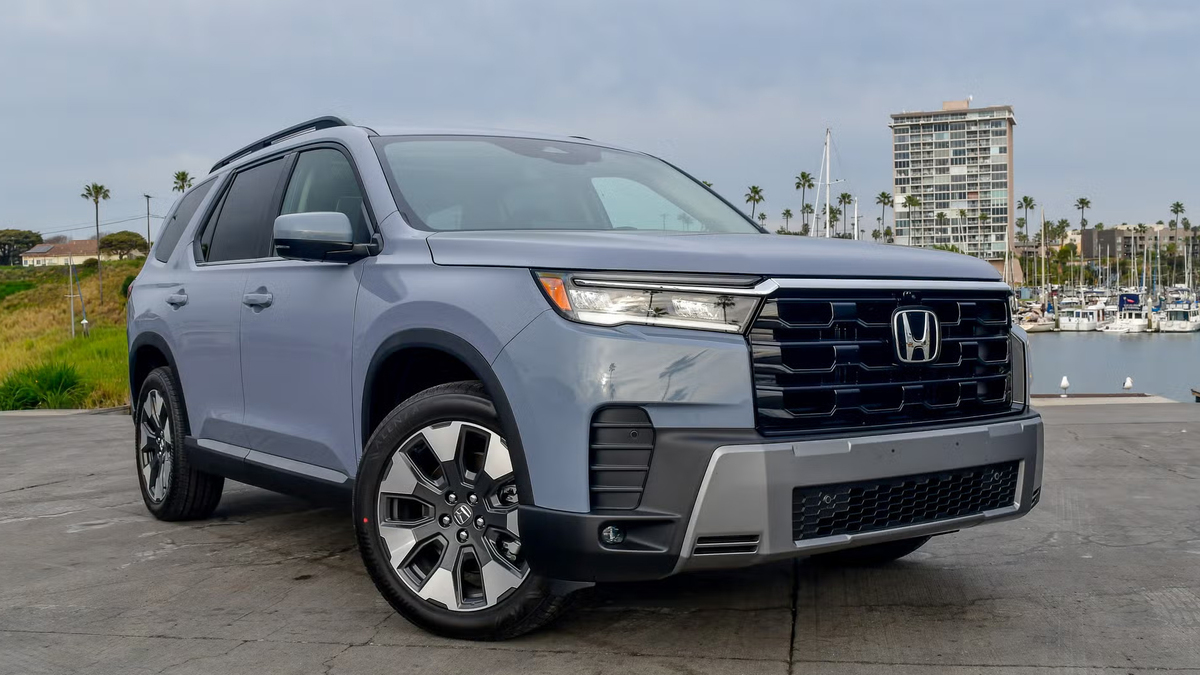
The developmental timeline leading up to the market launch of the Pilot XXL is structured across several critical milestones:
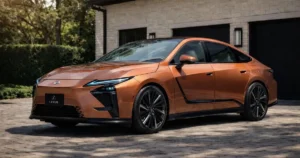
- May: Acura previews its design direction for large electrified utility vehicles with the debut of a high-profile hybrid SUV concept, establishing the aesthetic blueprint for upcoming flagship models across both the Acura and Honda brand portfolios.
- September 2029: Honda is scheduled to initiate formal assembly line preparations for the platform-sharing Acura variant, setting the industrial groundwork and supply chain readiness required for larger-scale unibody production.
- First Quarter 2032: Official manufacturing and commercial rollout of the Honda Pilot XXL commence in North America, introducing the brand’s largest unibody SUV to dealership showrooms.
- Ongoing through 2029: Honda concurrently advances the development of approximately 15 distinct hybrid and electrified SUV models, systematically refreshing its North American product lineup to meet tightening environmental regulations and shifting consumer preferences.
Pricing Strategy and Market Positioning
As a flagship offering boasting expanded dimensions and advanced electrification, the Pilot XXL is expected to carry a significant price premium over the standard Honda Pilot, which currently starts at just over $42,000. However, automotive retail analysts note that this anticipated price increase aligns closely with broader macroeconomic trends in the United States, where the average transaction price for new vehicles has steadily pushed toward the $50,000 threshold.
Honda franchise dealers have expressed strong confidence that the market will readily absorb the higher price point, provided the vehicle delivers exceptional interior craftsmanship, advanced safety suites, and superior cabin technology. By drawing stylistic inspiration from the Acura hybrid concept unveiled earlier in the year, the Pilot XXL is expected to shed any utilitarian styling stigma, presenting a commanding, sophisticated aesthetic that appeals to affluent suburban buyers. Automotive economists suggest that if executed correctly, the vehicle could become a high-margin volume driver for the brand, effectively bridging the gap between mainstream family haulers and luxury-tier alternatives.
Competitive Landscape and Strategic Implications
Entering the oversized utility segment will require Honda to navigate intense competition from entrenched domestic and foreign rivals. The Toyota Grand Highlander has established a dominant benchmark in the electrified large-crossover space, while traditional competitors such as the Ford Explorer and Nissan Armada command fierce brand loyalty among utility-focused buyers. Nevertheless, Honda enters this competitive arena armed with an enviable reputation for long-term mechanical reliability, high residual values, and widespread brand trust.
The introduction of the V6 hybrid powertrain addresses the historic Achilles’ heel of large SUVs—poor fuel economy—without sacrificing the towing capacity and passing power demanded by American motorists. By aligning environmental responsibility with the spaciousness required by modern multi-generational families, Honda is strategically positioning the Pilot XXL to capture market share from both traditional SUV buyers and early adopters of electrification.
Ultimately, the launch of the Pilot XXL underscores Honda’s methodical approach to long-term portfolio expansion. Rather than rushing to enter a nascent market without adequate technological preparation, the automaker has spent years refining its hybrid architectures and unibody engineering capabilities. As the automotive industry transitions into the next decade, this flagship utility vehicle stands to redefine Honda’s market ceiling, securing its competitive relevance in the most demanding automotive segment in North America.