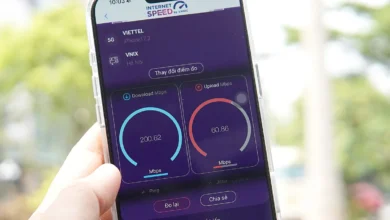
Vietnamese Ministry of Information and Communications Achieves Milestones in Domestic 5G Technology and Digital Transformation

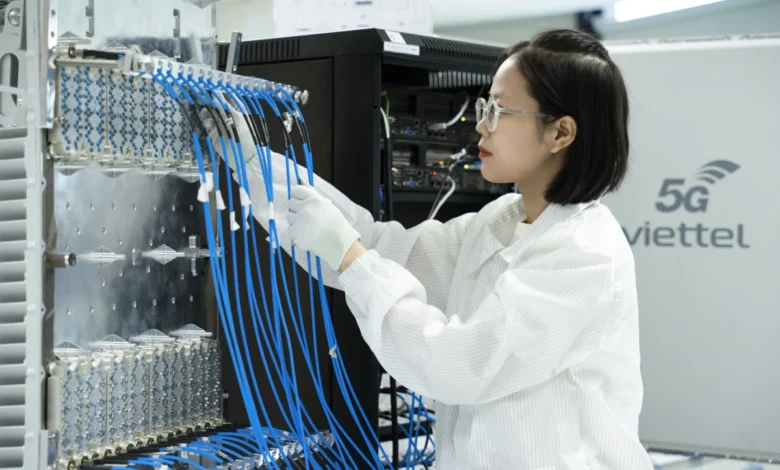
The Vietnamese Ministry of Information and Communications (MIC) has announced significant achievements in the development and deployment of domestically produced 5G equipment, marking a pivotal moment in the nation’s technological advancement and digital transformation journey. These breakthroughs, presented to senior officials of the MIC sector at a recent meeting, underscore Vietnam’s growing capacity in high-tech manufacturing and its commitment to fostering a robust domestic technology industry.
Pioneering "Made in Vietnam" 5G Infrastructure
A key highlight of the MIC’s report is the successful development and demonstration of 5G base stations designed and manufactured entirely in Vietnam. This achievement, presented to leadership figures, signifies a substantial leap forward in reducing reliance on foreign technology and bolstering national technological sovereignty. The MIC has been actively engaged in piloting this indigenous 5G equipment, with initial trials already underway across various departments and units within the ministry.
The "Made in Vietnam" 5G base stations are a testament to a strategic blend of cutting-edge technology and cultural integration, aligning with the vision set forth by Minister Nguyen Manh Hung. This initiative integrates advanced artificial intelligence (AI) models, representing a significant step in the automation of complex tasks. For officials and staff within the MIC, this development promises to streamline operations and accelerate the testing and refinement of these novel digital solutions. The ultimate goal is to transition from internal testing to widespread deployment across all government ministries.

One of the standout products is the 5G base station developed by Viettel, a leading telecommunications company in Vietnam. This equipment adheres to the Open RAN standard, showcasing Vietnam’s capability in producing sophisticated, globally competitive technology. This success serves as concrete evidence of the nation’s burgeoning prowess in the high-tech sector.
Currently, these domestically manufactured 5G base stations have been deployed in Hanoi, Ha Nam, and Ninh Thuan. Plans are in motion to expand these deployments to Ho Chi Minh City and Dong Nai by the end of the year. Viettel has also secured long-term contracts for the supply of this equipment, indicating strong market confidence and future demand. With this achievement, Vietnam joins an elite group of just five countries globally capable of producing 5G equipment, alongside Sweden, Finland, South Korea, and China.
Embracing the Digital Transformation Era: From "Nurturing" to "Innovation"
These new achievements, alongside other critical successes, position the MIC at the forefront of the current digital transformation era. They embody the ongoing spirit of the sector, carrying forward the legacy of "Nurturing" and embracing "Innovation" – two of the ten core values of the industry. This forward-looking approach, characterized by "Integrity, Nurturing, Innovation, Creativity, and Responsibility," reflects a persistent effort to foster ingenuity and adapt to the rapidly evolving landscape of cutting-edge technologies.
The journey of technological advancement within Vietnam’s information and communications sector is deeply rooted in a history of overcoming challenges. Nearly four decades ago, amidst significant material shortages, the visionary leadership of the era, exemplified by former Chairman of the Council of Ministers Do Muoi, made bold decisions to propel the telecommunications industry forward. A pivotal policy was the bypassing of intermediate technologies to directly embrace advanced solutions. This strategic foresight involved prioritizing direct investment in technology, seeking capital, and securing loans from international sources, rather than relying on limited domestic budgets.
This proactive approach allowed the telecommunications sector to rapidly modernize, emerging as a leader in Vietnam’s economic reforms and a significant contributor to national development. The establishment of the Vietnam Posts and Telecommunications Group (VNPT) during this period was instrumental. Driven by strategic and creative policies, VNPT broke away from traditional constraints, embracing a model of self-reliance and innovation. This included innovative funding mechanisms, such as utilizing foreign exchange reserves, securing international loans, and implementing independent financial management to accelerate development.
Milestones in Technological Advancement
The MIC’s recent successes are not isolated incidents but rather a culmination of sustained strategic planning and execution. At a meeting with veteran MIC officials from the northern region, former Minister of Information and Communications, Dang Van Than, reminisced about his visit to the Vietnam Posts and Telecommunications Group in 1991. He highlighted the group’s proactive approach to securing essential telecommunications equipment from abroad, a necessity that underscored the nation’s early reliance on foreign technology. He noted, "We were very eager for technological advancement and to get out of the situation where we needed to buy equipment from abroad. Today, we are realizing that vision and building an industrial sector for Vietnamese telecommunications."
This sentiment was echoed by former Minister of Post and Telecommunications, Trung Tac, who expressed confidence in the sector’s future. He stated, "We are very hopeful for the future of the sector. The current technological advancements are being realized, building an industrial sector for Vietnamese telecommunications." He emphasized that the current era represents a significant opportunity for Vietnam to shift from being a consumer of technology to a producer.
Minister Nguyen Manh Hung has consistently articulated a vision for the MIC to be at the vanguard of technological progress, driving the nation’s digital transformation. The ministry has been instrumental in guiding and directing the development of various sectors, fostering a culture of innovation and self-reliance. This includes a strong emphasis on research and development, supporting the growth of domestic technology enterprises, and promoting the adoption of advanced technologies.

The "Make in Vietnam" Initiative: A Catalyst for Innovation
The "Make in Vietnam" initiative, championed by the MIC since 2019, has become a cornerstone of the nation’s strategy to foster a competitive domestic technology industry. This initiative aims to encourage technology enterprises to develop high-value products and solutions that can address Vietnam’s unique challenges and, ultimately, compete on the global stage.
The MIC has actively engaged in a series of campaigns and policy adjustments to foster this ecosystem. This includes providing incentives, encouraging investment in research and development, and promoting the commercialization of innovative technologies. The goal is to create a virtuous cycle where domestic innovation leads to the development of advanced products and services, which in turn strengthens the nation’s technological capabilities and economic competitiveness.
The ministry’s efforts extend to supporting Vietnamese technology companies in expanding their reach globally. This involves providing guidance on market entry strategies, facilitating international partnerships, and promoting Vietnamese technological prowess at international forums. The aim is to transform Vietnam into a hub for technological innovation and a significant player in the global digital economy.
Driving Digital Economy and Global Competitiveness
The strategic imperative for Vietnam is to foster a robust digital economy and nurture domestic technology enterprises capable of competing on a global scale. The MIC’s approach is multi-faceted, encompassing policy development, regulatory reform, and direct support for businesses.

The ministry has been instrumental in developing a comprehensive legal framework and policy directives to guide the growth of the digital economy. This includes policies aimed at promoting digital transformation across all sectors, enhancing cybersecurity, and ensuring data privacy. The focus is on creating an enabling environment where businesses can thrive and innovate.
Furthermore, the MIC has been actively promoting the development of sustainable technology enterprises. This involves encouraging companies to invest in research and development, adopt green technologies, and adhere to ethical business practices. The aim is to build a technology sector that is not only economically prosperous but also socially responsible and environmentally sustainable.
Expanding Vietnam’s Digital Footprint Globally
Vietnam’s ambition extends beyond its borders, with a clear objective to establish its technology sector on the global stage. The MIC’s strategy involves a two-pronged approach: strengthening domestic capabilities and actively participating in international markets.
The ministry has been actively promoting the "Make in Vietnam" brand globally, showcasing the quality and competitiveness of Vietnamese technology products and services. This includes organizing participation in international trade fairs, hosting technology forums, and facilitating partnerships between Vietnamese and foreign companies.

The focus is on developing Vietnamese technology companies that can offer high-value solutions and services to a global clientele. This includes areas such as software development, digital transformation consulting, and advanced technology manufacturing. The goal is to transform Vietnam into a leading provider of technology solutions and a trusted partner in the global digital ecosystem.
Statistics and Growth Trajectory
The growth of Vietnam’s technology sector is reflected in compelling statistics. As of July 2024, approximately 51,038 technology companies were operating in Vietnam, marking a significant increase of nearly 6,000 enterprises compared to August 2023. Notably, 1,500 of these companies have achieved revenues exceeding global benchmarks.
The export revenue of Vietnam’s technology sector in 2023 reached $7.5 billion USD. Projections for the current year estimate this figure to reach $10 billion USD, indicating a substantial growth rate of approximately 30%. Minister Nguyen Manh Hung emphasized the significance of this export revenue, stating that the amount generated by Vietnamese technology companies for export is significantly larger than the capital Vietnamese telecommunications companies spend on importing equipment.
This trend signals a crucial shift: "Previously, we were dependent on others; now, we are independent and exporting. This is the strength that will build the country. The MIC’s goal is for the export revenue of the IT and telecommunications sector to reach significant export volumes by 2035. Only then can Vietnam be considered an industrial power," Minister Hung remarked.

Building a Sustainable and Innovative Technology Ecosystem
The sustained growth and global reach of Vietnam’s technology sector are underpinned by a strategic commitment to building a robust and innovative ecosystem. The MIC plays a pivotal role in this endeavor, acting as a facilitator, regulator, and advocate for the industry.
The ministry has been instrumental in establishing key industry bodies and initiatives, such as the Council for IT and Communications Enterprises. This council serves as a platform for collaboration, knowledge sharing, and advocacy within the sector. By fostering a collaborative environment, the MIC aims to accelerate the development and adoption of cutting-edge technologies.
Furthermore, the MIC is actively involved in shaping the future of the technology sector through policy development and strategic planning. This includes the drafting of the Law on Industry 4.0 and the development of a sustainable technology industry strategy for Vietnam up to 2030, with a vision extending to 2050. These initiatives aim to create a conducive environment for innovation, attract investment, and ensure that Vietnam remains at the forefront of technological advancement in the coming decades.
The overarching objective is to foster a thriving technology ecosystem that drives national development, enhances global competitiveness, and positions Vietnam as a leader in the digital age. The recent achievements in 5G technology and the growing success of "Make in Vietnam" products are clear indicators that this vision is rapidly becoming a reality.
Related posts: