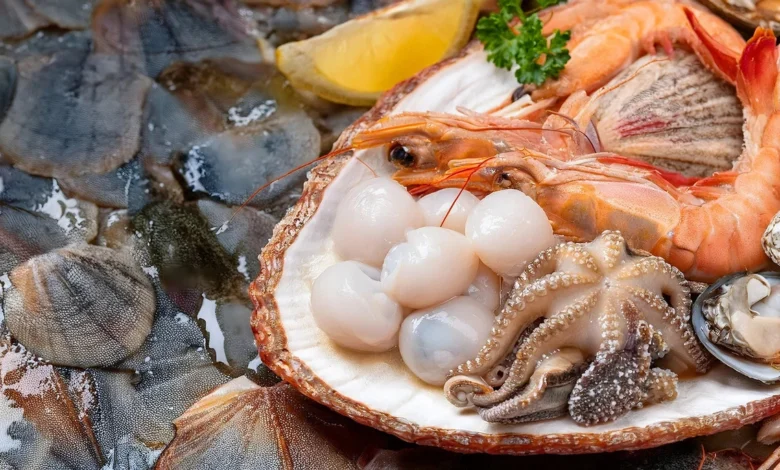
The question of whether consuming tea immediately after a meal containing seafood poses a health risk is a recurring topic in nutritional discussions, often fueled by long-standing anecdotal advice. Many individuals follow a cultural habit of finishing a seafood dinner with a cup of green tea, while others adhere to a strict cultural taboo, fearing that the combination creates toxic substances in the stomach. To address these concerns, it is essential to separate dietary myths from nutritional science and examine the chemical interactions that occur within the digestive tract.
Deconstructing the Myth of Toxicity
The pervasive belief that combining seafood—such as shrimp, crab, or fish—with tea leads to the formation of lethal poisons is not supported by current medical science. There is no empirical evidence to suggest that the chemical components of tea, such as catechins or caffeine, react with the proteins and minerals in seafood to synthesize toxic compounds.
In the context of human physiology, the stomach acts as a controlled environment with specific pH levels and enzymatic processes designed to break down food. When consumed together, tea and seafood do not undergo a reaction that generates harmful byproducts or systemic toxicity. The fear surrounding this combination often stems from historical folk medicine or misinterpreted dietary traditionalism, which sometimes conflates digestive discomfort with poisoning. While some individuals may experience gastrointestinal distress after a large meal, this is frequently attributed to the richness of the seafood itself—specifically its protein density or preparation style—rather than an interaction with the tea.
The Nutritional Conflict: Iron Absorption
While the "toxicity" theory lacks scientific merit, there is a legitimate nutritional concern regarding the timing of tea consumption in relation to iron-rich meals. Seafood is a significant source of heme iron, which is essential for oxygen transport in the blood. Tea, particularly green and black varieties, contains high levels of polyphenols, specifically tannins.
Tannins are bioactive compounds that possess antioxidant properties, but they also act as antinutrients by binding to non-heme and, to a lesser extent, heme iron in the digestive tract. When tea is consumed concurrently with a meal, the tannins bind with iron molecules, forming insoluble complexes that the body cannot easily absorb. For the general population, this is rarely a health crisis. However, for individuals who are iron-deficient, suffer from anemia, or are in high-risk categories—such as pregnant women or children—this inhibition can have long-term implications.
Chronology of Dietary Habits and Digestive Science
The habit of drinking tea after a meal has deep historical roots, particularly in East Asian cultures, where it is often touted for its ability to aid digestion and cleanse the palate. For centuries, this practice was viewed as a benign or even health-promoting habit.
It was only in the mid-to-late 20th century, as nutritional science became more specialized, that researchers began to quantify the inhibitory effects of tea on mineral absorption. Clinical studies conducted in the 1980s and 1990s began to highlight that the timing of beverage consumption significantly dictates the bioavailability of nutrients. By the turn of the 21st century, public health institutions, including the National Institute of Nutrition, began formalizing guidelines to differentiate between "safe" consumption habits and those that might impede optimal nutrient intake for vulnerable groups.
Supporting Data and Biochemical Analysis
Scientific literature indicates that the inhibitory effect of tea on iron absorption is dose-dependent. Research has demonstrated that drinking a cup of tea with a meal can reduce iron absorption by as much as 60% to 70%, depending on the concentration of the tea and the iron content of the food.
- The Role of Polyphenols: Polyphenols are the primary culprits in iron binding. The structural configuration of these molecules allows them to chelate iron ions, effectively sequestering them from the body’s uptake mechanisms.
- Heme vs. Non-Heme Iron: While seafood contains heme iron (which is generally more easily absorbed than plant-based non-heme iron), high concentrations of tannins can still interfere with the total iron bioavailability of the meal.
- Vitamin C Synergy: Conversely, Vitamin C acts as a potent enhancer of iron absorption. Studies consistently show that including sources of ascorbic acid—such as citrus fruits (lemons, oranges, grapefruit) or kiwis—during a meal can counteract the inhibitory effects of tannins by reducing ferric iron to a more absorbable ferrous state.
Official Perspectives and Expert Recommendations
According to experts such as Associate Professor Dr. Nguyen Trong Hung from the National Institute of Nutrition, the primary takeaway for the public is one of moderation and strategic timing. The notion that one must abstain from tea entirely after eating seafood is an unnecessary restriction for healthy adults. However, for those monitoring their iron levels, the timing of consumption is critical.
Experts suggest the following strategies to maintain a balanced intake:
- Delay Consumption: Allow at least one to two hours between a protein-rich meal and the consumption of tea. This delay ensures that the digestive process has progressed sufficiently to allow for the absorption of essential minerals before the tannins can interfere.
- Optimize Meal Composition: Integrate Vitamin C-rich foods into the meal. Squeezing lemon over fish or serving a fruit salad after a meal of shrimp or crab can significantly improve the body’s ability to utilize the iron present in the seafood.
- Individualized Assessment: Individuals who are clinically diagnosed with iron-deficiency anemia should be more cautious. For this demographic, it is advisable to treat tea as a stand-alone beverage rather than a meal accompaniment.
Broader Impact and Public Health Implications
The persistence of dietary myths like the "seafood-tea toxicity" belief highlights a gap in public health communication. When misinformation spreads, it can lead to unnecessary anxiety or the abandonment of nutrient-dense food combinations.
From a public health perspective, the priority is to shift the conversation from "what is toxic" to "what is bioavailable." By educating the public on how different food components interact, health authorities can empower individuals to make informed choices that support their long-term wellness. Rather than fearing a cup of tea, consumers should focus on the quality of their diet, the timing of their beverage intake, and the inclusion of micronutrient enhancers like Vitamin C.
In conclusion, the combination of seafood and tea is not a source of poisoning, but it is a factor that influences nutrient absorption. By adopting a nuanced approach—understanding the chemistry of iron inhibition while rejecting the fear of toxicity—individuals can enjoy their culinary preferences without compromising their nutritional health. The key lies in the interval between the meal and the beverage, ensuring that the body has the time and the chemical environment necessary to extract the vital nutrients required for optimal function.