Three Investors Submit Bids But Auction For Prime Land Along Huong River Fails to Proceed

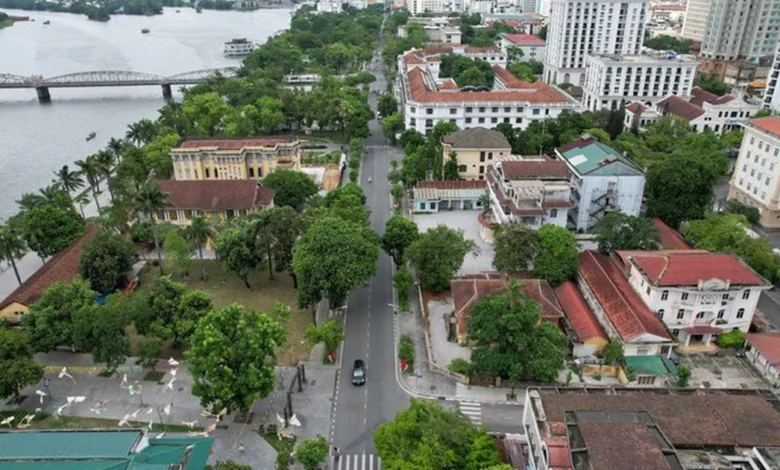
The planned public auction for a highly coveted parcel of real estate situated along the picturesque Huong River in Hue, Vietnam, was abruptly halted after the participating investors failed to fulfill mandatory administrative and financial prerequisites. The auction, which had generated significant anticipation within the local real estate and commercial development sectors, highlights ongoing challenges in aligning municipal high-value land offerings with the current operational and financial capacities of prospective corporate developers.
Overview of the Aborted Auction Event
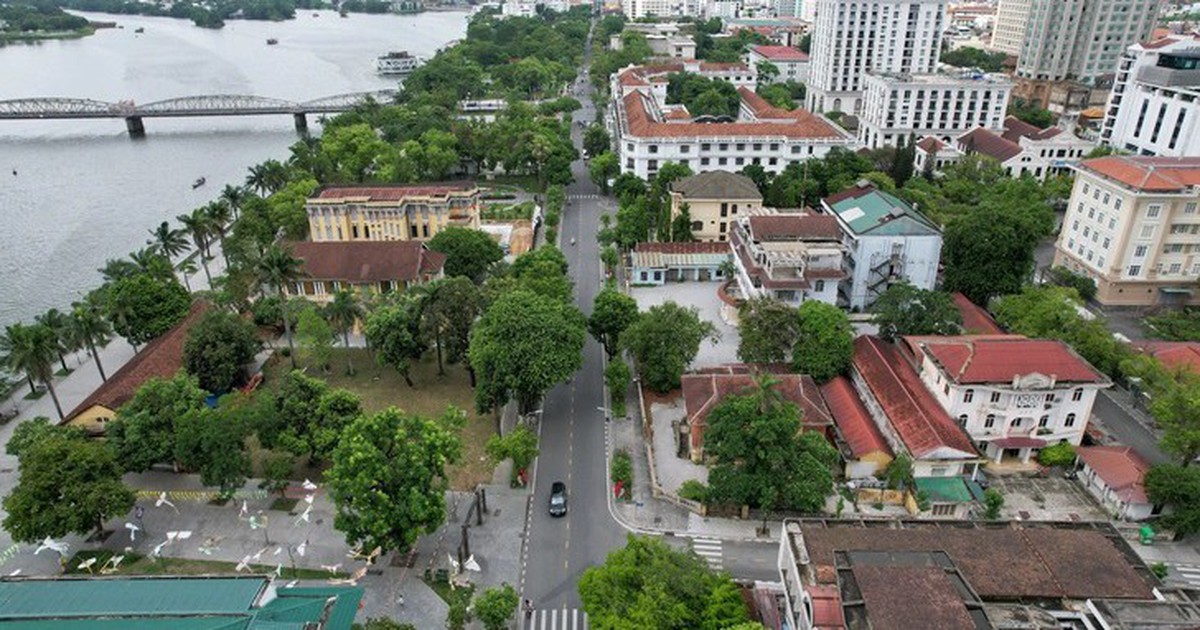
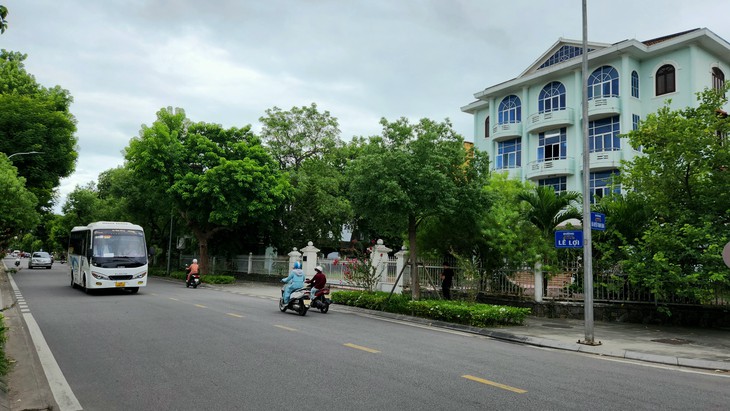
Originally scheduled to commence at 8:00 AM on September 26, the high-profile auction was designed to award the land use rights and lease agreements for a prime commercial property. The target real estate encompasses a sprawling total area of 10,688 square meters distributed across municipal addresses 22-24 and 26-30A Le Loi Street, located within the historic Thuan Hoa Ward of Hue City.
According to official disclosures provided by Truong Phuoc Tuan, the director of the Hue City Center for Land Fund Development, three distinct institutional investors submitted dossiers ahead of the official deadline. Despite this initial display of corporate interest, the evaluation committee determined that none of the submitted applications fully satisfied the stringent legal, technical, and financial criteria mandated by the auction guidelines. Consequently, the bidding process could not proceed as planned.
Under the regulatory framework governing public asset disposals in the region, an auction of this scale requires a minimum of at least two qualified investors who meet all stipulated criteria to be officially recognized and permitted to participate. Because the candidate dossiers fell short of these benchmarks, the municipal authorities had no legal alternative but to postpone the event, ensuring adherence to transparent and competitive procurement standards.
Financial Parameters and Development Blueprint
The land parcels in question represent some of the most commercially valuable real estate within the urban core of Hue. Designated for the execution of an ambitious upscale hospitality and commercial venture, the successful bidder will secure a 50-year land lease.
The baseline starting price set by municipal authorities for the 50-year leasehold rights was established at nearly 517 billion Vietnamese dong (VND). Furthermore, interested parties were required to deposit an initial earnest money guarantee exceeding 103 billion VND just to qualify for the bidding round.
The financial obligations extend beyond land lease fees. Existing structures currently occupy the site, functioning historically as public office buildings and auxiliary facilities with a combined floor area exceeding 12,101 square meters. Under the approved master plan, the winning investor is contractually obligated to directly purchase these existing state-owned assets attached to the land, in accordance with an officially sanctioned liquidation and asset-transfer scheme.
The overarching vision for the property is anchored by the development of a luxury complex. According to project prospectuses released by market regulators, the blueprint specifies the construction of a five-star international standard hotel, integrated commercial and service spaces, and premium corporate offices for lease. Architectural parameters limit the vertical scale of the new development to a maximum of five above-ground stories alongside two subterranean basement levels, ensuring the building profile remains harmonious with the scenic landscape of the Huong River and the surrounding heritage architecture.
The aggregate capital expenditure required for the construction phase alone is projected to reach approximately 875 billion VND. This substantial figure notably excludes the primary land lease acquisition costs, the mandatory purchase price of the existing surface assets, and various secondary construction finalization expenses, bringing the total financial commitment for the eventual developer well into the trillions of dong.
Chronology and Background Context of the Le Loi Street Properties
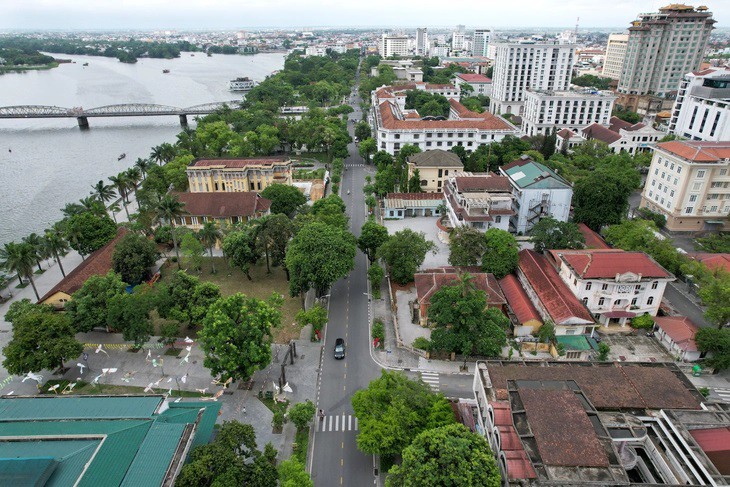
The parcels on Le Loi Street have remained a subject of significant public interest and administrative scrutiny over recent years. The properties entered a transitional state following a major administrative restructuring in 2022, during which various provincial and municipal government agencies relocated their headquarters to the centralized administrative hub of Thua Thien Hue province.
As state offices vacated their long-held premises, multiple administrative structures and office complexes along the prestigious Le Loi Street corridor were left vacant. Over successive months, the lack of active occupation and immediate repurposing led to visible physical deterioration of several buildings. Local media outlets, including Tuoi Tre, repeatedly highlighted the growing degradation of these centrally located properties, pointing out that prolonged abandonment severely detracted from the urban aesthetic of the city center and represented an inefficient utilization of premium municipal land resources.
In response to public feedback and the imperative to maximize state revenues, municipal authorities initiated procedures to transition the properties from administrative use to commercial exploitation. By mid-August, the Hue City Center for Land Fund Development officially published the auction prospectus, setting the September 26 auction date to attract capable private-sector partners willing to revitalize the riverfront corridor.
Market Implications and Investor Hesitation
The failure of the September 26 auction reflects broader economic currents influencing Vietnam’s commercial real estate landscape. Director Truong Phuoc Tuan acknowledged that several high-value commercial and service land tracts brought to auction in Hue over recent years have experienced tepid market demand and low investor turnout.
Industry analysts attribute this phenomenon to a confluence of macroeconomic headwinds. Corporate balance sheets across the real estate sector continue to navigate liquidity pressures and tighter credit conditions stemming from rigorous regulatory oversight on corporate bond issuances and bank lending.
Compounding these financial constraints are specific structural terms associated with public land tenders in secondary and emerging urban markets like Hue. The requirement for a lump-sum advance payment for long-term land leases, combined with relatively restrictive utilization covenants and high baseline valuations, often deters risk-averse developers. Furthermore, the mandatory acquisition of existing surface structures—which may require expensive demolition or extensive structural retrofitting—adds layers of financial uncertainty that modern investors are increasingly hesitant to shoulder without guaranteed high yields.
Next Steps and Future Outlook
Despite the setback, municipal agencies remain proactive in their efforts to unlock the economic potential of the Le Loi Street properties. Director Tuan confirmed that the Center for Land Fund Development is actively revising administrative processes and preparing a formal re-issuance of the public invitation for bids.
Under local procurement guidelines, enterprises that submitted dossiers during the initial round but failed to meet the qualifying criteria are permitted to rectify their documentation, supplement financial guarantees, or resolve technical discrepancies so they can reapply during the upcoming bidding cycle. New investors are also invited to review the tender documents and submit applications.
City planners maintain that the redevelopment of the Le Loi Street riverfront remains a cornerstone initiative for enhancing Hue’s urban tourism infrastructure and expanding its luxury hospitality capacity. As municipal authorities refine the auction parameters to better reflect prevailing market realities, stakeholders across the public and private sectors will be closely monitoring the next scheduled bidding phase to gauge renewed investor appetite for prime riverfront assets in central Vietnam.