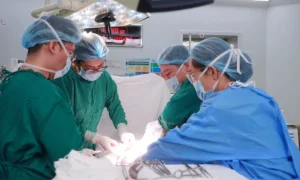
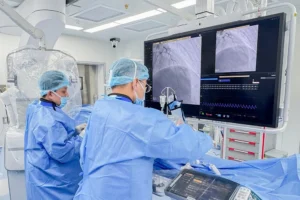
Bệnh viện Chợ Rẫy phối hợp cứu sống thành công hai bệnh nhân nhồi máu cơ tim cấp ngay tại đặc khu Phú Quốc

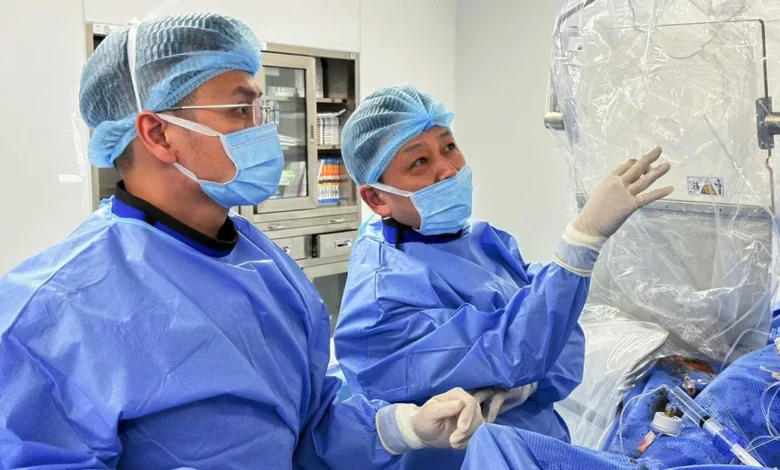
In a groundbreaking milestone for emergency cardiac care in Vietnam, medical teams from Ho Chi Minh City’s Cho Ray Hospital and the Moon Crescent Phu Quoc International Hospital in An Giang province have successfully performed emergency percutaneous coronary interventions (PCI) directly on the island of Phu Quoc. Rather than enduring a perilous and time-consuming evacuation flight to the mainland, two patients suffering from acute and subacute myocardial infarctions received immediate, life-saving surgical intervention on-site, marking a monumental leap forward for regional healthcare capabilities.
The successful procedures highlight the tangible benefits of a strategic professional cooperation agreement signed between Cho Ray Hospital and Moon Crescent Phu Quoc International Hospital in July 2026. This partnership was deliberately forged to bridge the gap in specialized medical access for remote regions and to establish a comprehensive, interconnected clinical network across Vietnam.
Anatomy of the Emergencies: Two Patients, Two Critical Interventions
The first case involved a 65-year-old male patient, identified by the initials L.V.Q., who presented to Moon Crescent Phu Quoc International Hospital at midnight on September 14, 2026. Mr. Q. arrived exhibiting classic, severe symptoms of a cardiovascular crisis, including acute shortness of breath, heavy chest tightness, severe dizziness, and profuse cold sweating. Clinical history revealed that the patient was a heavy long-term smoker, a major risk factor for coronary artery disease.
Upon initial evaluation, the on-duty medical staff diagnosed Mr. Q. with a Killip class III myocardial infarction—a severe presentation indicating acute heart failure associated with a heart attack. Recognizing the extreme urgency of the condition, Moon Crescent Phu Quoc immediately coordinated with Cho Ray Hospital. Dr. Nguyen Tuan Anh, a cardiovascular interventionist from Cho Ray Hospital who was stationed on a specialized deployment rotation in Phu Quoc, was promptly mobilized.
Working in tandem with the local surgical team, Dr. Tuan Anh performed an emergency coronary angiography and intervention. Surgeons successfully recanalized a long, complex occlusion in the patient’s right coronary artery, restoring robust blood flow. The procedure yielded immediate clinical improvements; Mr. Q.’s chest tightness and dyspnea subsided drastically, and his postoperative recovery was described by attending physicians as remarkably stable.
Just hours after the first triumph, the facility admitted a second cardiac patient: a 58-year-old male identified as P.N.V. Much like the first patient, Mr. V. possessed a significant smoking history and had suffered from persistent, worsening chest tightness and shortness of breath for two weeks prior to admission.
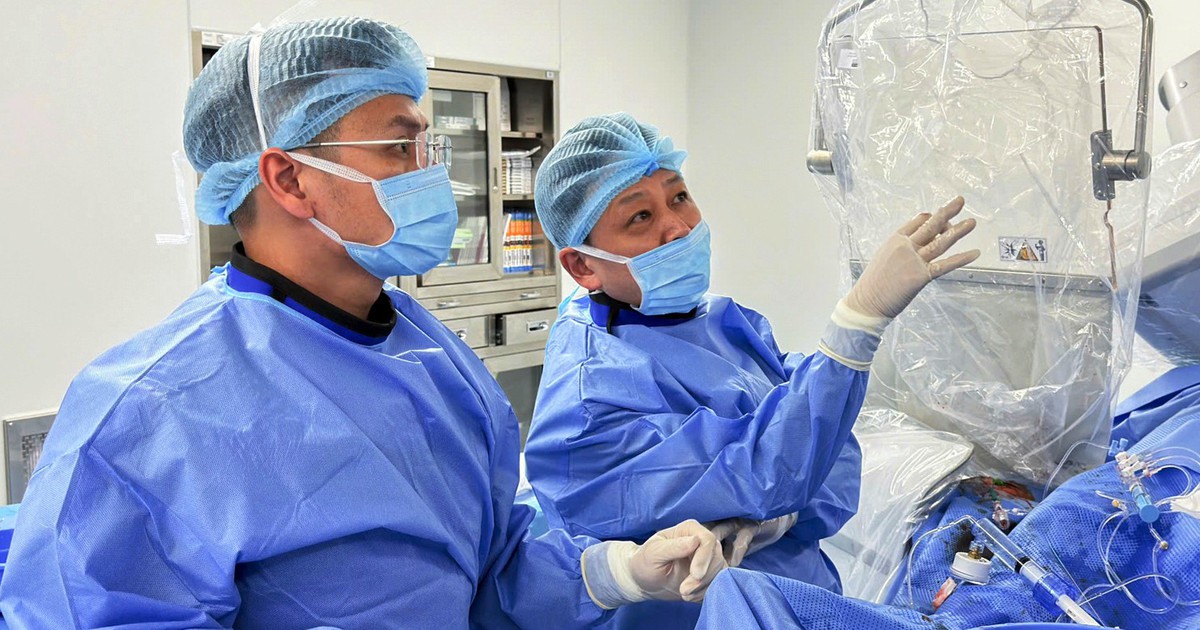
Two days before seeking emergency care, Mr. V. underwent a routine health screening that revealed an abnormal electrocardiogram (ECG), prompting urgent further investigation. Comprehensive diagnostic imaging and laboratory tests revealed extensive ventricular wall thinning, reduced left ventricular systolic function, and severe multi-system complications. He was formally diagnosed with an anterior wall subacute myocardial infarction, chronic heart failure, dyslipidemia, and type 2 diabetes mellitus.
Given the high-risk nature of Mr. V.’s presentation, the cardiac intervention team acted swiftly. The obstructed coronary vessels were successfully re-opened, and the patient was stabilized in the coronary care unit, where he continues to show steady post-procedural recovery.
The Golden Hour in Cardiovascular Care
According to CK2 Ly Aich Trung, Head of the Interventional Cardiology Department at Cho Ray Hospital, both patients presented with conditions carrying an exceptionally high risk of mortality. In cases of acute myocardial infarction, time is quite literally muscle. The primary clinical objective is the rapid restoration of coronary blood flow through mechanical reperfusion.
Dr. Trung emphasized the grave dangers associated with delayed treatment, particularly for patients located on remote islands. Under previous circumstances, patients suffering from acute heart attacks on Phu Quoc would have required stabilization followed by an emergency medical evacuation to the mainland—either via a commercial or military flight to Kien Giang or a lengthy transit to Ho Chi Minh City. This logistical nightmare typically added several hours of critical delay to the treatment timeline.
Medical literature demonstrates that every hour of delay in performing a percutaneous coronary intervention significantly increases the patient’s mortality risk by approximately 5% to 10%. Furthermore, delayed interventions dramatically expand the zone of irreversible myocardial necrosis, vastly increasing the likelihood of long-term chronic heart failure, dangerous arrhythmias, and other debilitating cardiovascular complications. By treating these patients locally within the "golden hour," the medical teams successfully minimized heart muscle damage and spared both patients from life-threatening systemic complications.
Both patients achieved such rapid stabilization that they were discharged from the hospital in stable condition on September 18, just four days after their respective procedures.
Elevating Local Healthcare Infrastructure and Strategic Implications
The successful execution of these complex cardiovascular surgeries represents a paradigm shift for healthcare delivery in Vietnam’s island districts. Dr. CK2 Pham Thanh Viet, Director of Cho Ray Hospital, elaborated on the broader vision behind the institutional partnership.
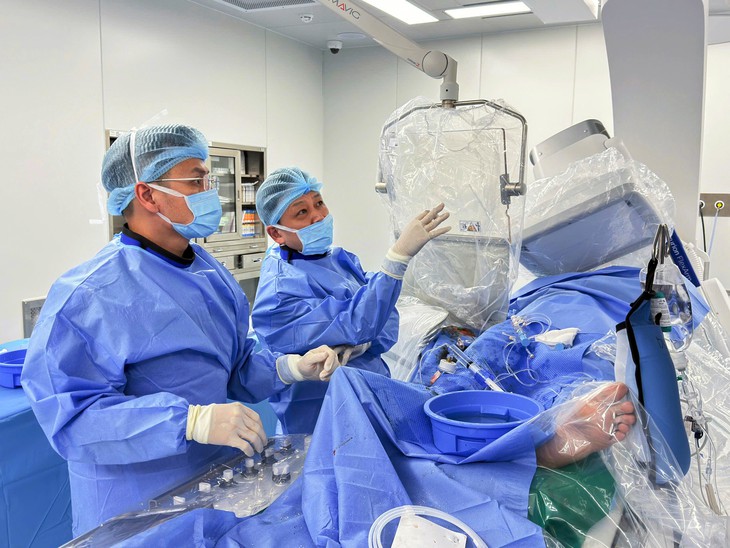
"The professional cooperation agreement between Cho Ray Hospital and Moon Crescent Phu Quoc International Hospital is designed to construct a comprehensive professional connectivity network," Dr. Viet stated. "Our core objective is to elevate the quality of grassroots healthcare, enabling patients with highly complex pathologies on remote islands to receive timely intervention within the golden hour, thereby eliminating unnecessary and hazardous medical transfers."
Dr. Viet noted that the partnership places special emphasis on standardizing protocols for the reception, emergency triage, and acute management of time-sensitive emergencies, particularly acute ischemic stroke and acute myocardial infarction. By dispatching senior specialists from top-tier national institutions like Cho Ray to mentor, train, and directly collaborate with local medical personnel, the Ministry of Health aims to build enduring self-sufficiency in regional hospitals.
Healthcare analysts and regional planners view this achievement as a vital milestone not only for local residents and domestic tourists but also for Vietnam’s strategic economic hubs. Empowering Phu Quoc with advanced, high-level emergency medical capabilities lays a robust foundation of healthcare security. This infrastructure is increasingly critical as the island hosts major international delegations, high-profile tourism events, and global gatherings—including preparations for the upcoming APEC Summit in 2027.
Understanding Myocardial Infarction: Prevention and Warning Signs
Following these successful interventions, medical experts have reiterated public health warnings regarding the silent yet devastating nature of coronary artery disease. Acute myocardial infarction occurs when blood flow to the heart muscle is abruptly cut off, causing tissue damage. This is typically driven by the rupture of an atherosclerotic plaque in a coronary artery, leading to the formation of a blood clot.
Key risk factors identified in both Phu Quoc cases—such as heavy tobacco use, dyslipidemia, hypertension, and diabetes—are major contributors to endothelial damage and plaque buildup. Doctors strongly advise individuals, particularly those over the age of 40 or with a family history of cardiovascular disease, to undergo regular health screenings.
Early recognition of heart attack symptoms remains the single most effective tool for survival. Red-flag symptoms include:
- Sudden, crushing chest pain, pressure, or a feeling of a heavy weight centered behind the breastbone.
- Pain radiating to the jaw, neck, back, or down one or both arms.
- Unexplained shortness of breath or difficulty breathing, even at rest.
- Sudden lightheadedness, dizziness, fainting, or sudden cold sweats accompanied by nausea.
Health authorities emphasize that anyone experiencing these symptoms should immediately call emergency medical services rather than attempting to drive or wait for symptoms to subside. As demonstrated by the recent medical triumphs in Phu Quoc, when advanced cardiac care is accessible within minutes rather than hours, countless lives can be pulled back from the brink of tragedy.