Mạc Trung Kiên reflects on his journey and personal evolution eight years after winning The Face Vietnam 2018

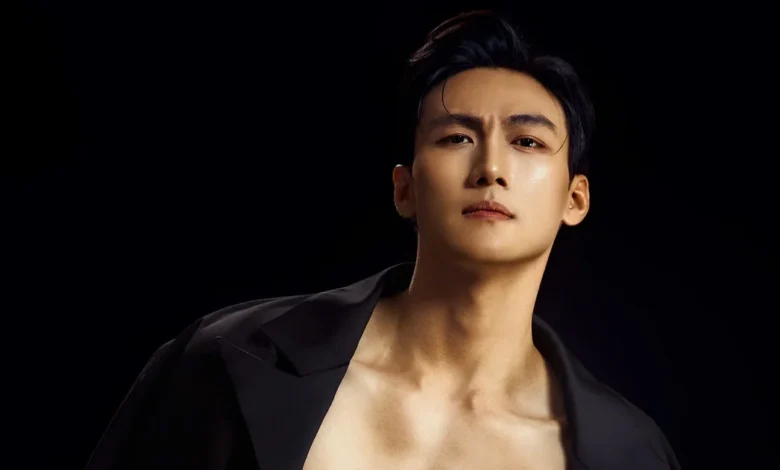
The landscape of the Vietnamese entertainment industry is defined by the ephemeral nature of fame and the grueling endurance required to sustain a career beyond a reality television debut. Eight years ago, Mạc Trung Kiên emerged from the competitive crucible of The Face Vietnam 2018 as the ultimate winner, capturing the title and the attention of the national fashion scene. Today, as he navigates a mature phase of his professional life, the 9X model offers a candid perspective on the transition from a reality show contestant to a seasoned professional, highlighting the profound shifts in his approach to the craft and his understanding of the industry’s longevity.
The Genesis of a Career: The Face Vietnam 2018
In 2018, Mạc Trung Kiên entered the public consciousness through The Face Vietnam, a high-profile modeling competition known for its intense scrutiny and demanding challenges. At the time, Kiên was a newcomer, characterized by his raw potential and undeniable physical appeal. Under the mentorship of industry veterans, he navigated the show’s complex tasks, ultimately securing the championship.
The victory served as a double-edged sword. While it provided the immediate platform, the visibility, and the industry connections necessary for a career start, it also introduced a crushing weight of expectation. For many winners of such reality formats, the post-victory period is often the most treacherous. The transition from the artificial, hyper-focused environment of a television set to the real-world demands of the fashion industry requires a level of adaptability that few possess. Kiên admits that in the early days, his understanding of the profession was limited. He viewed the title as a pinnacle rather than a starting point, failing to realize that the accolade was merely a single moment in what would become a marathon-like career.
A Timeline of Professional Maturity
Reflecting on the passage of time, the period between 2018 and 2026 has been marked by a significant recalibration of values for the model.
- 2018: The breakthrough year. Winning The Face Vietnam catapulted Kiên into the spotlight. During this period, the focus was primarily on immediate commercial viability and navigating the newfound fame.
- 2019-2021: The phase of realization. As the novelty of the show faded, the realities of the market took hold. This was a period of trial and error, where Kiên faced the "post-reality" blues—the challenge of finding work that wasn’t tied to the show’s branding.
- 2022-2024: The cultivation of craft. Kiên began to move away from relying on his title, focusing instead on building a portfolio that spoke to his versatility. He engaged in more editorial work and expanded his skill set to include professional networking and public relations management.
- 2025-2026: The current status. Kiên now operates with a grounded philosophy, viewing his career not as a competition to be won, but as a continuous process of evolution.
Navigating the Psychological Demands of Showbiz
A critical aspect of Kiên’s growth has been his ability to manage the psychological hurdles that accompany a life in the public eye. He acknowledges that there were moments of deep insecurity, where he questioned his trajectory and his long-term compatibility with the entertainment industry. The fear of being forgotten, or worse, becoming irrelevant, is a common anxiety among those who rise to fame through talent competitions.
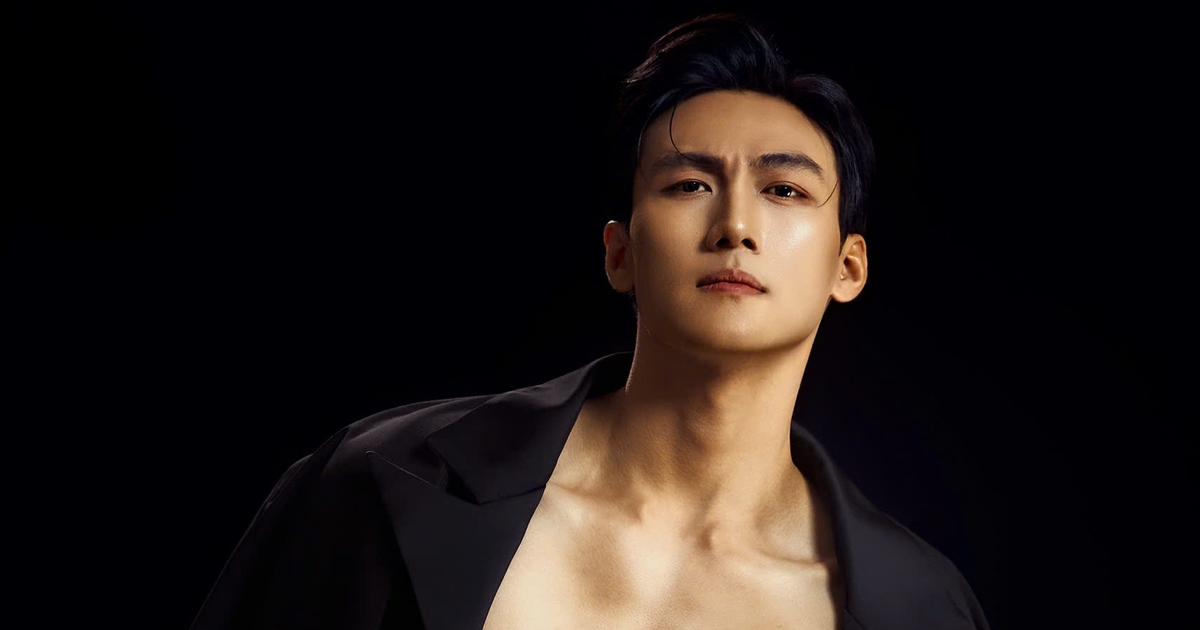
However, Kiên frames these periods of "confusion" not as failures, but as essential markers of transition. He notes that the lack of stage lights and audience applause—common occurrences in the freelance life of a professional model—provided him with the quiet space necessary to learn about himself. He discovered that his passion for the industry was not predicated on the accolades, but on the day-to-day engagement with the work itself. This realization proved to be a turning point, allowing him to detach his self-worth from external validation.
Mentorship and Industry Influence
Throughout his eight-year tenure, Kiên has consistently credited his mentors for his survival and growth in a cutthroat industry. Figures like Thanh Hằng and Trang Lê have played pivotal roles, not only in his initial training but in shaping his professional ethos.
In the competitive world of high fashion, technical skill—walking, posing, and physical conditioning—is often the baseline. The differentiator, as Kiên learned, is professional conduct. He emphasizes the importance of understanding how to interact with production teams, how to handle media inquiries, and, perhaps most importantly, how to remain resilient in the face of public criticism. The influence of these industry veterans helped him understand that staying relevant is less about physical appearance and more about being a person with whom others want to work.
The Evolution of the "Model" Archetype
Kiên’s journey reflects a broader shift in the Vietnamese modeling industry. Historically, the industry was segmented; today, it is integrated. Models are expected to be "multi-hyphenates"—content creators, brand ambassadors, and media personalities. Kiên’s ability to pivot between these roles has been a key factor in his longevity.
Supporting data from recent industry reports suggests that the shelf-life of models who rely solely on runway work is significantly shorter than those who cultivate a "personal brand." By choosing to focus on a balanced approach—one that combines his work as a model with a deeper understanding of the business of fashion—Kiên has secured his place in an increasingly crowded market.
Broader Impact and Industry Implications
The trajectory of Mạc Trung Kiên serves as a case study for future generations of reality show contestants. It highlights that the "winner" title is not an end state but a temporary advantage. The industry does not reward the title; it rewards the work ethic, the capacity for reinvention, and the ability to maintain professional integrity.
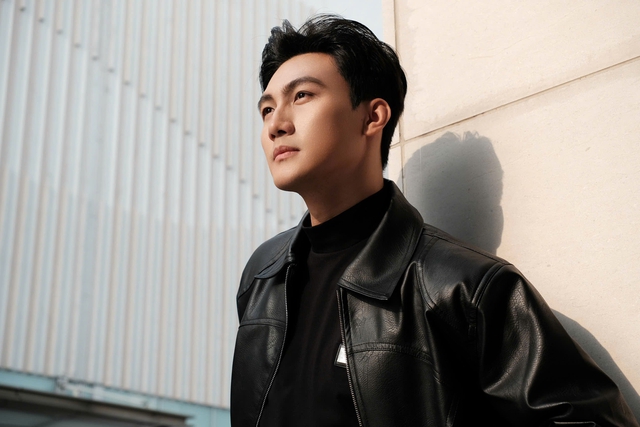
His refusal to embrace the "star" persona is also telling. Kiên prefers to be known by his name rather than by the specific titles bestowed upon him by television judges. This indicates a desire to move beyond the label of "reality star" and into the more permanent territory of a respected professional.
Looking Toward the Future
When asked about his biggest fear, Kiên’s response is surprisingly pragmatic: "The day I no longer love this job." He explains that while failures, periods of obscurity, and career lulls are inevitable, the true loss would be the absence of passion. As long as he can stand before a camera or walk a runway with genuine emotion and a desire to improve, he feels he has succeeded.
After eight years, his definition of success has fundamentally changed. It is no longer about the prestige of the initial win. Instead, he defines success as his presence in the industry—his ability to continue, to adapt, and to evolve. He has moved from a contestant seeking a crown to a professional seeking a legacy.
In conclusion, the story of Mạc Trung Kiên is a testament to the necessity of introspection in a fast-paced environment. By embracing the highs and lows of his eight-year career, he has managed to transform himself into a sustainable figure in Vietnamese fashion. As he continues to look forward, his focus remains on growth, consistency, and a deep-seated respect for the craft that first brought him into the public light. The lesson for those who follow in his footsteps is clear: the journey is long, the challenges are many, but the ultimate reward is the ability to define one’s own path long after the cameras have stopped rolling.