University of Medicine and Pharmacy at Ho Chi Minh City Pioneers Specialized Vaccine Education to Confront Rapid Population Aging

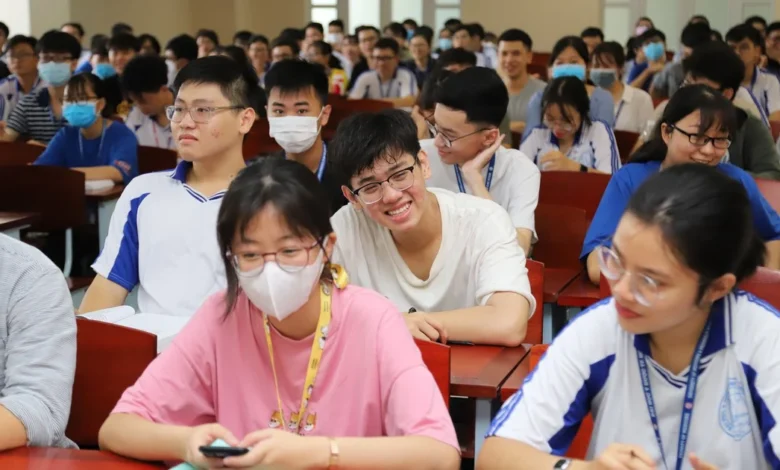
The University of Medicine and Pharmacy at Ho Chi Minh City has officially launched a pioneering postgraduate training program dedicated entirely to vaccinology, marking a significant milestone in Vietnamese medical education. Unveiled during a high-level academic symposium held on the afternoon of September 25, this curriculum addresses a critical gap in the national healthcare system by embedding preventive medicine deeply into clinical practice. As Vietnam navigates an accelerating demographic transition toward an aged society, healthcare leaders and academic institutions are radically reshaping how future physicians are trained, shifting the traditional paradigm from reactive disease treatment to proactive, lifelong health protection.
The comprehensive rollout of this initiative brings together ten specialized medical disciplines and training units, establishing a cross-disciplinary educational framework. By breaking down conventional silos within medical training, the program ensures that upcoming generations of physicians internalize preventive mindsets throughout every stage of patient care. Rather than treating vaccination as a peripheral topic handled solely by public health specialists, the university’s curriculum integrates core competencies in vaccine science, immunology, epidemiology, and adverse event management directly into clinical workflows, particularly focusing on adults, the elderly, and individuals with underlying chronic conditions.
Paradigm Shift in Medical Training: Moving from Treatment to Prevention
For decades, formal medical education across Vietnam has predominantly concentrated on acute intervention, diagnosis, and pharmacological treatment. While this approach has successfully addressed numerous infectious outbreaks and acute morbidities, healthcare experts argue it is no longer sufficient to meet the shifting epidemiological landscape. Rapid demographic shifts, characterized by rising life expectancies and declining fertility rates, have exponentially increased the prevalence of non-communicable diseases and age-related vulnerabilities.
Associate Professor Dr. Phung Nguyen Thao Nguyen, Rector of the University of Medicine and Pharmacy at Ho Chi Minh City, emphasized during the symposium that modern medical practice demands physicians who possess robust capabilities in proactive disease prevention. The introduction of the vaccinology program represents a direct fulfillment of the institution’s commitment to educational reform.
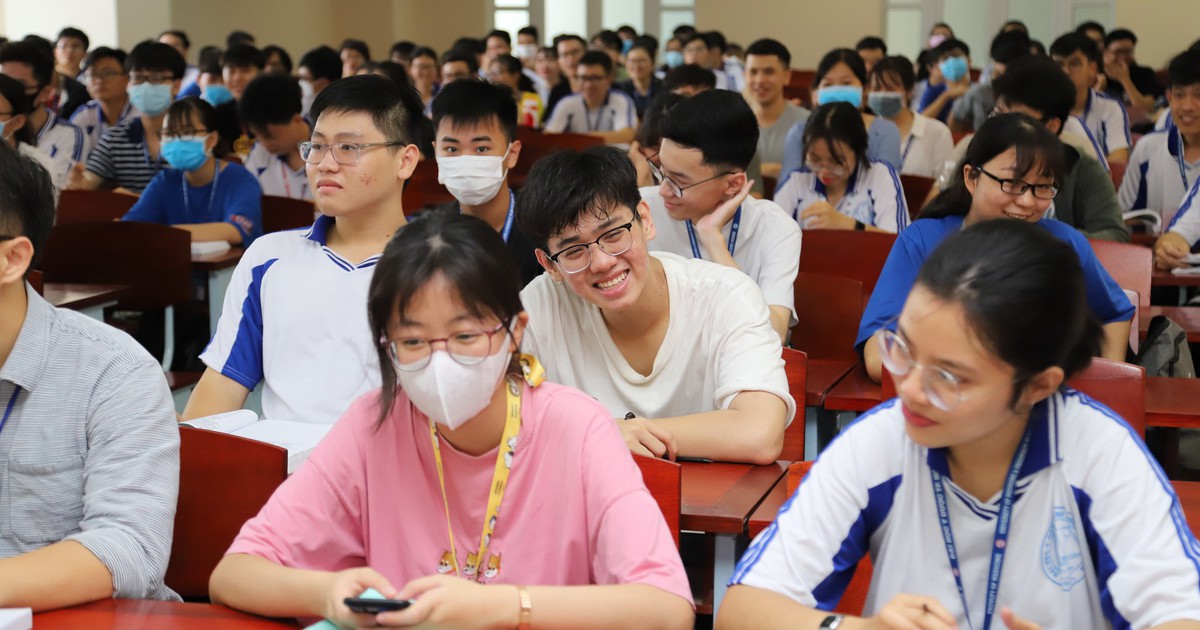
"Historically, medical training curricula have placed overwhelming emphasis on treatment while paying insufficient attention to prevention," Associate Professor Nguyen stated. "We are now actively restructuring our educational framework to prioritize this critical domain. Our objective is to equip doctors with foundational competencies so they possess absolute confidence regarding vaccine science, vaccinology, and public health implications. Consequently, they will be fully capable of providing expert consultation, guidance, and counseling to the community."
Through this specialized postgraduate training track, physicians will learn to navigate complex immunization schedules, assess individual patient risks, address vaccine hesitancy with evidence-based communication, and manage post-vaccination adverse events efficiently. This deep foundational knowledge empowers clinicians to serve as trusted advocates for preventative health within their clinical practices.
International Collaboration and Global Public Health Perspectives
The successful development and implementation of this pioneering curriculum are the culmination of extensive cooperative efforts involving domestic academic institutions, international health organizations, and foreign diplomatic missions. Notably, the British Embassy in Vietnam and several leading universities across the United Kingdom played a pivotal supportive role in fostering this educational advancement.
Professor Sir Jonathan Van-Tam, Pro-Vice-Chancellor for Political, Engagement and External Relations at the University of Nottingham and former Deputy Chief Medical Officer for the United Kingdom, delivered crucial insights during the academic discussions. Drawing from international experiences, Professor Van-Tam highlighted that adult immunization has rapidly evolved into a cornerstone strategy for maintaining robust health security and ensuring the long-term sustainability of national healthcare infrastructures.
"Across numerous developed nations, adult vaccination programs are recognized as fundamental pillars of healthy longevity strategies," Professor Van-Tam noted. "To operationalize these public health goals effectively, the healthcare workforce must receive rigorous, systematic training in vaccine science, clinical administration techniques, and effective patient communication. Vietnam’s proactive establishment of this specialized training program represents a commendable milestone in bolstering national preventative capabilities and preparing systematically for an increasingly aged population."
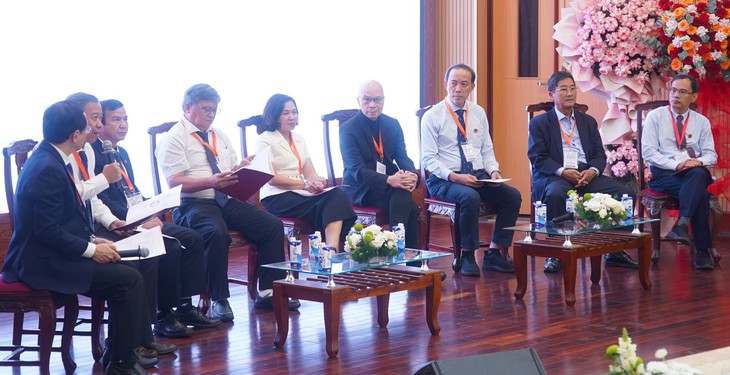
This academic partnership reflects a shared global commitment to fostering knowledge exchange, strengthening medical education standards, and building resilient healthcare human resources capable of meeting 21st-century health demands.
Addressing the Pressing Challenges of Population Aging in Vietnam
Vietnam is currently experiencing one of the fastest population aging processes in the world. According to demographic data from the General Statistics Office and international health organizations, the proportion of citizens aged 60 and older is expanding rapidly. This demographic shift introduces profound socioeconomic and public health challenges, as older adults face a significantly higher burden of chronic illnesses, diminished physiological reserves, and increased susceptibility to vaccine-preventable diseases such as influenza, pneumococcal disease, shingles, and pertussis.
As immune function naturally declines with age—a phenomenon known as immunosenescence—older adults are disproportionately affected by infectious diseases, frequently leading to severe complications, hospitalization, loss of independence, and increased mortality. Furthermore, infections in older populations often trigger acute exacerbations of underlying chronic conditions, including cardiovascular diseases, chronic obstructive pulmonary disease, and diabetes.
Public health experts stress that without robust preventive measures, the escalating healthcare costs associated with treating chronic disease complications in an aging population could overwhelm national health systems. Integrating adult immunization into routine clinical practice acts as a vital cost-effective shield, preserving functional capacity among seniors, reducing healthcare utilization, and alleviating the economic strain on families and healthcare facilities.
Strategic Integration into Undergraduate and Lifelong Medical Education
The launch of the postgraduate vaccinology program is only the initial phase of a broader, long-term institutional strategy. Dr. Pham Thuy Ai Lien, representing the academic leadership team, outlined the roadmap for future curricular expansion during the symposium. Following the successful establishment of the postgraduate framework, the university intends to systematically develop foundational teaching materials, train core faculty members, and design appropriate implementation models.
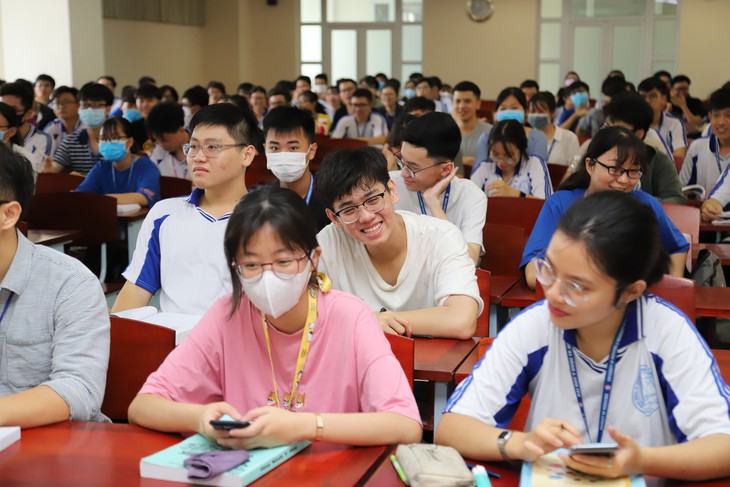
These preparatory steps will pave the way for seamlessly integrating comprehensive vaccinology content into undergraduate medical curricula in the coming years. By embedding these concepts early in medical training, the university aims to normalize preventative healthcare principles from the outset of a physician’s professional journey.
Moreover, the institution plans to establish continuous medical education (CME) modules tailored for practicing clinicians currently working across primary care facilities, district hospitals, and specialized clinics. This multi-tiered educational approach ensures that the existing healthcare workforce can rapidly update their competencies, bridging knowledge gaps regarding adult immunization guidelines and emerging vaccine technologies.
Broader Implications for the Vietnamese Healthcare System
The pioneering initiative undertaken by the University of Medicine and Pharmacy at Ho Chi Minh City carries profound implications for the future architecture of Vietnam’s healthcare ecosystem. By institutionalizing vaccinology education, the university is actively redefining professional competencies for modern medical doctors.
- Elevating Primary Care Capabilities: Primary care physicians serve as the first point of contact for patients. Equipping them with advanced knowledge in preventative medicine transforms primary healthcare centers into active hubs for health promotion and disease prevention rather than mere treatment facilities.
- Combating Vaccine Hesitancy: Well-trained clinicians are uniquely positioned to address misinformation, alleviate patient anxieties, and provide clear, scientifically grounded explanations regarding vaccine safety and efficacy. Enhanced communication skills among physicians are expected to drive higher vaccination coverage rates across adult and elderly demographics.
- Enhancing National Health Security: A healthcare workforce thoroughly educated in epidemiological surveillance, outbreak response, and preventive interventions significantly strengthens national health security, providing a robust line of defense against emerging infectious threats and pandemic preparedness.
- Aligning with International Standards: Adopting advanced curricula modeled on international best practices ensures that Vietnamese medical graduates possess globally competitive competencies, facilitating academic mobility, international research collaborations, and adherence to world-class clinical standards.
Conclusion and Future Outlook
As the medical community in Vietnam confronts the realities of an aging society, educational innovations such as the new vaccinology program at the University of Medicine and Pharmacy at Ho Chi Minh City represent a vital strategic investment in national resilience. By bridging the historical divide between therapeutic medicine and preventative public health, the institution is cultivating a new generation of physicians equipped with the foresight, knowledge, and dedication required to protect community health across the entire human lifespan. Through sustained academic collaboration, curricular expansion, and unwavering institutional commitment, this initiative establishes a transformative benchmark for medical education throughout Vietnam and the wider Southeast Asian region.
Related posts: