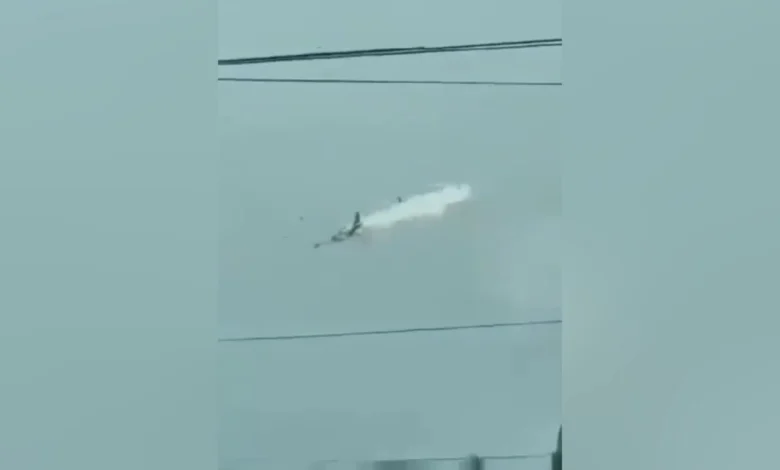
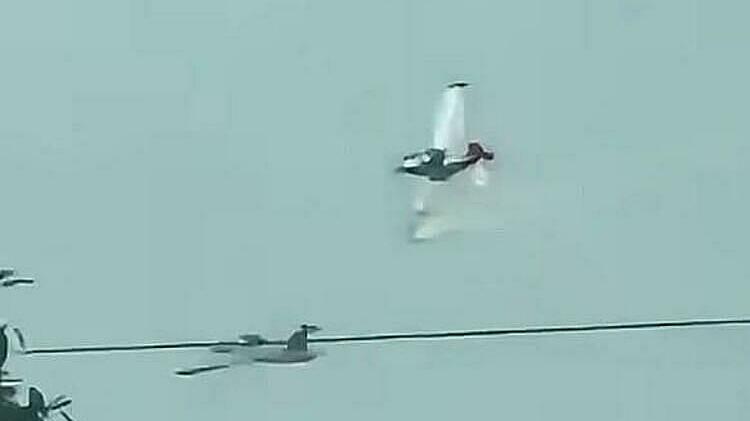
In a tragic incident that has sent shockwaves through the Philippine military establishment, two SF-260 training aircraft belonging to the Philippine Air Force (PAF) collided mid-air on October 23, resulting in the loss of all four crew members on board. The incident occurred at approximately 3:51 PM local time within the airspace of the Fernando Air Base, situated in Lipa City, Batangas province. The collision, captured on video and later disseminated by local media outlets, has raised urgent questions regarding aviation safety protocols and the operational readiness of the country’s aging training fleet.
Sequence of Events and Immediate Aftermath
The catastrophic event unfolded during a routine training exercise. Witnesses and subsequent analysis of footage provided by GMA News indicate that the two propeller-driven SF-260 Marchetti aircraft were engaged in a formation flight when they unexpectedly converged, leading to a mid-air impact. Following the collision, both aircraft plummeted toward the ground, crashing within the secure perimeter of the Fernando Air Base.
Upon impact, emergency response teams were immediately dispatched to the crash site. The Philippine Air Force confirmed that the area was cordoned off to facilitate initial assessment and search-and-rescue efforts. Despite the rapid deployment of firefighting and medical units, there were no survivors. The PAF later confirmed that four pilots—two in each aircraft—had perished in the line of duty.
In the immediate wake of the disaster, the PAF high command ordered a temporary grounding of the entire SF-260 fleet. This standard procedure is intended to ensure safety while a formal investigation board convenes to determine the precise technical or human factors that contributed to the collision. As of the latest update, the identities of the deceased pilots have not been publicly disclosed, pending notification of their next of kin.
The SF-260: A Workhorse of the Philippine Air Force
The SIAI-Marchetti SF-260, often referred to as the "Warrior," is a light, single-engine aircraft manufactured by the Italian company Leonardo (formerly Aermacchi). It is widely regarded as one of the most successful and versatile military trainers in the world. Since its introduction in the mid-1960s, the aircraft has been utilized by numerous air forces globally for primary pilot training, aerobatics, and even light attack roles due to its high maneuverability and responsive handling.
The Philippine Air Force has operated the SF-260 for several decades. It serves as the backbone of the PAF’s pilot development program, providing essential flight hours to cadets as they transition from basic flight theory to advanced aerial maneuvers. However, the advanced age of the current fleet has been a subject of ongoing internal discussion within the Department of National Defense (DND). While the aircraft have undergone various upgrades and maintenance cycles, the increasing frequency of technical incidents involving the platform has placed significant pressure on the PAF to modernize its training infrastructure.
A Pattern of Concern: Recent Aviation Accidents
This tragedy is not an isolated incident. The October 23 crash marks the second fatal accident involving an SF-260 within the last five months. On May 20, 2026, another SF-260 crashed in Tuba, Benguet, claiming the lives of two pilots: Captain Ruth Angelique Pasos, an instructor pilot, and Second Lieutenant Cherky Embudo, a student pilot.
The May incident led to a similar, albeit shorter, suspension of training flights. At that time, the PAF grounded the remaining 16 operational units of the SF-260 fleet to conduct a thorough safety audit. The recurring nature of these crashes—separated by only a few months—has amplified public concern regarding the maintenance schedules and the overall airworthiness of the training fleet. Aviation experts suggest that when two fatal accidents occur on the same platform within a short timeframe, it often signals systemic issues, whether related to mechanical fatigue, pilot fatigue, or gaps in training curriculum.
Official Response and Investigative Protocol
The Philippine Air Force has expressed its deepest condolences to the families of the victims. In an official statement, a PAF spokesperson described the event as a "heartbreaking accident" and committed to full transparency throughout the investigative process.
The investigation will likely be spearheaded by the Air Force’s Accident Investigation Board (AIB). This body is tasked with reviewing flight logs, maintenance records, and telemetry data from the flight recorders. Key areas of investigation will include:
- Mechanical Integrity: Whether there were pre-existing defects or maintenance oversights that could have hindered the pilots’ ability to maneuver.
- Environmental Factors: Assessing the weather conditions at the time of the flight, specifically visibility and wind shear in the Batangas area.
- Pilot Interaction: Analyzing communication logs between the two aircraft and the ground control tower to determine if a communication breakdown occurred during the formation exercise.
- Fleet Aging: Evaluating the long-term impact of the airframe’s service life on its structural stability.
Broader Implications for National Defense
The loss of four trained pilots is a significant blow to the Philippine Air Force, which has been working to enhance its operational capabilities amid increasing regional security challenges. Pilot training is a multi-year, high-cost investment; the loss of experienced instructors and promising students creates a void that cannot be quickly filled.
Furthermore, the repeated grounding of the SF-260 fleet causes a ripple effect throughout the military’s human capital development. Every time the fleet is pulled from service, the curriculum for new pilots is delayed, potentially creating a bottleneck in the pipeline for future combat-ready aviators.
Military analysts suggest that the Philippine government may now face accelerated pressure to replace the aging SF-260 fleet. While the aircraft has served the PAF well for years, the transition to modern, digital-cockpit trainers may no longer be a matter of preference but a necessity for ensuring the safety of personnel and the efficacy of the air defense force.
Conclusion and Outlook
As the nation mourns the loss of the four pilots, the focus remains on the investigation at Fernando Air Base. The findings will be critical not only for the families seeking answers but for the future of the Philippine Air Force’s training operations. The PAF’s ability to conduct a rigorous, objective, and transparent inquiry will be essential in restoring public and institutional confidence.
For now, the skies above Lipa City remain quiet as the military community reflects on the risks inherent in aviation training. The incident serves as a somber reminder of the sacrifices made by those who serve in the armed forces, often pushing the limits of technology and skill to ensure the defense of their country. The coming weeks will be decisive as the PAF evaluates whether its current training protocols are sufficient or if a more fundamental restructuring of its flight training program is required to prevent such tragedies from occurring in the future. The legacy of the four pilots will be defined by the systemic changes that result from this loss, ensuring that their service, while cut short, contributes to a safer future for those who follow in their flight paths.