Why is the Advanced Driver Assistance System becoming increasingly popular among car buyers today

The automotive landscape has undergone a profound transformation over the past decade, moving from purely mechanical operation toward an era defined by intelligent, software-driven safety. Central to this evolution is the Advanced Driver Assistance System (ADAS), a suite of technologies designed to augment human perception and reaction times behind the wheel. Once relegated to high-end luxury vehicles, ADAS has rapidly transitioned into the mainstream, becoming a deciding factor for contemporary car buyers who prioritize safety, convenience, and modern engineering in their daily commute.
The Evolution of ADAS: From Luxury to Standard Equipment
A decade ago, features such as Adaptive Cruise Control (ACC), Lane Keep Assist (LKA), and Automatic Emergency Braking (AEB) were premium add-ons, often found only in flagship models from manufacturers like Mercedes-Benz, Volvo, or Tesla. These systems were expensive to implement, requiring sophisticated arrays of sensors, high-resolution cameras, and powerful processors that were not yet cost-effective for mass-market vehicles.
The timeline of this integration accelerated significantly between 2018 and 2024. As production volumes increased and the technology matured, economies of scale drove down the manufacturing costs of the underlying components—specifically CMOS image sensors and radar modules. By 2025, regulatory pressures in various global markets, including parts of Asia and Europe, began mandating basic safety features such as AEB. Consequently, manufacturers began integrating these systems into mid-range and even entry-level sedans and SUVs to remain competitive and meet safety standards set by organizations like the New Car Assessment Program (NCAP).
How ADAS Works: The Digital Co-Pilot
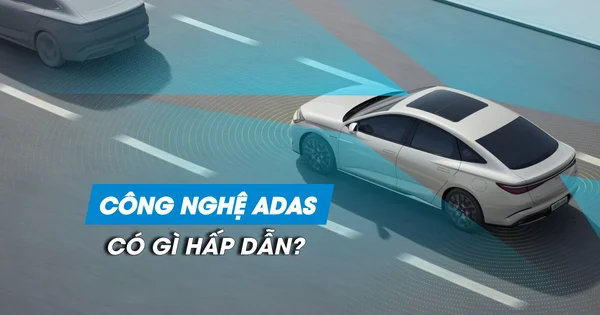
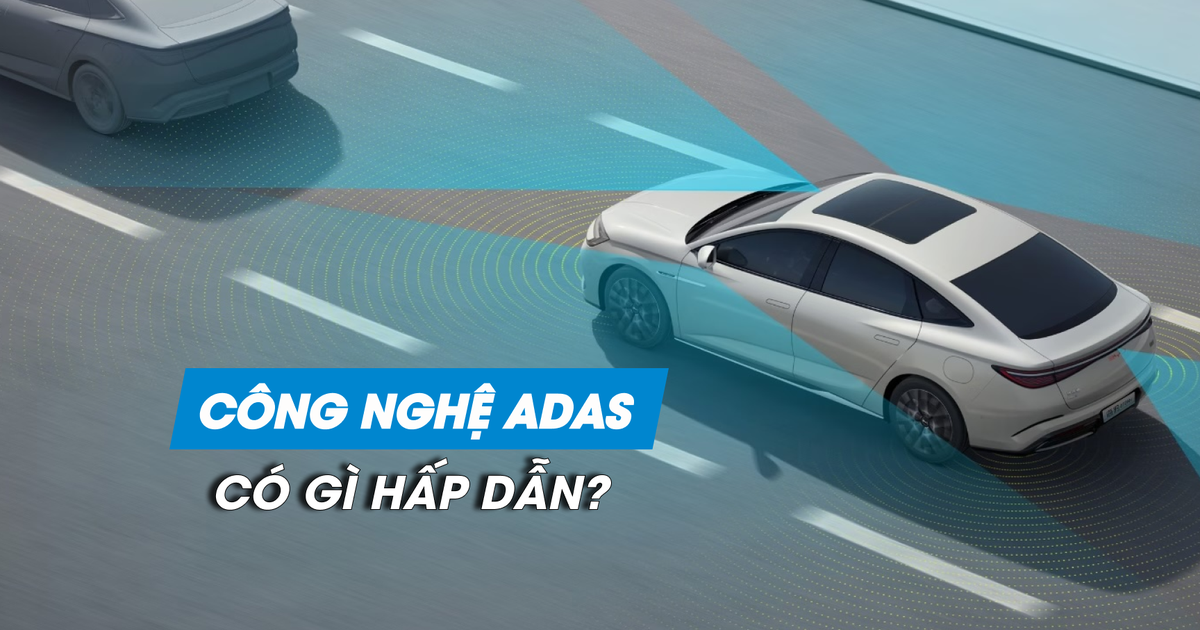
At its core, ADAS acts as a digital safety net. The system relies on a sensory fusion approach, combining input from long-range radar, ultrasonic sensors, and forward-facing cameras. These inputs are processed in real-time by an Electronic Control Unit (ECU) that interprets the vehicle’s environment.
When the vehicle detects an imminent collision—such as a sudden stop by the lead vehicle—the AEB system can intervene faster than a human driver, initiating braking or increasing brake pressure to prevent or mitigate the impact. Similarly, LKA uses cameras to track lane markings, applying gentle steering torque to keep the vehicle centered if the driver drifts unintentionally. On highways, adaptive cruise control maintains a safe, driver-selected distance from the vehicle ahead, accelerating and decelerating autonomously. These features do not make a vehicle "self-driving," but they significantly reduce the cognitive load on the driver, particularly during long-distance travel or in heavy traffic conditions.
Supporting Data and Safety Impact
The push toward ADAS is not merely a marketing trend but a response to data-driven insights regarding road safety. According to various global traffic safety studies, human error remains the leading cause of traffic accidents, accounting for approximately 90% to 94% of incidents worldwide.
Research by the Insurance Institute for Highway Safety (IIHS) and similar international bodies suggests that vehicles equipped with front-crash prevention systems experience a substantial reduction in rear-end crashes. For instance, data has indicated that vehicles with advanced braking systems see a nearly 50% reduction in rear-end collisions compared to those without. Furthermore, blind-spot monitoring systems have been linked to a 14% decrease in lane-change crashes. These statistics are driving consumer demand; modern buyers are increasingly viewing ADAS as an essential insurance policy, prioritizing vehicles with higher safety ratings that explicitly mention comprehensive ADAS suites.
Perspectives from Industry Experts and Stakeholders
Automotive analysts point out that the democratization of ADAS has fundamentally altered the buyer’s journey. Previously, a consumer might have chosen a car based on horsepower, interior materials, or brand prestige. Today, the conversation in showrooms has shifted toward "tech stacks."
"Safety is no longer a luxury feature; it is a baseline expectation," notes a lead automotive engineer at a major manufacturing firm. "We are seeing that even in the most affordable segments, customers are asking about lane-centering and emergency braking. They understand that these systems provide a layer of protection that was previously unavailable to the average driver."
Conversely, safety advocates emphasize the importance of driver education. There is a concern that as these systems become more prevalent, drivers may over-rely on them, leading to a phenomenon known as "automation complacency." Manufacturers have responded by implementing driver-monitoring systems that use infrared cameras to ensure the driver is attentive, even when ADAS is active. This balance between automation and accountability is the next frontier in vehicle safety.
The Broader Implications for the Automotive Industry
The widespread adoption of ADAS has broader implications for the automotive ecosystem, influencing everything from insurance premiums to vehicle maintenance.

Impact on Insurance
Insurance companies are beginning to adjust their risk models based on the presence of ADAS. Vehicles equipped with robust safety suites often qualify for lower premiums, as the likelihood of minor fender-benders is statistically reduced. However, this also presents a challenge: repairing a car with integrated sensors is more complex and expensive than repairing a traditional vehicle. A simple bumper replacement now often requires the recalibration of cameras and radar systems, which has necessitated a surge in training for automotive technicians.
The Shift in Maintenance
The "connected car" era requires service centers to evolve. Traditional mechanical shops are now required to invest in diagnostic software and precision calibration tools. As software becomes a primary component of the car, "over-the-air" (OTA) updates are becoming common, allowing manufacturers to improve the performance of existing ADAS features long after the car has been purchased. This longevity of value is another reason consumers are increasingly attracted to brands that invest heavily in software development.
Future Outlook
As we look toward the future, the integration of ADAS is widely viewed as a necessary bridge toward fully autonomous vehicles. The data collected from millions of miles driven with ADAS provides the foundational information required to train artificial intelligence for self-driving applications. However, in the near term, the focus remains on enhancing the capabilities of current systems to handle more complex scenarios, such as navigating intersections, detecting pedestrians in low-light conditions, and responding to unpredictable road debris.
Conclusion
The rising popularity of ADAS is the result of a convergence between technological capability, consumer demand, and the relentless drive for improved road safety. As the technology continues to filter down from luxury segments to the mass market, it is effectively raising the floor for safety standards across the globe.
While these systems are not a replacement for human vigilance, they serve as a critical aid that empowers drivers to navigate increasingly complex traffic environments with greater confidence. For the modern buyer, the choice of a vehicle is now an investment in a machine that is not only a mode of transport but a sophisticated partner in safety. As software-defined vehicles continue to evolve, the distinction between "luxury" and "standard" will continue to blur, ultimately benefiting every driver on the road. The era of the intelligent vehicle has arrived, and it is reshaping the automotive market one sensor at a time.