Should you replace your toothbrush after a bout of cold or flu: Expert guidance on oral hygiene and health

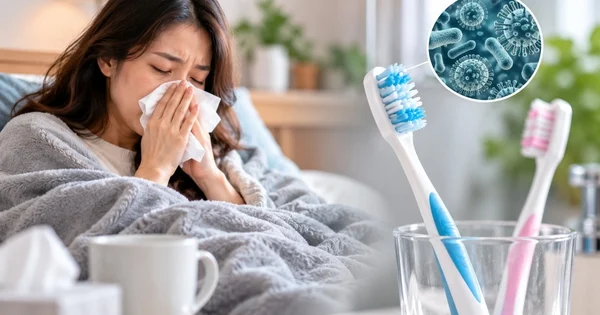
For many, the recovery from a common cold or the seasonal flu brings a checklist of post-illness habits: changing bed sheets, sanitizing surfaces, and, frequently, debating whether to discard a toothbrush. While the instinct to purge "germ-ridden" items is common, the scientific consensus regarding oral hygiene tools is more nuanced than a blanket recommendation for disposal. According to the American Dental Association (ADA) and leading oral health experts, the risk of reinfecting oneself through an existing toothbrush is statistically negligible, yet there are specific clinical scenarios where replacement is not just recommended, but necessary.
The Science of Microbial Persistence
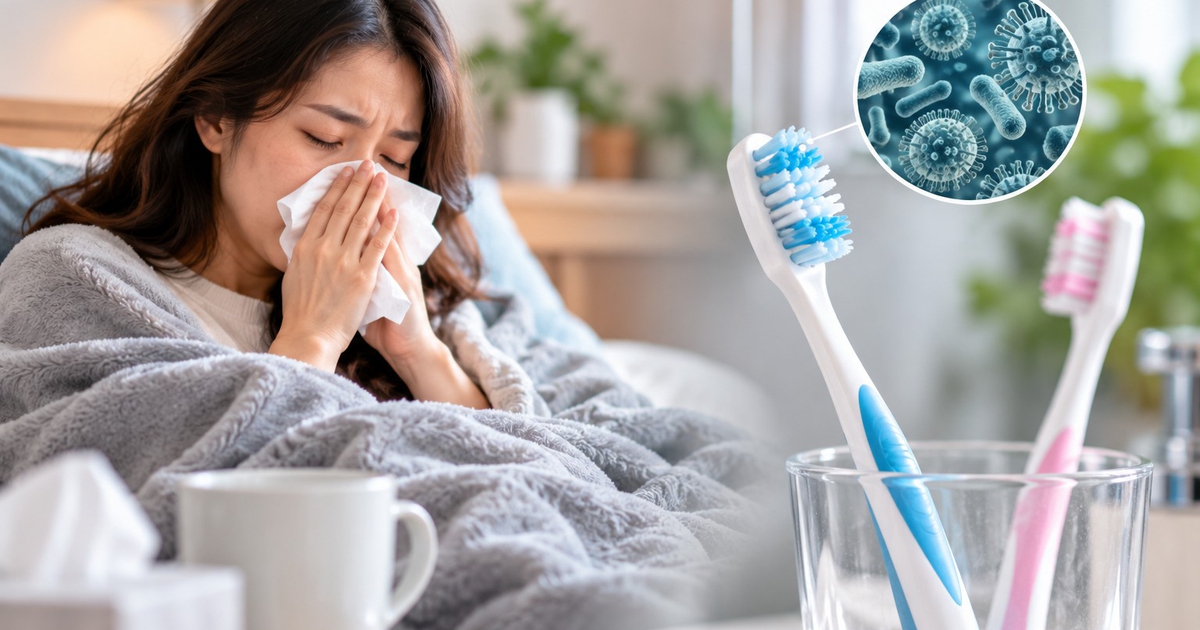
It is a biological reality that microorganisms, including bacteria, viruses, and fungi, can adhere to the bristles of a toothbrush. During a viral infection, the oral cavity becomes a reservoir for pathogens. However, the ADA maintains that there is currently no compelling clinical evidence suggesting that continuing to use a toothbrush after a common cold or flu leads to reinfection.
The human immune system, having just successfully fought off the pathogen, typically retains a level of immunity against that specific strain of virus. Therefore, even if trace amounts of a virus remain on the bristles, the body’s established antibodies are generally equipped to neutralize them upon re-exposure. This is a critical distinction in public health; while the presence of microbes is a fact, the clinical significance of that presence in a self-contained environment like one’s own bathroom is minimal.
When Should You Replace Your Toothbrush?
While the common cold does not necessitate an immediate disposal, experts advise that there are specific triggers that should prompt a change. Dr. Craig Noblett, Director of the Endodontics Department at the University of Minnesota School of Dentistry, suggests that patients should prioritize replacing their brushes following infections that involve significant oral or pharyngeal inflammation. These include conditions such as strep throat, oral thrush, or cases of severe gingivostomatitis.
The reasoning here lies in the intensity of the bacterial load. In cases of severe oral infection or dental abscesses, where pus or high concentrations of pathogenic bacteria may be present, the risk of the toothbrush acting as a persistent source of irritation or reinfection is elevated. Dr. Thomas Servos, a dental practitioner, emphasizes that in instances of abscessed teeth, the bacterial concentration on the brush could theoretically be high enough to warrant caution. He recommends replacing the brush once symptoms begin to subside—typically 24 to 48 hours into a course of antibiotics—to ensure that the oral environment remains as clean as possible during the healing phase.
Furthermore, individuals with compromised immune systems, such as those undergoing chemotherapy, those with autoimmune disorders, or those taking immunosuppressive medications, are in a different category. Dr. Tigran Gyokchyan, an expert in dental implants and oral rehabilitation, stresses that for these patients, the standard rules of oral hygiene must be more stringent. He advises these individuals to switch to soft-bristled brushes and ensure they are kept in a dry, ventilated area to prevent bacterial growth. Consultations with primary care physicians or dentists regarding the frequency of replacement are strongly encouraged for this demographic.
Understanding the Standard Replacement Cycle
To maintain optimal oral health, the ADA provides a universal recommendation that holds true regardless of one’s health status: replace your toothbrush every three to four months. This timeline is based on the mechanical degradation of the bristles rather than just microbial accumulation. As bristles become frayed, splayed, or worn, their ability to effectively remove plaque from the tooth surface and along the gum line diminishes significantly.
An analysis of dental hygiene studies reveals that a frayed toothbrush can be up to 30% less effective at plaque removal than a new one. Over time, the structural integrity of the nylon filaments breaks down, making it harder to reach the crevices between teeth. Therefore, the "post-illness" worry is often a distraction from the more important, daily reality of mechanical wear and tear.
The Broader Implications of Oral Hygiene During Illness
The focus on the toothbrush itself often overshadows the more critical aspect of oral health: how one manages their mouth while actively fighting a disease. Oral health experts note that the way you treat your teeth while you are sick is far more impactful than the disposal of the brush afterward.
1. Managing Post-Emetic Oral Health
If an illness involves vomiting, the oral environment becomes highly acidic due to stomach contents. Dentists advise against brushing immediately after vomiting. The acidity temporarily softens the tooth enamel, and the friction of a toothbrush can exacerbate enamel erosion. Instead, rinse the mouth thoroughly with water and wait 30 to 60 minutes before brushing to allow the enamel to remineralize.
2. Hydration and Xerostomia
Many illnesses lead to dry mouth (xerostomia), which reduces the flow of saliva—the mouth’s natural defense against bacteria. Prioritizing hydration is essential. For those relying on cough drops, lozenges, or medicated syrups, caution is required. Many of these products contain high concentrations of sugar. If consumed frequently, they create a persistent sugar-rich environment on the tooth surface, significantly increasing the risk of dental decay. If using medicated products, try to opt for sugar-free versions or ensure thorough rinsing after consumption.
3. The Fatigue Factor
When physically exhausted, the tendency to skip oral hygiene is high. However, neglecting the teeth during an illness can lead to a rapid buildup of biofilm. Even if you are unable to perform a full, rigorous cleaning routine, even a quick, light brushing is vastly superior to skipping the process entirely.
Evidence-Based Maintenance and Storage
To minimize the presence of bacteria on a toothbrush during and after an illness, simple storage protocols are more effective than frequent replacement:
- Air-Dry: Always store your toothbrush in an upright position. Allowing it to air-dry is the most effective way to inhibit the growth of bacteria, which thrive in moist, dark environments.
- Avoid Shared Containers: Ensure that your toothbrush does not come into contact with the bristles of others’ toothbrushes. Cross-contamination is a far greater risk in a shared household than the residual bacteria from your own infection.
- Avoid "Covers": While it may seem hygienic to use a plastic travel cap, these covers often trap moisture and create an incubator for microorganisms. Only use them during travel; at home, keep the brush exposed to air.
- Sanitization Myths: There is little evidence that soaking brushes in mouthwash or boiling them provides a significant clinical advantage. In fact, boiling can damage the plastic handle and the structural integrity of the bristles.
Conclusion
The anxiety surrounding whether to discard a toothbrush after a cold is largely a product of a misunderstanding of how the immune system functions. Unless you are suffering from a severe, localized oral infection—such as an abscess or deep tissue infection—or have a compromised immune system, your current toothbrush is likely safe to use.
The focus of public health messaging should remain on the consistent, mechanical replacement of toothbrushes every three to four months, the use of fluoride-based toothpaste, and the maintenance of oral health through proper hydration and nutrition during the recovery period. By shifting the focus from the fear of "germ-covered" bristles to the promotion of consistent, long-term oral hygiene habits, individuals can better manage their health without the unnecessary waste of resources. Ultimately, a clean, dry, and well-maintained toothbrush is a reliable tool, even after a seasonal illness, provided that standard dental care protocols are followed.