Honda and Mitsubishi Motors formalize partnership to develop an all-new pickup truck for the Southeast Asian market

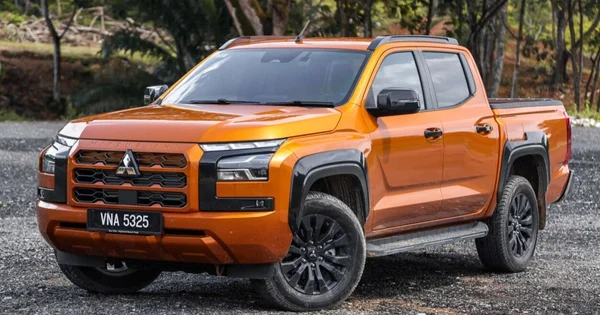
In a major shift for the automotive landscape in Southeast Asia, Honda Motor Co. and Mitsubishi Motors Corporation have officially confirmed a strategic collaboration to develop a brand-new pickup truck model. This partnership, solidified through a Memorandum of Understanding (MoU), marks Honda’s long-awaited reentry into a segment that has been historically dominated by Japanese rivals such as Toyota, Isuzu, and Mitsubishi itself. The new vehicle is expected to enter production in Thailand, with a projected market launch slated for 2028.
The Strategic Shift: Honda’s Return to the Pickup Segment
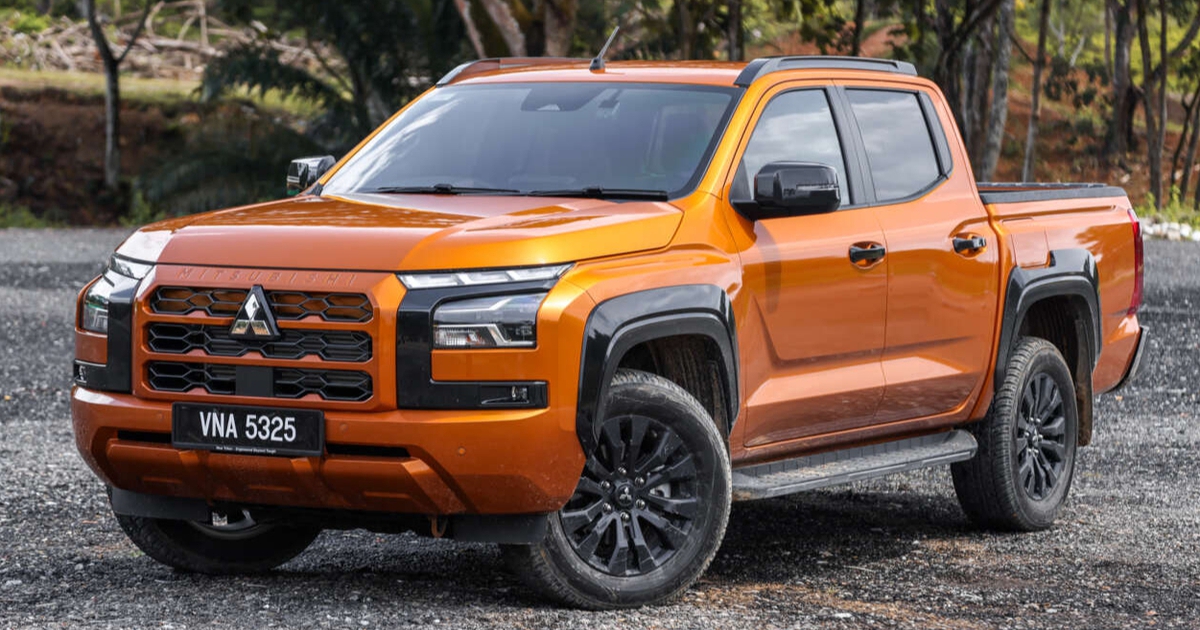
For decades, Honda has maintained a dominant presence in the sedan and SUV markets across the Association of Southeast Asian Nations (ASEAN) region. However, the pickup truck segment, which represents one of the highest-volume categories in the region, has remained a notable gap in the company’s portfolio. While Honda has successfully marketed the Ridgeline pickup in the North American market, that vehicle utilizes a unibody (monocoque) architecture. In contrast, the upcoming model designed for the ASEAN market will leverage the rugged, ladder-frame chassis architecture characteristic of the Mitsubishi Triton.
By utilizing the robust platform of the Mitsubishi Triton, Honda aims to bypass the immense research and development costs associated with engineering a new truck from the ground up. This "badge-engineering" or platform-sharing approach allows Honda to leverage Mitsubishi’s deep expertise in off-road engineering and durability, while Mitsubishi benefits from increased production volume at its Thai manufacturing facilities.
Chronology of the Partnership
The roots of this collaboration can be traced back to the broader realignment of the Japanese automotive industry. The current agreement is a result of a series of discussions that began in earnest following the signing of an initial MoU on August 1, 2024.
- August 2024: Honda, Mitsubishi, and Nissan signed an initial Memorandum of Understanding to explore strategic partnerships in electrification and software development.
- December 2024: Industry analysts observed the drafting of a secondary agreement regarding a potential deeper corporate integration, though discussions regarding a formal merger were ultimately abandoned to maintain individual corporate autonomy.
- October 2026: The two companies officially confirmed the development of the pickup truck project, signaling the transition from conceptual discussions to product engineering.
- 2027 (Projected): Finalization of design specifications and pilot production runs at the Laem Chabang facility.
- 2028 (Projected): Commercial launch and initial delivery of the new Honda pickup to markets across Southeast Asia.
Production Hub: The Role of Thailand’s Automotive Industry
The choice of Thailand as the production base is strategic. The Laem Chabang plant in Chonburi province is already a global center for the production of the Mitsubishi Triton. By centralizing production, the alliance expects to achieve significant economies of scale.
Thailand remains the "Detroit of Asia," providing a mature supply chain, a skilled labor force, and favorable export logistics to neighboring markets including Vietnam, Indonesia, Malaysia, and the Philippines. For Mitsubishi, the partnership provides a vital boost to factory utilization rates, which are critical for maintaining profitability in the face of rising costs and intense competition from emerging Chinese automotive brands.
Technical Implications and Market Positioning
While technical specifications remain under wraps, industry experts suggest that the vehicle will likely share the powertrain architecture found in the latest generation of the Mitsubishi Triton. This includes highly reliable turbo-diesel engines designed to handle the diverse infrastructure conditions of Southeast Asia, ranging from urban logistics to rural agricultural demands.
The transition to a ladder-frame chassis for a Honda-branded vehicle in this region signifies a shift in corporate priorities. Traditionally, Honda has prioritized driving dynamics and cabin refinement found in unibody vehicles. By adopting the Triton’s chassis, Honda is signaling that it is prepared to prioritize the utility, towing capacity, and off-road capability that regional consumers demand.
Competitive Landscape and Industry Analysis
The Southeast Asian pickup truck market is among the most competitive in the world. Currently, the Toyota Hilux and the Isuzu D-Max command the lion’s share of the market. The arrival of a Honda-badged contender introduces a new dynamic to this rivalry.
- Brand Loyalty: Honda enjoys significant brand equity in ASEAN. Many existing Honda sedan and SUV owners have historically been forced to move to competing brands when their needs shifted to a pickup. This new model will allow Honda to retain these customers within its ecosystem.
- Cost Efficiency: For Mitsubishi, the partnership serves as a risk-mitigation strategy. By sharing the development burden of future vehicle iterations, both companies can allocate more capital toward the transition to electric vehicles (EVs) and advanced driver-assistance systems (ADAS).
- Regional Synergy: The collaboration reflects a wider trend among Japanese manufacturers to consolidate efforts. With the rise of electric vehicle penetration, particularly from Chinese manufacturers like BYD and Great Wall Motor (GWM), Japanese incumbents are increasingly realizing that "going it alone" is no longer sustainable.
Official Stance and Future Outlook
While neither company has released detailed financial projections or specific marketing strategies, the public statements from both firms emphasize "strategic synergy." A spokesperson for the alliance noted that the goal is to create a product that honors the individual identity of the Honda brand while utilizing the engineering excellence that has kept the Mitsubishi Triton at the top of the segment for years.
The move is also seen as a proactive step to future-proof their manufacturing footprints. As environmental regulations tighten across ASEAN, the platform-sharing agreement may eventually extend to electrification. Analysts speculate that if the gasoline-powered truck finds success, the 2028 launch could serve as a precursor to a plug-in hybrid (PHEV) or even a full battery-electric (BEV) version of the platform in the early 2030s.

Broader Impact on the Automotive Sector
The implications of this agreement extend beyond a single product. It underscores the changing nature of corporate competition in the automotive world. As software-defined vehicles and the shift to carbon neutrality place unprecedented demands on R&D budgets, legacy automakers are increasingly willing to blur the lines of corporate identity to survive.
For the consumer, this partnership is expected to result in a highly competitive, reliable, and technologically advanced vehicle. By combining Honda’s reputation for interior ergonomics and customer service with Mitsubishi’s proven off-road pedigree, the resulting truck has the potential to disrupt the current market hierarchy.
As the 2028 target date approaches, stakeholders will be watching closely to see how the two companies integrate their respective supply chains. If successful, this partnership could serve as a blueprint for future collaborations in other segments, such as commercial vans or specialized fleet vehicles, further cementing the alliance between Honda and Mitsubishi as a cornerstone of the regional automotive industry.
In summary, the decision to develop a pickup truck is a calculated move by Honda to reclaim lost market share and by Mitsubishi to solidify its industrial dominance in Thailand. As these two Japanese titans align their resources, the Southeast Asian automotive market prepares for a significant shift, with the 2028 launch date marking a pivotal moment in the history of the regional utility vehicle segment.