Ukraine Reestablishes Stable Connection via SpaceX Starshield Following Tensions and Diplomatic Interventions

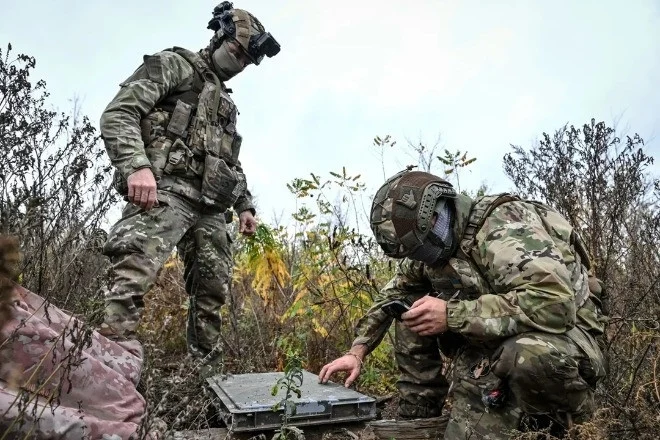
The military command of Ukraine has officially confirmed that the Starshield satellite internet system has fully resumed stable operations across the country. This crucial technological breakthrough comes after a troubling period of severe disruptions and bandwidth throttling, which highlighted the delicate intersection of modern commercial space technology, military logistics, and international geopolitics. The restoration of the high-speed satellite network provides an essential lifeline for Ukrainian forces on the front lines, particularly in managing unmanned aerial vehicle (UAV) operations, secure military communications, and critical logistical supply chains.
The announcement regarding the system’s recovery was made by Ukrainian Deputy Defense Minister Yevhen Khmara on October 24, citing reports from the Kyiv Post. Khmara emphasized that the high-performance satellite communications network is once again operating at peak efficiency, recording data transmission speeds exceeding 400 kilometers per hour. This rapid recovery serves as a stark contrast to the previous week, during which Ukrainian frontline units experienced unexpected bottlenecks and restrictive speed caps that severely impaired combat readiness.
Understanding the Role of Starshield in Modern Warfare
Starshield is a specialized business division developed by SpaceX to cater specifically to government, defense, and intelligence operations, primarily working alongside the Pentagon and the broader United States national security apparatus. Unlike its commercial counterpart Starlink, which focuses on civilian broadband connectivity, Starshield leverages the underlying satellite constellation as a robust transmission backbone while incorporating custom-built user terminals, dedicated secure networks, enhanced multi-layer military-grade encryption, and the capability to mount specialized sensors directly onto spacecraft and ground hardware.
Since the escalation of the conflict in Ukraine, satellite-based internet connectivity has transitioned from a civilian convenience into an indispensable military asset. Modern warfare relies heavily on decentralized command structures, real-time intelligence sharing, and precise drone coordination. When the Starshield and Starlink connections experienced sudden interference and throttling down to restrictive speeds—dropping to approximately 161 km/h during the height of the recent diplomatic friction—Ukrainian tactical operations faced immediate operational friction. Frontline commanders reported significant challenges in maintaining real-time situational awareness, guiding reconnaissance and strike drones, and coordinating rapid defensive maneuvers.
Chronology of the Disruption and Diplomatic Interventions
The abrupt degradation of the satellite communication network triggered intense behind-the-scenes diplomatic maneuvering between Kyiv and Washington. Although both Ukrainian and American officials engaged in immediate consultations to diagnose and resolve the connectivity crisis, neither government initially claimed official responsibility or pointed a finger regarding the origin of the restrictions. The sudden drop in bandwidth sparked widespread speculation across international defense circles regarding the operational autonomy of commercial space assets utilized in active combat zones.
Amid the mounting operational pressures, high-level diplomatic channels initiated by Ukrainian leadership played a pivotal role in defusing the crisis. President Volodymyr Zelensky’s administration pursued direct, high-level dialogues with American counterparts and stakeholders to address the technical bottlenecks. Simultaneously, broader international diplomatic efforts contributed to creating an atmosphere conducive to de-escalation. Notably, concurrent developments—such as localized ceasefires negotiated for humanitarian purposes in regions like Kherson under the diplomatic facilitation of former US First Lady Melania Trump—demonstrated a multi-tiered approach to easing immediate humanitarian and military pressures.
U.S. leadership addressed the connectivity crisis publicly as diplomatic efforts intensified. On October 23, U.S. President Donald Trump commented on the situation during a media briefing, stating that while he had not yet spoken directly with SpaceX CEO Elon Musk, he was aware that the network issues were being addressed. He affirmed his administration’s commitment to resolving any technical or logistical hurdles that could impede operational stability on the ground, emphasizing a readiness to intervene directly if technical bottlenecks persisted.
Elon Musk, the founder and CEO of SpaceX, subsequently reiterated the governance framework surrounding the Starshield architecture. Musk publicly emphasized that Starshield systems deployed in sensitive regions remain under the ultimate purview, ownership, and control of the United States government. He noted that policy decisions regarding bandwidth allocations, speed limitations, and operational parameters are ultimately dictated by defense directives and governmental frameworks rather than commercial discretion alone.

Broader Implications for Commercial Technology in Geopolitical Conflicts
The recent stabilization of Ukraine’s Starshield network underscores a broader, evolving paradigm regarding the role of private aerospace and technology firms in sovereign conflicts. As commercial entities increasingly become the primary infrastructure providers for military communications, governments, and defense agencies must navigate complex legal, operational, and ethical frameworks.
The temporary disruption and subsequent recovery of Starshield in Ukraine offer several vital implications for future military planning and technological integration:
- Vulnerability of Commercial Infrastructure: While commercial mega-constellations offer unmatched bandwidth, redundancy, and global coverage compared to traditional military satellites, their reliance on corporate management and foreign regulatory oversight introduces geopolitical vulnerabilities.
- The Critical Nexus of Drones and Data: Modern tactical success relies on uninterrupted, high-bandwidth data feeds. Even minor bandwidth restrictions can severely degrade the efficacy of drone swarms and artillery-spotting operations, shifting the balance of tactical engagement on the front lines.
- The Importance of Direct Diplomatic Channels: The swift restoration of the network highlights the effectiveness of high-level state-to-state communication in resolving technical disputes involving private contractors and foreign defense assets.
As Ukraine continues to integrate high-tech communication networks into its defense strategy, the successful restoration of Starshield marks a critical stabilization point. Moving forward, Ukrainian military leadership has underscored that authorities will maintain rigorous monitoring of the network’s performance to ensure uninterrupted logistics, intelligence sharing, and combat coordination as broader international diplomatic talks—including upcoming tripartite negotiations scheduled for early November in Abu Dhabi—continue to seek a comprehensive path toward peace.