Police in Thanh Hoa Province Arrest Two Armed Suspects After Standoff on Rooftop Following Inter-Provincial Drug Operation

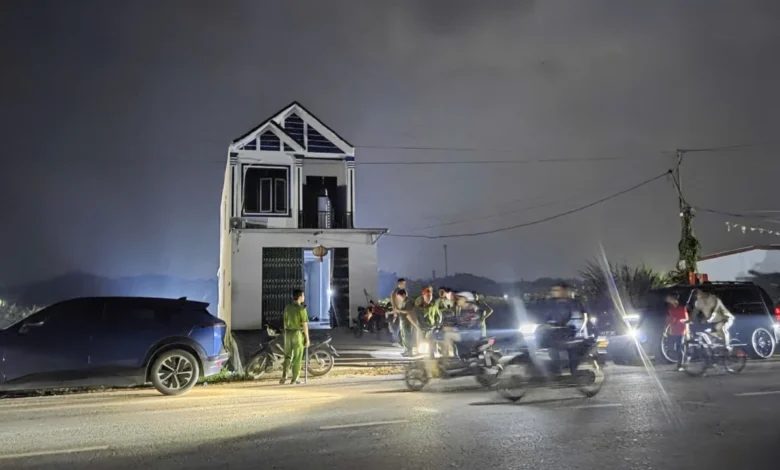
Law enforcement authorities in Thanh Hoa Province successfully concluded a tense, multi-hour standoff on the evening of October 26, arresting two male suspects who had barricaded themselves on the roof of a two-story residential building while armed with dangerous weapons. The operation, which lasted nearly nine hours, required a coordinated tactical response between local provincial police and units from the Hai Phong City Police Department, drawing significant public attention and underscoring the complexities involved in inter-provincial law enforcement pursuits related to illicit narcotics trafficking.
Overview of the Incident and Tactical Response
The high-stakes operation reached its conclusion at approximately 21:15 on October 26, when specialized tactical teams successfully subdued and detained the two individuals. The suspects had sought refuge atop a residential structure situated adjacent to National Highway 522, passing through Gia Mieu village in Ha Long Commune, Vinh Loc District, Thanh Hoa Province.
According to preliminary briefings provided by local municipal authorities and the People’s Committee of Ha Long Commune, the operation began much earlier in the day. The suspects, whose identities have been withheld pending further investigative developments, are strongly suspected of involvement in an inter-provincial drug trafficking ring. Their volatile behavior, marked by the possession of swords, clubs, and other sharp implements while occupying an elevated and unsecured position, necessitated an exceptionally cautious approach by law enforcement to safeguard both the public and police personnel deployed to the scene.
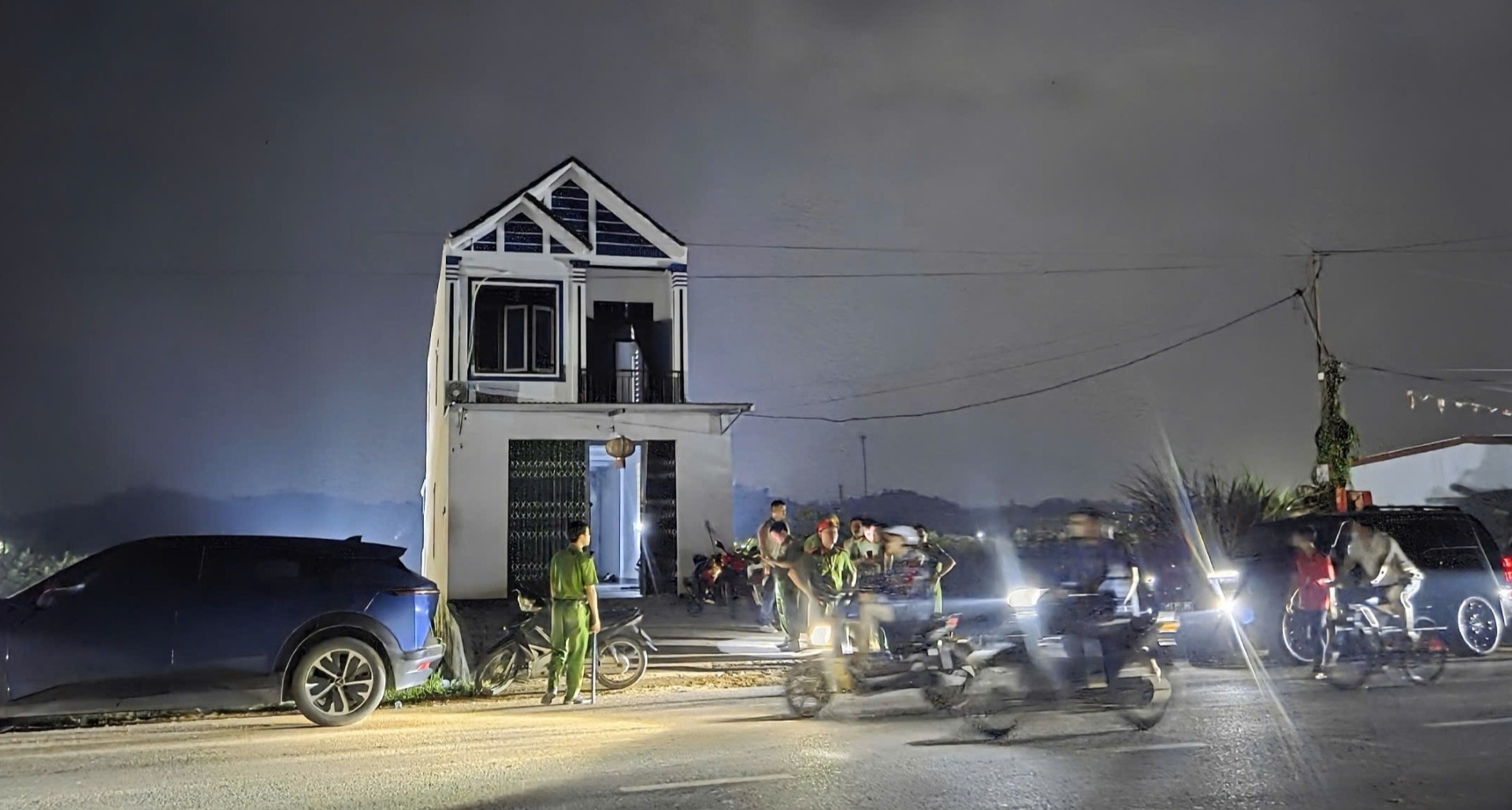
Following the successful neutralization and apprehension of the suspects, tactical units swiftly escorted them from the rooftop into an awaiting law enforcement transport vehicle. The convoy departed the scene under heavy security shortly thereafter, transferring the detainees to a secure detention facility for formal interrogation and processing.
Detailed Chronology of Events
The chronology of the October 26 operation highlights the meticulous planning and extensive resources required to manage armed barricade situations in densely populated rural or semi-urban communities:
- 12:30 (October 26): Local authorities in Ha Long Commune received an urgent request for operational cooperation from the Hai Phong City Police Department. Intelligence indicated that a targeted group of suspects fleeing law enforcement in Hai Phong had crossed provincial boundaries and entered Thanh Hoa.
- Early Afternoon: The Thanh Hoa Provincial Police, in collaboration with the Ha Long Commune Police and the visiting Hai Phong task force, rapidly mobilized assets to seal off the targeted area. Law enforcement established a strict perimeter around the two-story residence located near National Highway 522.
- Mid-Afternoon: Realizing they were cornered, the two suspects climbed onto the roof of the building, armed with swords and heavy wooden clubs. Exhibiting aggressive and erratic behavior, they openly brandished their weapons to deter approaching officers, creating a prolonged stalemate.
- 17:00 – 21:00: Throughout the evening hours, negotiators and tactical commanders maintained a secure containment perimeter, continuously assessing the structural layout of the building and evaluating entry vectors that would minimize risk. Traffic along nearby segments of National Highway 522 was managed to prevent civilian interference and ensure unimpeded movement for emergency response vehicles.
- 21:15: Capitalizing on tactical positioning and favorable conditions, specialized intervention units moved in, rapidly scaling the structure to disarm and physically restrain the two individuals without causing severe injury to the suspects, officers, or bystanders.
- Post-21:15: The suspects were transferred to an armored transport vehicle, concluding the nearly nine-hour operation, while forensic teams commenced evidence collection at the scene.
Inter-Provincial Crime Trends and Law Enforcement Coordination
The operation in Thanh Hoa reflects broader systemic shifts in transnational and inter-provincial organized crime within Vietnam, particularly concerning the illicit narcotics trade. Drug trafficking syndicates frequently utilize modern transportation corridors—such as national highways linking major northern port cities like Hai Phong with central and southern provinces—to move synthetic drugs, heroin, and other controlled substances across regional boundaries.
Security analysts note that when criminal networks face sudden disruption by regional task forces, suspects often attempt to evade capture by fleeing into neighboring jurisdictions, mistakenly believing that administrative boundaries will impede the swift pursuit of law enforcement. However, enhanced intelligence-sharing protocols and standardized inter-provincial cooperation frameworks between municipal police departments—such as the collaboration observed between Hai Phong and Thanh Hoa—have increasingly closed these jurisdictional gaps.
The presence of dangerous weapons during the Thanh Hoa standoff also underscores an alarming trend wherein modern drug suspects are increasingly prepared to resort to armed resistance when cornered. This reality forces modern police agencies to invest heavily in specialized tactical training, non-lethal crowd-control and apprehension tools, and crisis negotiation units capable of resolving volatile standoffs without resorting to lethal force whenever possible.
Official Responses and Community Impact
Local governance and law enforcement representatives have emphasized that public safety remained the paramount priority throughout the nine-hour ordeal. The People’s Committee of Ha Long Commune commended the swift and disciplined actions of the participating police forces, noting that the successful containment of the suspects prevented any potential collateral damage to local residents living in the immediate vicinity of National Highway 522.
Residents in Gia Mieu village experienced significant disruption during the afternoon and evening hours as police cordoned off roads and maintained a visible tactical presence. Local authorities subsequently engaged with community members to provide reassurance, restore normal traffic flow along the highway, and normalize daily activities once the suspects were safely removed.
Broader Implications and Ongoing Investigation
As the investigation enters its next phase, the primary objectives for law enforcement include establishing the full extent of the suspects’ criminal network, determining the origin and destination of any narcotics involved, and identifying potential accomplices who may have facilitated the suspects’ flight from Hai Phong to Thanh Hoa.

Furthermore, prosecutors and investigators will review the specific charges applicable to the detained individuals, likely encompassing drug trafficking, resisting law enforcement officers on duty, and illegal possession of deadly weapons. Legal experts point out that the severity of the charges, compounded by the inter-provincial nature of the flight and the use of armed resistance, will likely result in severe penal consequences under Vietnamese law.
The successful conclusion of the Thanh Hoa rooftop standoff serves as a critical case study in modern Vietnamese law enforcement doctrine: demonstrating the effectiveness of inter-agency cooperation, the value of patience and containment in high-risk tactical environments, and the unwavering resolve of security forces to dismantle drug distribution networks regardless of geographical boundaries.
Related posts: