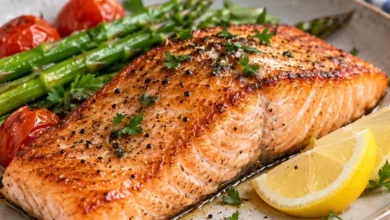
Top 3 Iron-Rich Foods and Smart Dietary Strategies to Prevent Anemia and Boost Energy

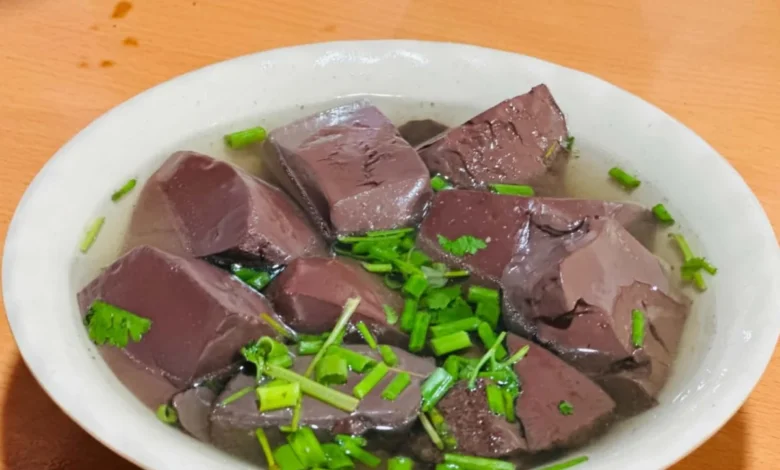
According to the United States National Institutes of Health (NIH), dietary iron exists primarily in two main forms: heme iron and non-heme iron. Heme iron is predominantly found in animal-derived products such as red meat, seafood, poultry, and organ meats, and it is significantly more bioavailable and efficiently absorbed by the human body. Conversely, non-heme iron is primarily sourced from plant-based foods, fortified grains, and dairy, but it possesses a lower absorption rate that can be heavily influenced by various dietary compounds.
Understanding the distinct properties of these two iron categories is vital for anyone seeking to optimize their nutritional intake, prevent debilitating conditions like iron-deficiency anemia, and maintain peak physical vitality. Healthcare professionals consistently emphasize that incorporating the right combination of iron-rich foods while avoiding absorption inhibitors is the cornerstone of a balanced, preventative diet.
Understanding Iron Forms and Biological Absorption
Iron is an essential mineral required for the production of hemoglobin, a specialized protein in red blood cells that transports oxygen from the lungs to every tissue and organ in the body. When dietary iron intake falls short of physiological demands over an extended period, the body’s iron stores become depleted, eventually leading to iron-deficiency anemia—a widespread public health concern characterized by chronic fatigue, weakness, pale skin, shortness of breath, and impaired cognitive function.
The human digestive tract processes heme and non-heme iron through entirely different pathways. Heme iron is absorbed intact across the intestinal mucosa via specific receptor-mediated mechanisms, largely unaffected by the presence of other dietary components. Non-heme iron, however, is much more susceptible to the chemical environment of the gut. Its absorption can be substantially enhanced or inhibited by the simultaneous consumption of other nutrients, making meal composition a critical factor in overall iron status.
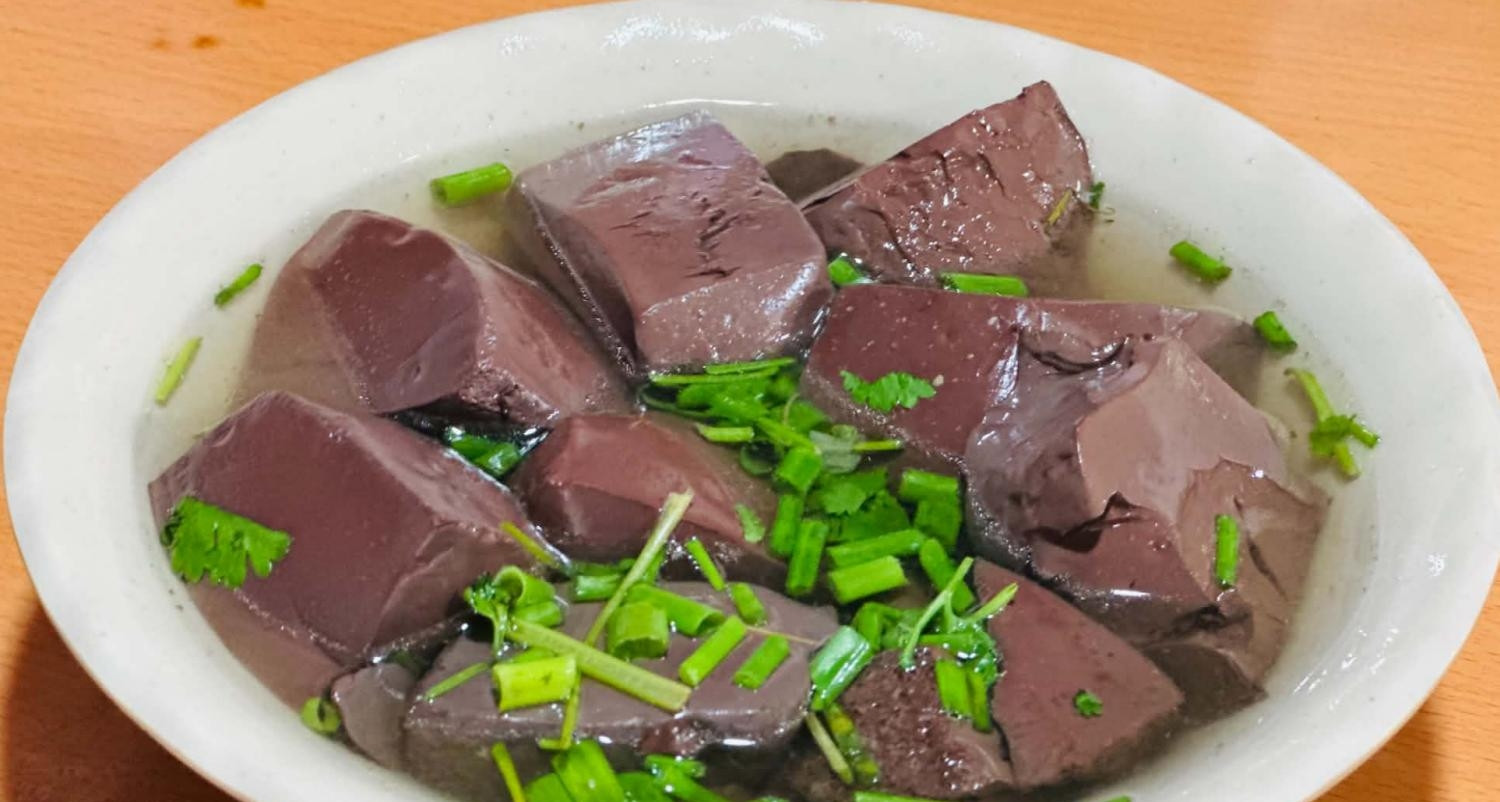
Recent dietary evaluations by the European Food Safety Authority (EFSA) reaffirm that animal-sourced heme iron exhibits a significantly higher biological bioavailability—ranging from 15% to 35%—compared to the 2% to 20% absorption rate typically observed with plant-derived non-heme iron. Consequently, incorporating targeted animal products into one’s weekly meal plan can be an efficient strategy for preventing micronutrient deficiencies.
1. Red Meat: A Premier Source of Heme Iron
Red meat—including beef, lamb, pork, and venison—stands out as one of the most reliable and potent sources of dietary heme iron. For instance, a standard 85-gram (3-ounce) serving of cooked lean beef delivers approximately 2 milligrams of highly absorbable iron, making a substantial contribution to daily nutritional requirements.
Nutritional guidelines suggest that healthy adults can safely consume approximately 40 to 75 grams of red meat per day as part of a balanced diet, with beef or lamb appearing on the menu two to three times weekly. Health experts strongly advise prioritizing lean cuts and trimming visible fat, while minimizing processed meats that are often high in sodium and saturated fats.
To maximize the nutritional value of red meat dishes, culinary and nutritional science recommends pairing these proteins with vitamin C-rich vegetables such as tomatoes, bell peppers, broccoli, or citrus juices. Ascorbic acid (vitamin C) acts as a powerful reducing agent in the digestive tract, chemically converting non-heme iron into a more soluble form and significantly enhancing the body’s ability to absorb both heme and non-heme iron consumed during the same meal.
2. Animal Liver: Nutrient-Dense Organ Meats
Organ meats, particularly beef and chicken liver, are nutritional powerhouses that pack an exceptionally high concentration of iron alongside a wealth of other essential micronutrients, including vitamin A, vitamin B12, folate, and copper. According to NIH reference data, a modest 85-gram serving of pan-seared beef liver provides an impressive 5 milligrams of iron—more than double the amount found in standard cuts of muscle meat.
Because of their extraordinary nutrient density, liver does not need to be consumed in large quantities or on a daily basis to yield health benefits. Dietitians frequently recommend consuming roughly 25 grams of liver per serving, restricted to two to three times per month.
However, medical professionals sound a note of caution regarding organ meats: liver is exceptionally high in preformed vitamin A (retinol) and dietary cholesterol. Individuals with pre-existing cardiovascular conditions, elevated blood cholesterol levels, or pregnant women (due to risks associated with excess vitamin A) should consult a physician or clinical nutritionist before adding liver to their regular dietary regimen.
3. Animal Blood: Traditional Blood Puddings and Curds
Animal blood—such as pork blood (tiet heo) and duck blood—is a traditional ingredient in various culinary cultures and serves as an extraordinarily concentrated source of heme iron. Frequently utilized in soups, hot pots, and solidified curd dishes, blood products can provide a rapid boost to dietary iron intake when prepared safely.
Nutritional standards suggest utilizing portions of approximately 50 to 100 grams per serving, consumed one to two times weekly. Nevertheless, because blood is a highly perishable medium prone to rapid microbial proliferation, strict food safety protocols are paramount. Consumers must ensure that any blood-based product is sourced from reputable, inspected vendors, thoroughly cooked, and stored under proper refrigeration to eliminate the risk of foodborne bacterial infections.
Strategic Food Combinations to Optimize Iron Uptake
Achieving optimal iron status is not merely a matter of eating iron-dense foods; it requires an intelligent understanding of how different dietary components interact within the digestive system.
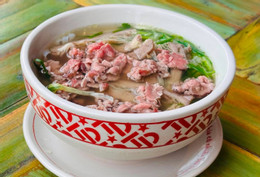
As highlighted by the NIH, ascorbic acid (vitamin C) is the most potent dietary enhancer of non-heme iron absorption. By incorporating fresh fruits, bell peppers, leafy greens, or a squeeze of lemon juice into meals containing beans, lentils, or fortified grains, individuals can multiply the amount of iron their bodies successfully absorb.
Conversely, certain compounds naturally present in everyday beverages and foods can significantly impair iron absorption. Nutritional science has clearly established that polyphenols found in black and green tea, tannins in coffee, phytic acid (phytates) in whole grains and legumes, and calcium in dairy products can bind to iron molecules in the gut, forming insoluble complexes that the body cannot assimilate. To mitigate this effect, experts recommend separating the consumption of tea, coffee, or calcium supplements from iron-rich meals by at least one to two hours.
Daily Nutritional Requirements Across Demographics
Human iron requirements vary considerably depending on age, biological sex, and specific life stages. According to comprehensive evaluations by the EFSA, the recommended daily dietary allowance (RDA) for iron differs across populations:
- Adult Men and Postmenopausal Women: Require approximately 11 milligrams of iron per day to maintain baseline physiological equilibrium and replace normal cellular iron loss.
- Premenopausal Women: Require an elevated intake of approximately 16 milligrams per day. This higher requirement is driven by the periodic blood and iron loss associated with the menstrual cycle, which places women of childbearing age at a substantially higher risk for developing iron-deficiency anemia.
- Pregnant and Lactating Women: Experience markedly increased physiological demands to support fetal development, placental growth, and expanded maternal blood volume, often necessitating targeted medical guidance and supplementation.
Clinical Diagnosis and the Danger of Self-Treating Anemia
While adjusting one’s diet is a powerful preventative measure, diet modification alone is frequently insufficient for individuals who have already been clinically diagnosed with moderate to severe iron-deficiency anemia.
Medical experts caution that fatigue and anemia symptoms can stem from a wide array of underlying pathologies—ranging from chronic inflammatory conditions and gastrointestinal bleeding to malabsorption disorders and occult malignancies. Consequently, individuals exhibiting symptoms of anemia should undergo comprehensive diagnostic blood panels (including serum ferritin, serum iron, total iron-binding capacity, and complete blood counts) rather than attempting to self-treat through dietary changes or over-the-counter supplements alone.
Unsupervised, high-dose iron supplementation can lead to iron toxicity, gastrointestinal distress, and oxidative stress in organs such as the liver and heart. When an undiagnosed or unclear cause of anemia presents itself, thorough medical investigation by a qualified physician is essential to identify and address the root pathology, ensuring a safe, targeted, and medically supervised recovery path.