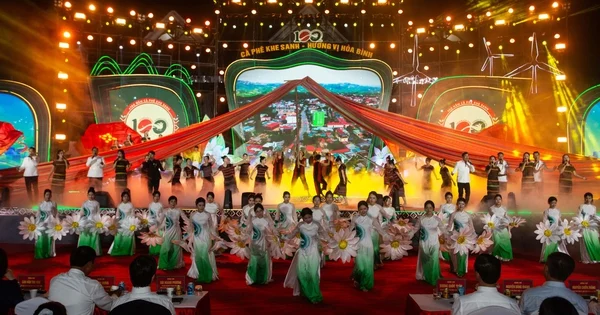
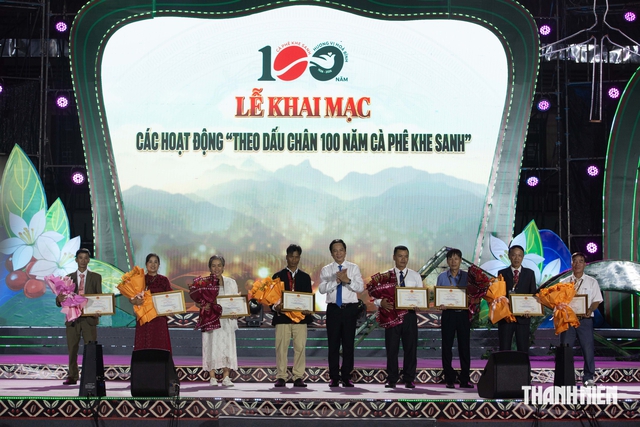
On the evening of October 24, 2026, the Van Kieu – Pa Co Cultural House in Khe Sanh, Quang Tri province, became the epicenter of a significant cultural and economic milestone. The provincial People’s Committee officially inaugurated the "Following the Footsteps of 100 Years of Khe Sanh Coffee" program, a cornerstone event within the broader 2026 Festival for Peace. This celebration marks a century of agricultural resilience, transforming a region once synonymous with the ravages of war into a thriving hub of specialty coffee production and international diplomacy.
The event saw the attendance of high-ranking provincial officials, including Mr. Vuong Quoc Tuan, Secretary of the Quang Tri Provincial Party Committee, and Mr. Bui Hoang Phuong, Chairman of the Quang Tri Provincial People’s Committee. They were joined by industry leaders, local coffee growers, and international visitors, all gathered to honor a commodity that has become the lifeblood of the Khe Sanh highlands.
A Century of Transformation: From Battlefield to Highland Oasis
To understand the magnitude of this centennial, one must look at the historical trajectory of the region. Khe Sanh, situated in the Huong Hoa district, is geographically defined by its cool climate, high altitude, and basaltic soil—ideal conditions for cultivating Arabica coffee. However, for much of the 20th century, the name "Khe Sanh" was etched into global consciousness as a site of intense military conflict.
The introduction of coffee to the region began in the mid-1920s. Initial plantations were small and experimental, but by the mid-century, they faced the existential threat of war. Following the restoration of peace, the local population engaged in a monumental effort to reclaim the land. The transformation from scarred, mine-laden terrain to lush, green coffee hillsides is a testament to the perseverance of the local farmers and the strategic shift toward high-value agricultural development.
Chronology of Development
- 1926: The first coffee seeds are introduced to the fertile basalt soils of the Khe Sanh highlands, marking the birth of the local industry.
- 1960s–1970s: The industry faces severe disruption due to the escalation of the Vietnam War, with land rendered largely unusable for commercial farming.
- 1980s–1990s: Post-war reconstruction begins. Farmers initiate massive demining and soil restoration efforts, replanting coffee as a primary source of economic recovery.
- 2000s–2015: The industry matures, shifting focus from quantity to quality, with the adoption of international standards for sustainable farming.
- 2016–2026: Khe Sanh coffee gains geographical indication (GI) protection, establishing itself as a premium specialty brand in both domestic and export markets.
Economic Impact and Agricultural Data
Today, Khe Sanh coffee is not merely an agricultural product; it is a vital economic pillar for Quang Tri province. Recent data indicates that the region hosts thousands of hectares dedicated to high-quality Arabica. The industry currently supports the livelihoods of over 5,000 households in the Huong Hoa district.
The strategic transition toward specialty coffee—characterized by meticulous harvesting, wet processing, and high-altitude cultivation—has seen the value of Khe Sanh coffee exports rise by an average of 12% annually over the last five years. By focusing on "Specialty Coffee," farmers have been able to bypass commodity-grade market fluctuations, securing higher price points in European and North American markets.
Official Perspectives on the "Make Coffee, Not War" Initiative
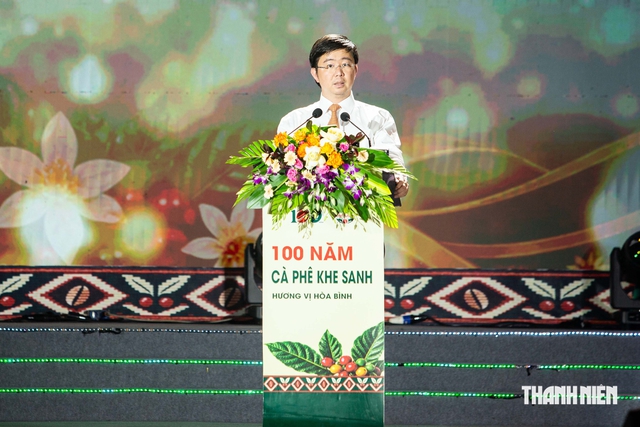
During the inauguration ceremony, Chairman Bui Hoang Phuong underscored the symbolic and practical importance of the festival. He explicitly linked the local industry to the province’s broader vision of becoming a destination for peace and international reconciliation.
"Today, we do not come here to dwell on the war as a point of division," Mr. Phuong stated. "We come to share with friends from across the continents a new story—a story of a green, prosperous Khe Sanh that is confidently stepping into the future. It is particularly significant that this journey is told through a humble plant: the Khe Sanh coffee tree, which has stood for 100 years on this land."
The Chairman highlighted the slogan "Make Coffee, Not War," characterizing it as an evocative message that transcends the local context to resonate globally. This initiative is designed to rebrand the region, replacing the imagery of conflict with that of sustainable development, environmental stewardship, and the shared human experience of enjoying a cup of coffee.
Recognizing Excellence and Community Support
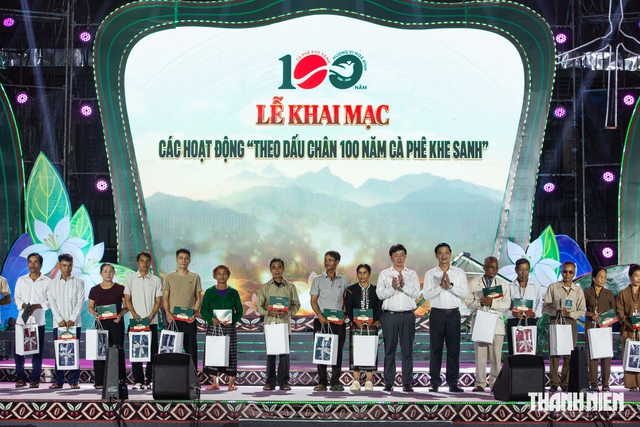
A core component of the opening ceremony was the recognition of those who have sustained the industry. Provincial leadership awarded certificates of merit to three organizations and five individuals for their outstanding contributions to the development of the specialty coffee sector.
Furthermore, the provincial government emphasized social responsibility by providing financial support to 30 households, including families of policy beneficiaries and impoverished households in the area. This inclusionary approach reflects the government’s commitment to ensuring that the growth of the coffee industry translates into tangible improvements in the quality of life for all residents of the highlands.
The Artistic Narrative: "Khe Sanh Coffee – Heading Toward Peace"
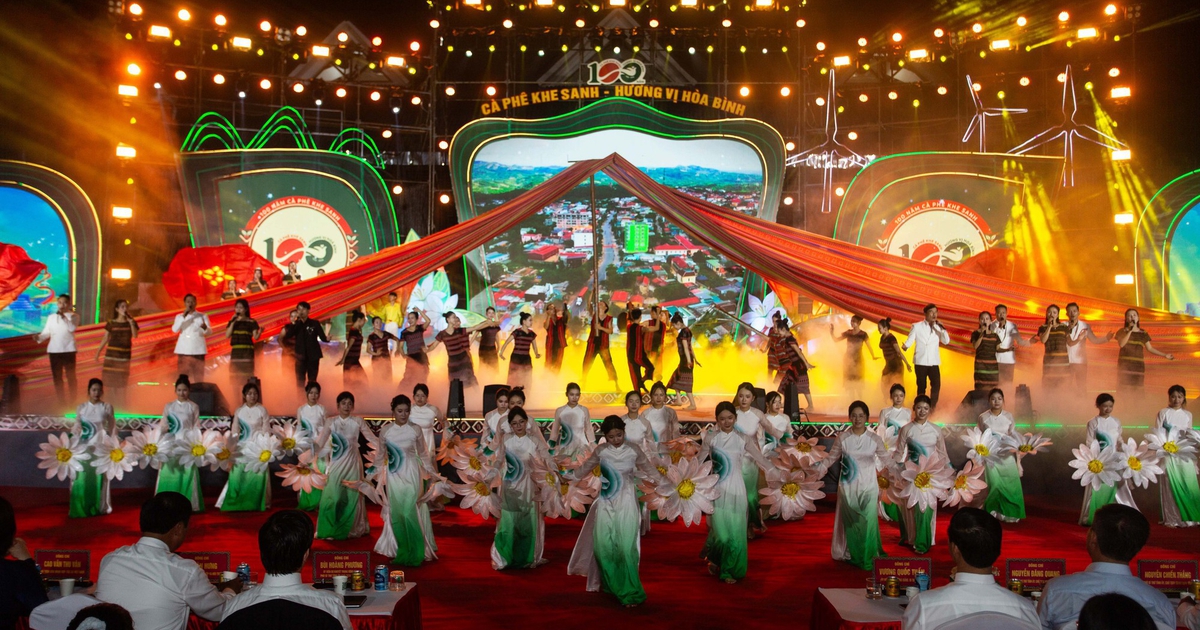
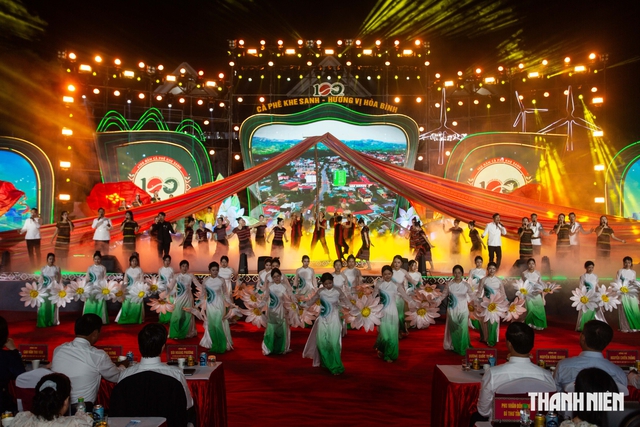
The ceremony transitioned into a sophisticated art and cultural program titled "Khe Sanh Coffee – Heading Toward Peace." The performance utilized light, sound, and traditional artistic expression to retrace the history of the region. The narrative arc was clear: moving from the dark days of bombardment to the emergence of the coffee industry as a beacon of economic recovery and peace.
The evening concluded with a 15-minute low-altitude fireworks display, illuminating the night sky over the highlands. For the thousands of residents and tourists in attendance, the juxtaposition of the fireworks and the aroma of freshly brewed local coffee served as a powerful symbol of a region that has successfully transitioned from a symbol of destruction to a symbol of vitality.
Implications and Future Outlook
The 100-year anniversary of Khe Sanh coffee serves as a microcosm for the broader developmental trajectory of Vietnam’s rural highlands. The success of this industry provides several critical lessons:
- Sustainable Rebranding: By leveraging a negative historical association and pivoting toward a high-value, peaceful industry, Quang Tri has successfully created a unique selling proposition for its agricultural products.
- Specialization as Strategy: The move toward specialty-grade coffee has shielded local farmers from the volatility of the global raw-commodity market, ensuring more stable incomes.
- Diplomacy through Trade: The festival demonstrates how local agricultural products can serve as conduits for international soft power, inviting global investment and tourism through cultural narratives.
As Khe Sanh enters its second century of coffee production, the focus remains on technological integration—such as smart irrigation and traceability software—to maintain the competitive edge of its Arabica beans. The provincial government’s commitment, as demonstrated during the October 24th event, indicates that the coffee industry will remain central to the region’s long-term socioeconomic planning, reinforcing the message that the true legacy of the land is found not in the conflicts of the past, but in the growth and prosperity of the future.
The "Following the Footsteps of 100 Years of Khe Sanh Coffee" program is scheduled to continue with a series of technical workshops, coffee cupping sessions, and trade exhibitions, further cementing the region’s status on the world coffee map. As visitors departed the cultural house, the lingering scent of coffee was a fitting tribute to a century defined by resilience, innovation, and an unwavering commitment to a peaceful future.