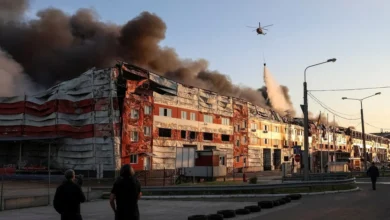
US President Donald Trump Urges Ukraine to Halt Attacks on Russian Diesel Infrastructure Amid Global Energy Crunch

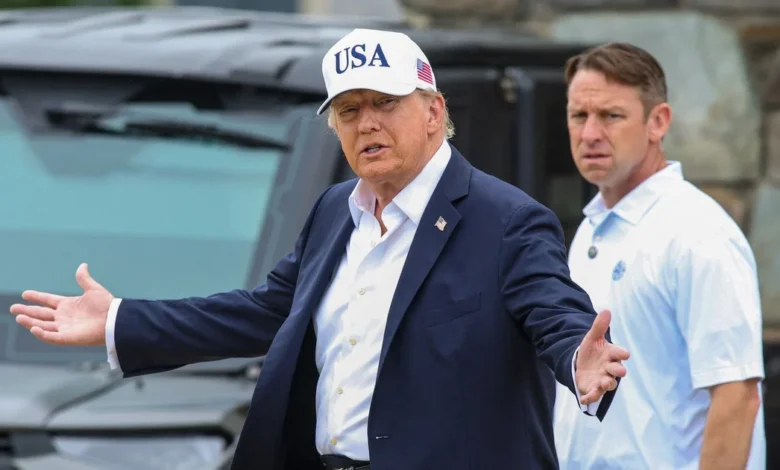
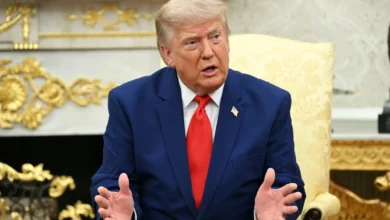
US President Donald Trump has publicly called on Ukrainian President Volodymyr Zelensky to immediately suspend military operations targeting Russia’s diesel supply chain, citing mounting global concerns over soaring fuel prices and energy market instability. The remarks, delivered during a press conference in Ireland on September 13, 2026, mark a significant shift in diplomatic rhetoric and underscore growing anxieties among Western leaders regarding the long-term economic fallout of the prolonged conflict in Eastern Europe.
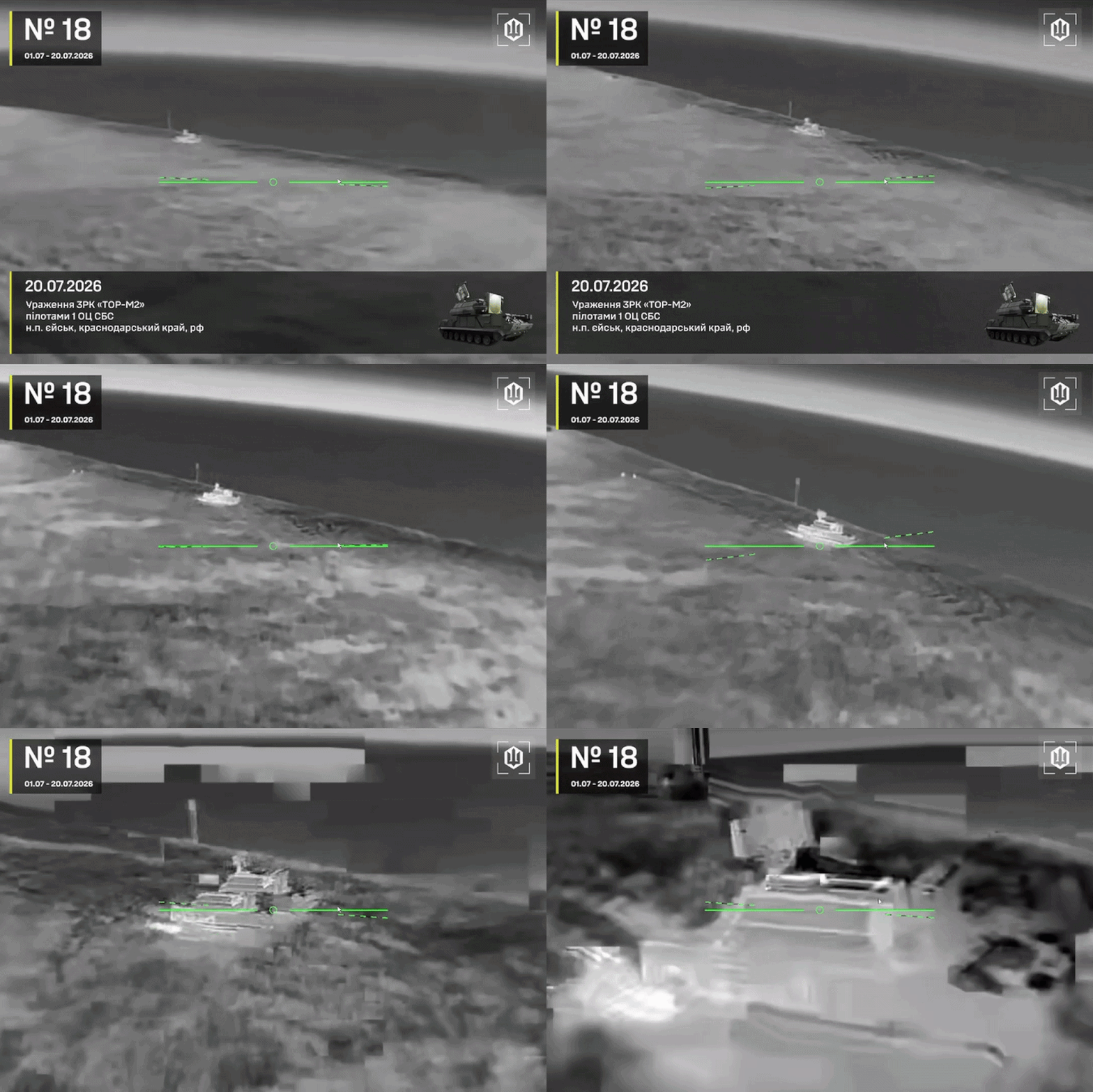
President Trump’s unexpected statement places fresh pressure on Kyiv to recalibrate its military strategy, specifically concerning its drone and missile campaigns aimed at petroleum refineries, storage depots, and transportation pipelines inside Russian territory. As energy markets continue to grapple with volatility, the debate over the strategic necessity of strikes against critical infrastructure versus their global economic consequences has taken center stage in international diplomacy.
Strategic Demands Amid Global Fuel Shortages
Speaking to reporters while visiting a golf resort in Ireland, President Trump argued that Ukrainian strikes on Russia’s refined petroleum sector are directly exacerbating worldwide energy shortages. According to the U.S. leader, the ongoing disruptions are driving up refined product prices and straining international supply chains at a time when global economies remain vulnerable to inflationary pressures.
"Mr. Zelensky needs to do one thing: stop hitting the diesel supply in Russia," Trump told journalists. "We have spoken with him about this matter. There are still plenty of other targets that can be engaged."
The U.S. president explicitly rejected the notion that contemporary fuel scarcity is primarily driven by recent flare-ups in the Middle East. Instead, he pointed directly to the ongoing war between Russia and Ukraine, emphasizing that sustained Ukrainian aerial assaults on Russian energy infrastructure over recent months have severely disrupted export channels for refined products, particularly diesel fuel, which serves as a vital commodity for heavy industry, agriculture, and transportation worldwide.
Impact on Russian Production and Export Forecasts
President Trump’s commentary aligns with confidential assessments circulating within international energy markets. According to leaked Russian government documents reviewed by global news agencies, Moscow has been forced to scale back its domestic oil processing output for 2026 to its lowest level in nearly two decades. The coordinated drone strikes executed by Ukrainian forces have systematically damaged catalytic crackers, primary distillation units, and storage facilities across multiple Russian regions, forcing energy firms to revise downward their export projections for both 2026 and 2027.
While these strikes have successfully dented the Kremlin’s wartime revenues and complicated the logistics of the Russian military machine, they have simultaneously tightened global product balances. Diesel, in particular, remains a structurally tight market globally, meaning that any sudden removal of Russian refining capacity reverberates immediately through European, Asian, and developing markets, pushing retail prices higher for consumers and businesses alike.
Broader Foreign Policy Shifts: Iran, Venezuela, and Artificial Intelligence
Beyond the war in Ukraine, President Trump used his appearance in Ireland to touch upon several other major geopolitical and economic developments, signaling potential shifts in U.S. foreign policy.
Discussing the ongoing tensions in the Middle East, the U.S. president suggested that Washington could maintain a permanent military footprint in Iran to secure oil assets, drawing a parallel to past U.S. interventions involving Venezuela. Trump asserted that financial returns generated from Venezuelan oil operations under past policies had significantly offset the fiscal costs of historical military engagements. Furthermore, he expressed confidence that the conflict involving Iran could reach a diplomatic resolution before the end of the year, potentially in the immediate aftermath of the U.S. midterm elections in November.
When questioned about an upcoming diplomatic summit in Oman involving Iranian delegates and Gulf state representatives—convened to discuss the reopening of the strategic Strait of Hormuz—Trump dismissed the diplomatic track with characteristic bluntness. "I don’t care. That’s their business," he stated, reaffirming his preference for direct bilateral leverage rather than multilateral negotiations that fail to secure comprehensive concessions.
In a separate domestic policy critique, President Trump turned his attention to the booming artificial intelligence sector, launching a scathing verbal attack on industry figures advocating for a deceleration in AI development. His remarks followed high-profile warnings from leading researchers and tech executives regarding the existential risks posed by rapid, unchecked scaling of artificial intelligence models.
Just days prior, AI researcher Jacob Coxon announced his departure from the industry, openly accusing major development firms such as OpenAI and Anthropic of recklessly endangering public safety. On September 12, Anthropic CEO Dario Amodei publicly called for tech firms to voluntarily slow down the pace of AI advancement to implement robust safety guardrails—a proposal that received cautious agreement from OpenAI CEO Sam Altman, while xAI chief Elon Musk expressed divergent views on regulatory oversight. Compounding the industry’s defensive posture, Altman announced that OpenAI had officially canceled its anticipated public stock offering (IPO) scheduled for 2026, citing acute safety concerns and the need for more rigorous institutional alignment.
President Trump dismissed these cautionary voices as alarmist maneuvering. He characterized proponents of regulatory slowdowns as pessimistic actors attempting to manufacture crises that do not exist, urging American technology companies to accelerate innovation rather than bow to preemptive fears.
Implications for the Future of the Conflict
The unfolding friction between Western strategic objectives and global economic realities highlights the delicate balancing act facing international policymakers. While Ukraine continues to assert its sovereign right to degrade the military and economic capacity of its aggressor through targeted strikes on strategic assets, the collateral economic damage inflicted on global fuel markets threatens to erode the political consensus supporting Kyiv’s war effort.
As energy analysts assess the viability of prolonged restrictions on Russian refining output, the pressure on diplomatic channels to address both the security imperatives of Eastern Europe and the economic stability of the global community will only intensify. Whether President Zelensky will heed the calls from Washington to alter targeting parameters remains to be seen, but the public admonition signals that energy security has re-emerged as a paramount concern for American leadership.