Kieu Chinh and the Enduring Legacy of the Vietnamese Grandmother in the Film Mai No Mot Loi Tam Biet

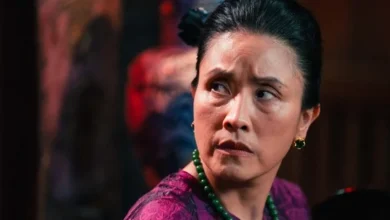
The cinematic landscape recently welcomed a poignant exploration of memory, sacrifice, and the unspoken bonds of family with the release of the film Mai No Mot Loi Tam Biet. At the heart of this narrative is the performance of the legendary actress Kieu Chinh, whose portrayal of "Bà Nội Hoàng" (Grandmother Hoang) has resonated deeply with audiences globally. The film, directed by J. Robert Schulz, serves as both a personal memoir of the protagonist, Sir Daniel K. Winn, and a universal tribute to the archetype of the Vietnamese grandmother—a figure defined by quiet resilience, boundless love, and the preservation of family heritage across generations.
A Cinematic Portrait of Cultural Identity and Memory
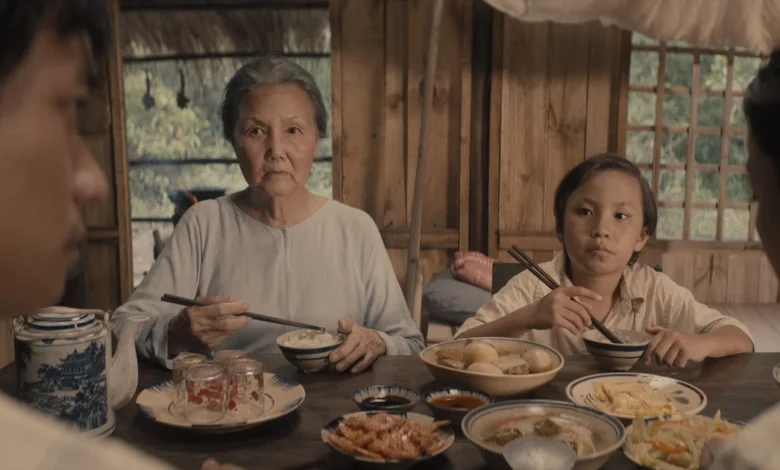
The film centers on the early life of Daniel K. Winn, specifically focusing on the formative years spent under the care of his grandmother. Through the lens of Kieu Chinh’s seasoned acting, the character of Bà Nội Hoàng transcends the screen, transforming into a living embodiment of traditional Vietnamese maternal wisdom. Unlike many contemporary films that rely on explosive drama or high-octane plot twists to engage the audience, Mai No Mot Loi Tam Biet opts for a slower, more meditative pace. It prioritizes the "small moments" of human existence: the preparation of a meal, the rhythmic silence of a shared household, and the subtle gestures of care that define the bond between an elder and a child.
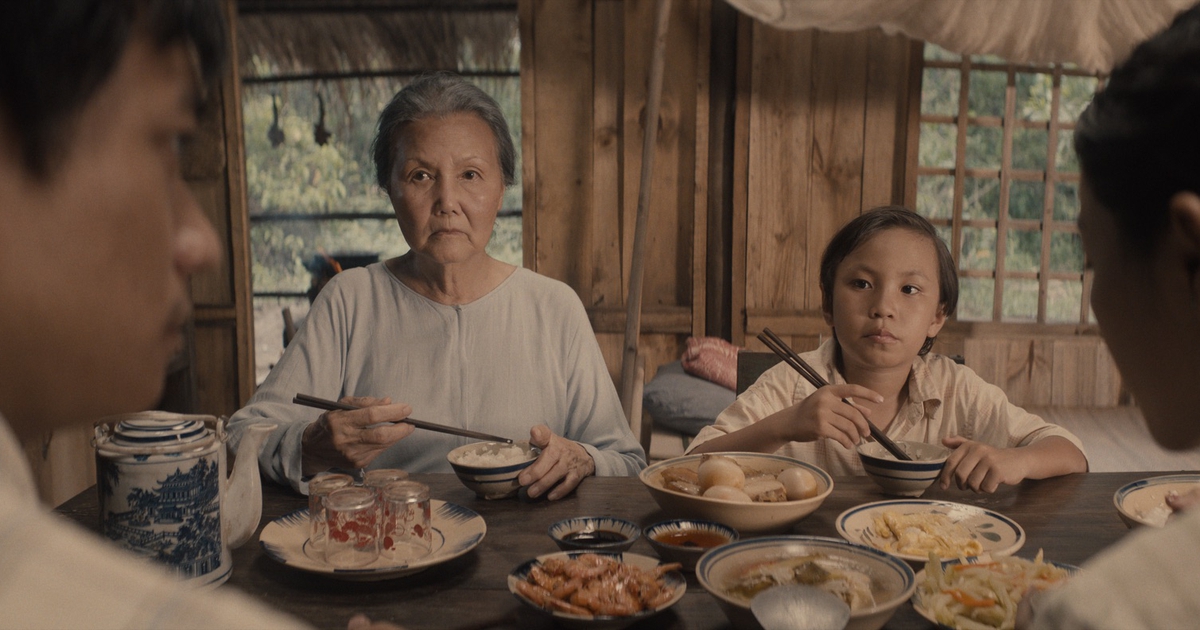
Kieu Chinh’s performance is characterized by an acute attention to detail. Her use of eye contact, deliberate physical movements, and her interactions with the young actor playing the role of Cu Den (the child version of Daniel) create a sense of profound authenticity. She does not play the grandmother as a static figure; rather, she portrays a woman who carries the weight of past separations while remaining fiercely dedicated to securing a brighter future for her grandson.
The Symbolic Power of the Grandmother Archetype
In Vietnamese culture, the figure of the grandmother occupies a unique position. She is often the keeper of tradition, the mediator in domestic conflicts, and the primary source of emotional stability during times of national or personal upheaval. In Mai No Mot Loi Tam Biet, this role is further elevated. The film highlights the sacrifices made by the older generation to provide for the youth.
A pivotal scene involves the grandmother selling a precious heirloom watch—a remnant of her late husband—to purchase a bicycle, notebooks, and pens for Cu Den. This act is not merely a financial transaction; it is a profound symbolic gesture. It represents the prioritization of the next generation’s future over the sentimental relics of the past. By doing so, the grandmother imparts a silent lesson: the importance of education and the pursuit of progress. This narrative choice highlights a common thread in the immigrant and post-war experience, where survival and growth are often predicated on the selfless divestment of one’s own comfort and possessions.

Narrative Structure and Directional Intent
Director J. Robert Schulz employs a narrative style that bridges the gap between individual biography and collective memory. By basing the film on the life of Sir Daniel K. Winn, the production anchors its emotional stakes in historical reality. However, by universalizing the grandmother-grandson relationship, the film invites viewers from diverse backgrounds to project their own experiences onto the screen.
The film’s pacing is intentional. It avoids the temptation to over-explain the grandmother’s internal life through exposition. Instead, the audience is encouraged to observe her actions. When Cu Den expresses a desire for freedom, likening himself to a butterfly, the grandmother’s response—"Con bay đi" (You go ahead and fly)—is a testament to the ultimate form of love: the willingness to let go. This moment serves as the film’s emotional climax, highlighting that true parental or grand-parental love is not about possession, but about facilitating the autonomy of the child.
Supporting Context: The Impact of Transgenerational Storytelling
The success of Kieu Chinh in this role is not an isolated instance of talent, but rather a reflection of a lifelong dedication to the craft. Having lived through the significant shifts in Vietnamese history, Kieu Chinh brings a depth of experience that is difficult to replicate. Her presence in the film provides a necessary bridge between the traditional values of the pre-war era and the modern challenges faced by the youth.

Analysis of current cinematic trends suggests that audiences are increasingly seeking stories that emphasize emotional connectivity over spectacle. Films that focus on family dynamics and historical memory, such as Mai No Mot Loi Tam Biet, have found a receptive audience among both the Vietnamese diaspora and international viewers. This shift is reflective of a global interest in heritage-based storytelling, where the specificities of one culture provide a framework for understanding the universal human condition.
Audience Reception and Emotional Resonance
Early screenings of the film have indicated a strong emotional impact on viewers. Many audience members have reported that the film acts as a catalyst for reflection on their own relationships with their elders. By focusing on the shared meals, the quiet guidance, and the inevitable parting of ways, the film touches upon the "invisible" labor that grandmothers perform in the domestic sphere.
The chemistry between Kieu Chinh and the actors portraying the child and adult versions of the protagonist is vital to this resonance. As the film progresses from the innocence of childhood to the complexities of adulthood, the continuity of the grandmother’s influence is maintained through the emotional markers she established early on. The film successfully posits that while time may alter a person’s circumstances, the foundational impressions formed in youth remain constant.

Broader Implications and Legacy
The significance of Mai No Mot Loi Tam Biet extends beyond its entertainment value. It serves as a historical document of a specific kind of Vietnamese resilience—one that is quiet, enduring, and deeply rooted in the family unit. In a time when many traditional structures are being challenged by rapid globalization, the film serves as a reminder of the foundational values that continue to shape the identity of the Vietnamese people.
Furthermore, the film contributes to the growing body of literature and media that chronicles the Vietnamese experience, ensuring that the stories of the older generation are preserved for posterity. By highlighting the role of the grandmother, the film honors a demographic that is often overlooked in historical accounts of conflict and migration, yet remains the primary architect of the family’s survival and success.
Conclusion
Mai No Mot Loi Tam Biet is a testament to the power of nuanced performance and thoughtful direction. Through Kieu Chinh’s masterful portrayal of Bà Nội Hoàng, the film manages to capture the essence of a generation that defined itself by sacrifice and silent love. As audiences continue to engage with the film, it is likely to remain a touchstone for discussions regarding cultural identity, the importance of family memory, and the enduring legacy of those who guide us through our formative years. By refusing to succumb to melodrama and instead focusing on the profound beauty of the ordinary, the film has secured its place as a significant work in contemporary cinema, offering a mirror in which many can see their own histories reflected.