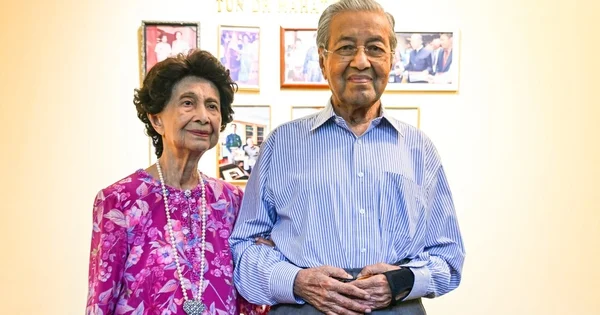
The passing of Dr. Siti Hasmah, a pioneer in the medical field and a figure of immense national respect, was confirmed on September 28, 2026, at the National Heart Institute (IJN) in Kuala Lumpur. Her death comes just under two months after she and her husband celebrated their platinum wedding anniversary, a milestone that highlighted their enduring partnership of seven decades.
A Life of Service and Pioneering Medicine
Born on July 12, 1926, in Klang, Selangor, Siti Hasmah Mohamad Ali was a trailblazer long before she became the nation’s first lady. At a time when educational opportunities for women in Malaya were limited, she pursued a career in medicine, graduating from the King Edward VII College of Medicine—the precursor to the Yong Loo Lin School of Medicine at the National University of Singapore—in 1955.
Her graduation marked her as one of the very first Malay women to qualify as a medical doctor in the country. This professional foundation would later define much of her public service, as she consistently leveraged her background in healthcare to advocate for maternal health, family planning, and drug abuse prevention programs throughout Malaysia. Her tenure as the wife of the Prime Minister, spanning two separate periods of Dr. Mahathir’s leadership, was characterized by a quiet, steady influence that focused on social welfare rather than partisan politics.
Chronology of a Storied Partnership
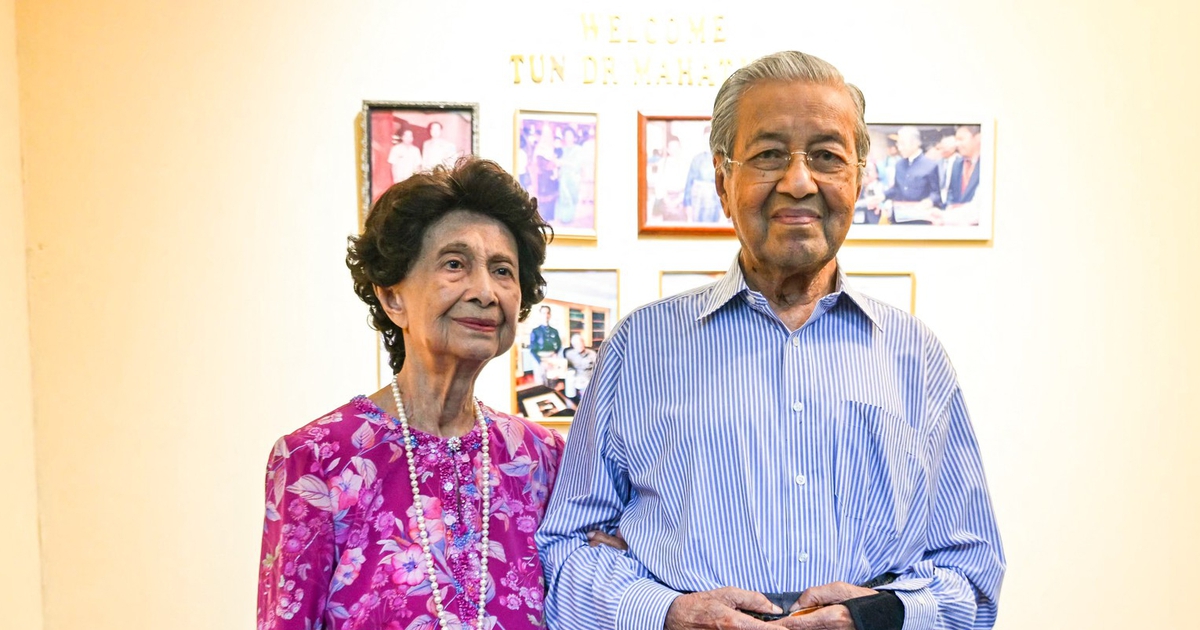
The relationship between Mahathir Mohamad and Siti Hasmah is frequently cited as the bedrock of the former Prime Minister’s long and turbulent political career. Their timeline is deeply intertwined with the development of modern Malaysia:
- 1955: Dr. Siti Hasmah graduates from the King Edward VII College of Medicine.
- 1956: Siti Hasmah and Mahathir Mohamad are married, beginning a partnership that would last 70 years.
- 1981–2003: The couple serves their first long tenure at the center of Malaysian politics as Mahathir leads the nation during a period of rapid industrialization.
- 2018–2020: Dr. Mahathir returns as the seventh Prime Minister at the age of 92, with Dr. Siti Hasmah once again providing a stabilizing presence in the public eye.
- August 5, 2026: The couple celebrates their 70th wedding anniversary (platinum anniversary), an event widely covered as a testament to their longevity and mutual support.
- September 28, 2026: Dr. Siti Hasmah passes away at the National Heart Institute, Kuala Lumpur, at the age of 100.
Official Responses and National Mourning
The death of Dr. Siti Hasmah has elicited a profound response from across the political spectrum, reflecting the high esteem in which she was held by friends and political rivals alike.
The King of Malaysia, Sultan Ibrahim Sultan Iskandar, and Queen Raja Zarith Sofiah were among the first to express their condolences. In a statement released via social media, the Palace extended their deepest sympathies to the family, offering prayers for strength and fortitude during this period of grief. "The King and Queen hope that the family of the deceased will be granted strength and patience to overcome the pain of losing a loved one," the statement read.
Current Prime Minister Anwar Ibrahim expressed his personal sorrow, urging those attending scheduled state events to join in a collective prayer for the departed. In a formal statement, the Prime Minister announced that a state-level funeral would be conducted to honor her contributions to the nation. Dr. Siti Hasmah was laid to rest at the national cemetery in Putrajaya at 4:30 PM on the day of her passing.

Dr. Wan Azizah Wan Ismail, the wife of the current Prime Minister, shared a poignant tribute to her predecessor. Describing Dr. Siti Hasmah as a woman of immense poise and intellectual depth, she noted, "To me, she was not just a figure of great respect. She taught me how to carry myself with grace and dignity. Her sharp intellect, combined with her innate kindness and gentle demeanor, made her an incredibly admirable person. Her legacy is not just in the policies she supported, but in the standard of conduct she set for all of us."
Implications and Historical Context
The passing of Dr. Siti Hasmah marks a symbolic closing of a chapter in Malaysian history. As the wife of the longest-serving Prime Minister in the nation’s history, she was a constant witness to, and often a participant in, the pivotal shifts that shaped the country.
From a sociological perspective, Dr. Siti Hasmah represented a generation of post-colonial leaders who prioritized nation-building through social development. Her focus on health education helped modernize rural Malaysian communities, and her presence provided a humanizing element to the often-combative nature of Malaysian politics.
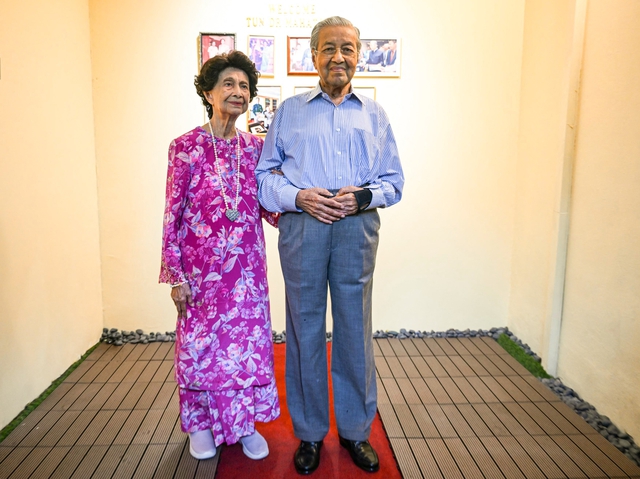
Analysts suggest that her death will leave a significant void for Tun Dr. Mahathir, who at 101 years of age, has relied on her partnership for the majority of his life. The public display of grief from political leaders who have, at various points, been at odds with Dr. Mahathir serves as a rare moment of unity in the country, underscoring the universal respect accorded to Dr. Siti Hasmah.
A Lasting Legacy
The funeral proceedings, marked by a solemnity befitting her status, reflected her lifetime of service. By choosing to bury her at the national cemetery in Putrajaya, the government recognized her role as more than just a political spouse, but as a public servant who influenced the trajectory of the nation.
For many Malaysians, she remains a symbol of resilience and elegance. Her transition from a medical practitioner in the 1950s to a national matriarch in the 2020s spans the entirety of modern Malaysia’s development. She leaves behind seven children, including Mukhriz Mahathir, who continues to be involved in the nation’s political landscape.
As the nation mourns, the focus remains on the quiet, dignified life she led. In a political environment often defined by noise and division, Dr. Siti Hasmah’s career was defined by consistency, health advocacy, and an unwavering commitment to the stability of her family and her country. Her absence will be felt not only by her immediate family but by the generations of Malaysians who grew up viewing her as a steady, guiding hand in the background of their nation’s evolving story. The legacy of her work in the medical field and her role in public life will undoubtedly be the subject of historical study for years to come, as scholars look to understand the role of the spouse in the development of modern Southeast Asian leadership.
Related posts: