Can Tho Oncology Hospital Construction Faces Persistent Delays Despite Mobilizing Hundreds of Workers Daily

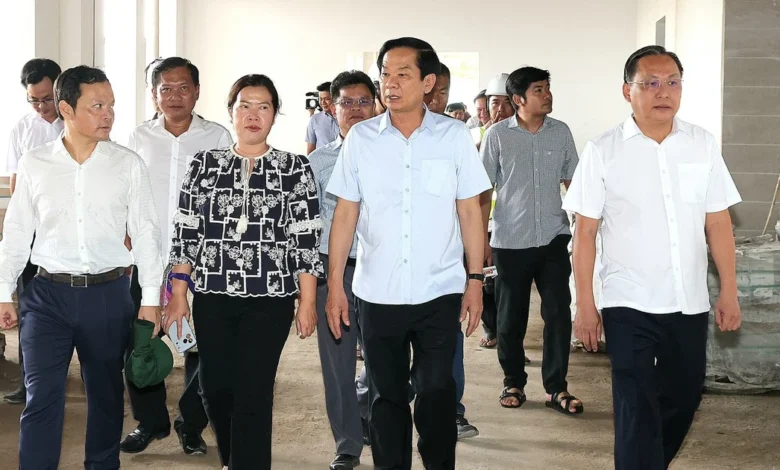
Construction progress at the long-awaited Can Tho Oncology Hospital project continues to lag behind schedule across multiple structural fronts, raising growing concerns among local authorities and residents alike, despite the daily presence of roughly 400 construction workers on-site.
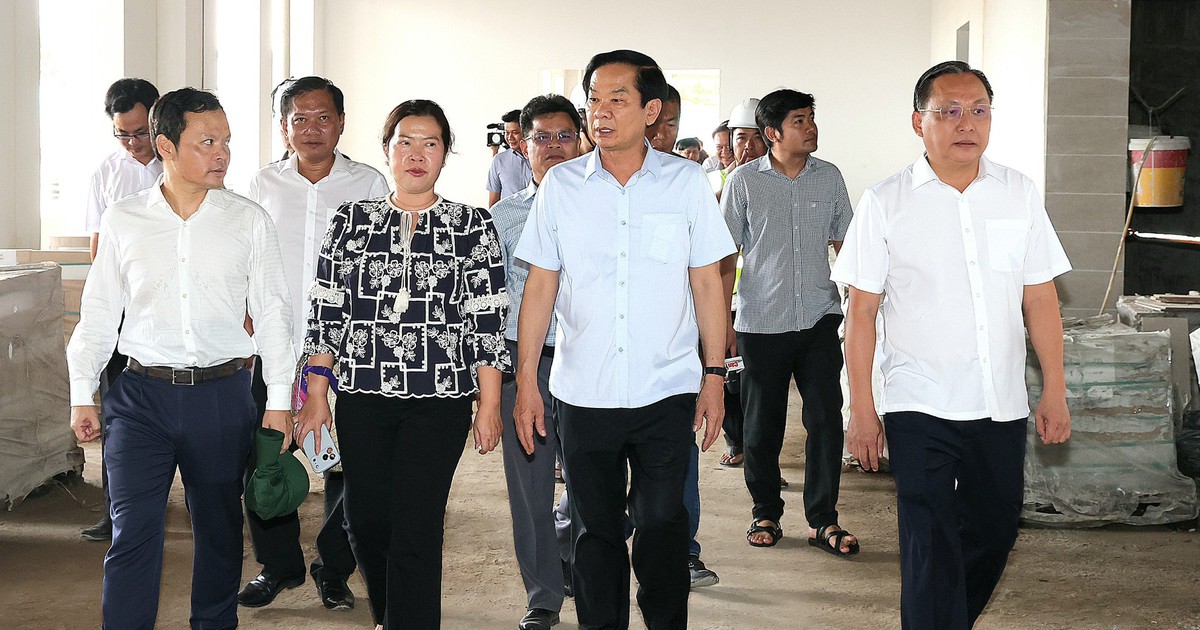
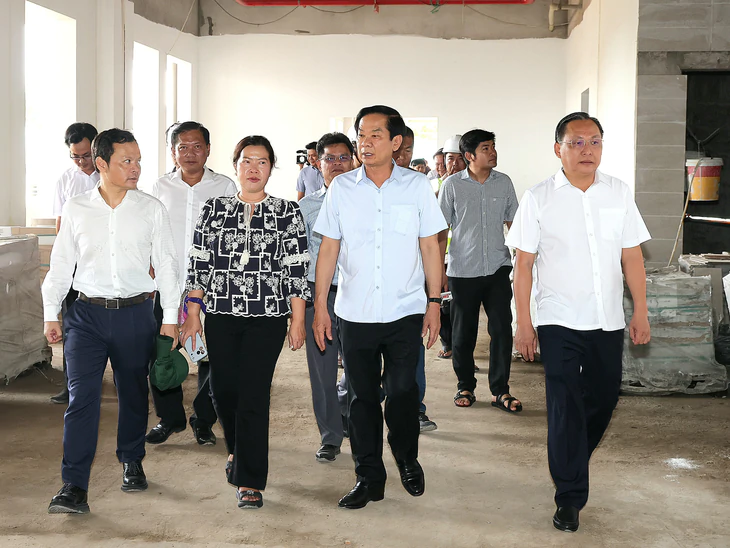
The situation came to light during an official field inspection conducted on October 25 by Mr. Dinh Thanh Binh, Secretary of the Can Tho City Party Committee, alongside a high-ranking delegation of municipal officials. The leadership team visited the major healthcare infrastructure project located in An Binh Ward to evaluate the current state of construction, identify persisting bottlenecks, and demand accountability from the contractors involved in executing the critical regional medical facility.
Project Overview and Financial Scaling
Originally conceived to address the severe shortage of specialized cancer treatment facilities in the Mekong Delta region, the Can Tho Oncology Hospital is designed as a state-of-the-art, 500-bed institution intended to alleviate the immense patient burden carried by existing southern hospitals. However, the path to its completion has been fraught with prolonged administrative, financial, and logistical hurdles.
The ambitious healthcare initiative carries a total investment capital of over VND 2.071 trillion (approximately $82 million USD) following multiple adjustments to its initial budget and scope. The implementation timeline spans more than a decade, officially running from 2015 through 2026. Delays have accumulated steadily over the years, transforming what should have been a timely public health asset into a protracted infrastructure challenge.
Current Implementation Status and Contractor Performance
According to comprehensive progress reports submitted by the Can Tho Department of Health, the project is executed through an EPC (Engineering, Procurement, and Construction) joint venture comprising domestic and international partners, specifically pairing VMD Kórházi Technológiai Zrt with the Bach Dang Construction Corporation.
While certain aspects of the project have advanced satisfactorily, significant disparities remain among different work packages. Procurement activities managed by the joint venture have achieved notable milestones, with the ordering and manufacturing of specialized medical equipment reported at an advanced 97.9% completion rate. This indicates that a substantial portion of the high-value diagnostic and therapeutic machinery required for modern oncology care has already been secured or manufactured.
Conversely, the civil construction and structural integration packages—primarily overseen by the Bach Dang Construction Corporation under the EPC consortium—are severely underperforming. Department of Health evaluations reveal that general construction work stands at roughly 80% completion, but vital mechanical, electrical, and finishing systems are lagging dangerously behind.
Data provided during the municipal inspection highlights the following completion metrics across various technical components:
- Electrical Infrastructure: Approximately 52% complete.
- Interior Wall Plastering: Approximately 56% complete.
- Floor Tiling across Building Blocks: Approximately 75% complete.
- Infrastructure and External Works: Approximately 23% complete.
- Air Conditioning and Climate Control Systems: Approximately 22% complete.
- Fire Prevention and Suppression Systems: A critically low 21% complete.
Local health authorities have explicitly stated that the overall workload executed by the contractor consortium falls well short of the benchmarks required to meet the 2026 completion deadline. Despite an average daily workforce of 400 laborers deployed across the sprawling site, officials emphasize that this manpower level is entirely inadequate for the scale of remaining tasks. The main contractor has repeatedly failed to scale up its workforce, accelerate operational shifts, or expedite the delivery of essential building materials and technical fixtures.
Administrative Interventions and Daily Oversight
Faced with mounting delays and sluggish progress on the ground, the Can Tho Department of Health has transitioned to a stringent oversight model to exert maximum pressure on the lagging contractors. Department leadership has instituted mandatory daily operational briefings involving all relevant stakeholders, project managers, and contractor representatives.
Furthermore, regulatory mechanisms have been enforced to document non-compliance officially. The department has established a protocol of issuing formal written warnings and administrative minutes whenever the contractor fails to meet agreed-upon labor deployment schedules or falls further behind critical path milestones. These measures are designed to create a legally binding paper trail, establishing clear accountability should more drastic punitive actions, such as contract restructuring or financial penalties, become necessary.
Leadership Directives and Future Implications
During his on-site inspection of the sprawling medical complex, Party Secretary Dinh Thanh Binh expressed deep concern over the persistent slowdowns. He emphasized that the Can Tho Oncology Hospital is not merely a standard public works project, but a vital humanitarian and social welfare infrastructure intended to serve millions of citizens across the Mekong Delta who currently must travel long distances to Ho Chi Minh City for specialized cancer treatment.
Mr. Binh strongly urged the contractor consortium to foster a more cooperative and transparent working relationship with the Department of Health. He called for immediate corrective actions, including the implementation of multi-shift working models—such as working through the night and maximizing productivity during favorable weather conditions—to recover lost time. The municipal leadership reiterated that the project must be finished ahead of or strictly by its 2026 deadline, aligning with overarching directives issued by the Government and the municipal administration.
The successful completion of the Can Tho Oncology Hospital remains a top priority for local authorities aiming to upgrade regional healthcare capacities. As daily monitoring intensifies and political pressure mounts, the coming months will prove decisive in determining whether the contractor consortium can successfully mobilize the necessary resources to overcome structural bottlenecks and finally deliver this much-needed medical facility to the public.